BSCF 19th Vaisakhi at Westminster 2026
State Room, Speaker’s House, House of Commons, London SW1A 0AA
Tuesday 21st April 2026
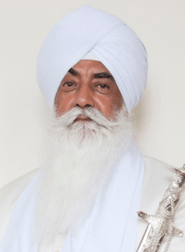
Keynote address of Bhai Sahib, Prof. Mohinder Singh Ahluwalia OBE KSG
Speech theme: Health Inequalities
Distinguished guests, brothers and sisters – please accept the Sikh salutation:
Waheguru Ji Ka Khalsa, Waheguru Ji Ki Fateh
A very happy Vaisakhi to all.
For Punjabis of all faiths, Vaisakhi is a joyous cultural and agricultural festival – a thanksgiving for the spring harvest that was celebrated for centuries. As Sikh farmers took stock and planned ahead, they sought blessings for future prosperity, ready to infuse their hard toil with spiritual reverence and hope. I quote from our sacred scripture and eternal Guru, Guru Granth Sahib Ji: ‘Vaisakh dheeran kiou vaadeeaa, jinaa prem bichhoh’ – Even in this joyous month, peace can be found, if one is connected with the Creator.
For Sikhs, Vaisakhi marks the founding of the Khalsa in 1699. Since the birth of Guru Nanak Dev Ji in 1469, the Sikh Gurus had been cultivating the teachings, practices and institutions of the Sikh Dharam. Through exemplary service and sacrifice, they also modelled faith as a lifelong practice. Through the Khalsa initiation, Guru Gobind Singh Ji exalted the disciples, by forming a new collective Sikh Panth of committed faith practitioners. This radiated the Guru’s vision of human equality, integrity and dignity, based on recognising the Oneness of God and all creation. It also recognised that our life on this planet is actually a preparation for the afterlife.
This spirit of equality was exemplified in the Panj Pyare, the first five initiates of the Khalsa. Coming from diverse regions and occupations, they were raised to an equally exalted dignity, challenging entrenched caste and status hierarchies. Their names evoked virtues that all people can emulate, i.e. Daya – compassion, Dharam – virtuous living and righteous, responsible conduct, Himmat – courage, Mohkam – steadfast detachment, and finally Sahib – leadership and self-mastery.
When such virtues reign abundantly in one’s mind, it gets liberated from ego’s stronghold, leading one to find inner dignity and sovereignty. The names Singh and Kaur, which Sikh males and females are blessed with, affirm the capacity for wise leadership within every individual, irrespective of social status or background. Similarly, the articles of faith (Panj Kakkar and Dastar) are not mere symbols but practical reminders of spiritual and civic responsibility – where good governance begins with good self-governance in the mind.
More than a ceremony, the amrit sanchar initiation, is a catalyst for deep personal transformation. It blesses each initiate with Naam in the form of two mantars – the Mool Mantar (the opening teaching of the Guru Granth Sahib Ji, the Sikh sacred scripture) and the Gurmantar – Waheguru. This powerful daily practice aligns our awareness to Naam, understood asthe unseen Divine power that pervades, sustains and connects all creation – reminding us also that our physical, mental, social and spiritual wellbeing are inseparable.
As we commemorate the creation of the Khalsa, we are reminded that ours is an enduring mission, to realise human dignity through self-reliance, justice, service with love, and seeking collective welfare. True progress is both economic and technological but measured through seeking effective flourishing of all. To tackle inequality, policies should call for the transformation of the status quo through embedding values which will help shape and strengthen our relationships and social structures.
Regarding persistent and deepening health inequalities in Birmingham, the Nishkam Healthcare Trust combines medical professionalism with a spirit of sewa or selfless service to develop integrated and holistic health provision for the superdiverse, inner-city neighbourhood (where over 170 languages spoken), placing virtue-centred care at the heart of wellbeing.
In Handsworth, disparities are among the most severe nationwide, with high deprivation, limited access to primary care, and reduced life expectancy. The healthcare trust thus demonstrates how faith-based organisations can help transform communities through preventative integrated care that sees core virtues as foundations for personal and communal health. Compassion reduces loneliness and supports mental health; humility builds trust; service strengthens social bonds. Only with these values, can institutions sustain true wellbeing.
The Nishkam Healthcare Trust, a recent recipient of the King’s Award for Voluntary Services, conducts regular health education events and screening programmes, including Macmillan cancer screening, start-of-life and family support services, mental health counselling, and vaccine delivery through its two Nishkam Pharmacies. To date, these have administered over 50,000 COVID-19 vaccinations to underserved groups. With improved early detection and support for vulnerable families, there have been some clear gains in community wellbeing. However, ongoing challenges include limited NHS commissioning support, short-term funding cycles, and weak government engagement with grassroots providers.
Looking ahead, priorities must include expanding diagnostic and preventative services, securing a GP contract to develop an accessible local surgery, strengthening mental health and family support capacity and advancing an ethos of holistic, integrated care. Long-term success requires urgent wider systemic change. By working more collaboratively with community and faith-based organisations, government and its health authorities can deepen their social reach. Lasting impact very much depends on the acknowledgment of dire inequalities, sustained funding, equitable resource distribution, and authentic partnerships built on mutual respect.
As we celebrate Vaisakhi, may the Khalsa ideals remind us that in serving others, we honour the Divine within creation. In upholding equality, we manifest the Guru’s vision of justice and dignity for all. May this reinforce our resolve to continue challenging injustice and inequality wherever it exists, building a cohesive society where all, regardless of background or circumstance, have equal opportunity to live with good health, dignity, and hope.
May we continue to transform faith into active love and service, in the spirit of oneness, shared flourishing, together with ever-ascending optimism and hope.
Thank you
Bhai Sahib (Prof) Mohinder Singh Ahluwalia OBE KSG