Gaborone, Botswana – 8 August 2025:
In a landmark moment for values-led leadership and international peacebuilding, the Peace Charter for Forgiveness and Reconciliation was officially adopted by the Parliament of Botswana on Thursday 7 August 2025. The signing ceremony, held in Gaborone, was witnessed by Members of Parliament from both the ruling and opposition parties, including the Vice President, Hon. Ndaba Nkosinathi Gaolathe, and the Speaker of the National Assembly, Hon. Dithapelo L. Keorapetse.
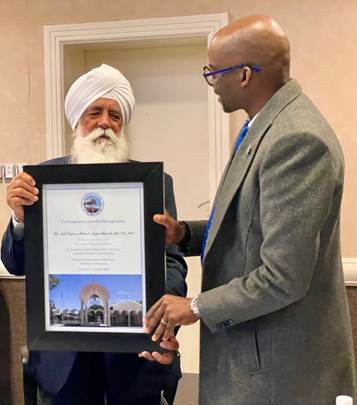
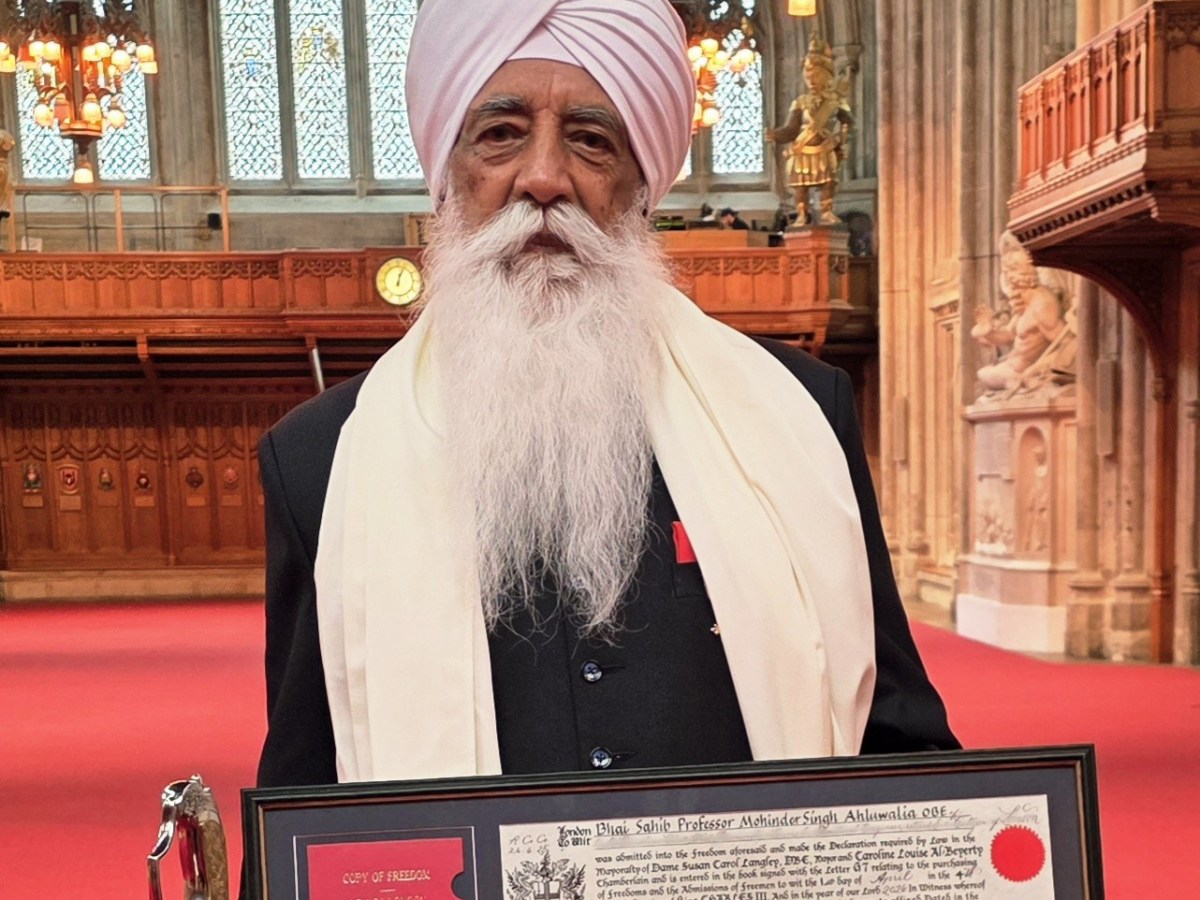
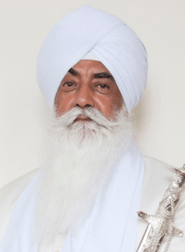
The Charter was formally presented by Bhai Sahib Professor Mohinder Singh Ahluwalia OBE, KSG, MGH, Spiritual Leader and Chairman of Guru Nanak Nishkam Sewak Jatha (GNNSJ), United Kingdom. In recognition of his extraordinary lifelong contributions to interfaith dialogue, education, and global peacebuilding, Bhai Sahib Ji was presented with the prestigious Botswana Parliamentary Award of Recognition by the Speaker.
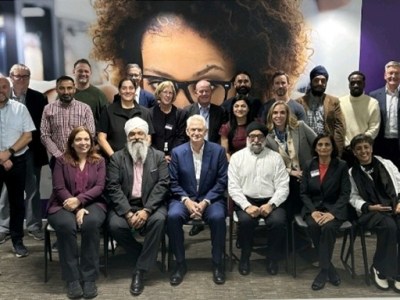
The adoption followed a high-level courtesy visit on Wednesday 6 August, when the GNNSJ delegation met with the Speaker at Parliament. Discussions focused on the urgent need for values-led education, the power of forgiveness in reconciliation processes, and the significance of embedding spiritual principles within national leadership. The Speaker affirmed the timeliness of the visit:
“The delegation’s visit is timely, as Botswana recognises the importance of religious and spiritual teachings in instilling peace, forgiveness, and reconciliation among national leaders, who can then share those values with their communities.”
On Thursday, during the official presentation, Bhai Sahib Ji shared the foundational vision of the Charter:
“The Peace Charter recognises that forgiveness is vital if healing and reconciliation are to take place. It is a sacred human capacity that can liberate people from being imprisoned in their pasts. Practised genuinely, it becomes a powerful antidote to hate, vengeance, and the endless cycle of conflict.”
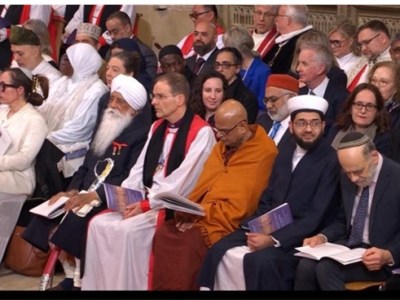
The Peace Charter for Forgiveness and Reconciliation, first launched in the UK Parliament, is now endorsed in Botswana, one of Africa’s most peaceful democracies. The Charter invites governments, faith leaders, educators, and citizens alike to embed forgiveness, humility, compassion, and justice at the heart of their relationships, policies, and institutions. It promotes peace not as a passive state, but as a dynamic and courageous commitment to transformation, healing and unity.
The Speaker, Hon. Keorapetse, paid tribute to Botswana’s enduring commitment to democracy and peace:
“Despite having been governed by a single political party for 58 years, Botswana has witnessed neither retribution nor political persecution following the transition of power. This reflects our President’s unwavering message of unity and healing.”
Vice President Hon. Ndaba Gaolathe, in his engagement with the delegation, reaffirmed the Government’s commitment to promoting a society rooted in justice, inclusion, and shared responsibility.
Clerk of the National Assembly, Dr. Gabriel G. G. Malebang, connected the Charter’s message with Botswana’s heritage:
“The concept of peace is deeply embedded in our Setswana expression ‘Kagisano’- building together in harmony. Peace is not self-sustaining; it must be nurtured continuously.”
He highlighted the importance of traditional systems such as the Kgotla in enabling inclusive dialogue and peaceful governance.
Bhai Sahib Ji offered an appeal to Parliamentarians and all world leaders:
“If there was ever an international currency for peace and prosperity, one that every person could access – it would be the currency of values sacred to us as humans: compassion, integrity, humility, and loving responsibility. Let us invest in these values for generations to come.”

The Charter also addresses modern-day challenges, gender-based violence, youth conflict, environmental degradation, and spiritual disconnection, offering a deeply ethical and actionable framework for restoring inner and outer peace.
The delegation concluded their visit by encouraging Botswana to become a continental champion for forgiveness and reconciliation in Africa, inspiring other nations to adopt similar frameworks grounded in moral courage and spiritual strength.
The adoption of the Peace Charter and the honouring of Bhai Sahib Ji marks a profound milestone in Botswana’s democratic journey, strengthening its role as a beacon of principled governance, dialogue, and peace on the global stage.
ENDS
Notes for Editors:
- Guru Nanak Nishkam Sewak Jatha (GNNSJ) is a faith-based organisation headquartered in Birmingham, UK, with global outreach through its work in spiritual development, education, healthcare, interfaith dialogue, and civic engagement. It operates Gurudwaras (Sikh places of worship), educational institutions, and social impact programmes in the UK, Kenya, and India.
- Bhai Sahib Bhai (Prof.) Mohinder Singh is the Spiritual Leader and Chairman of GNNSJ. He is recognised globally for his leadership in interfaith collaboration, reconciliation, and peacebuilding.
- He was awarded the Pontifical Order of Knighthood of St Gregory the Great by His Holiness Pope Benedict XVI in 2012 – the first Sikh to ever receive this honour.
- He has also been awarded the Officer of the Order of the British Empire (OBE) for services to faith communities and interfaith relations in the UK and globally.
- Bhai Sahib Ji is a founding member of the European Council of Religious Leaders, President of Religions for Peace UK, and Co-President of Religions for Peace International.
- The Peace Charter for Forgiveness and Reconciliation, championed by Bhai Sahib Ji, promotes healing, reconciliation, and peacebuilding across divides. It draws from the teachings of many religious and spiritual traditions, including those of Jesus Christ, the Prophet Muhammad (PBUH), Guru Nanak Dev Ji, Mahatma Gandhi, and Martin Luther King Jr.


 Nishkam Media Centre