Soho Road BID business Invited to Discover the Power of AI – and the Path to MBA-Level Leadership

14th July 2025

Business owners and directors of private limited companies on and around Soho Road are being urged to seize a golden opportunity to unlock the productivity and growth benefits of Artificial Intelligence (AI) at a free lunchtime workshop on Thursday, 24th July, from 12:30pm to 2:00pm at the Nishkam Centre.

Hosted in partnership by the Soho Road Business Improvement District (BID) and the Nishkam Centre, this event is designed specifically for forward-thinking business leaders who want to stay ahead of the curve. Whether you’re new to AI or already exploring digital tools, this hands-on session will show how AI can help your business reduce costs, increase productivity, and streamline day-to-day operations.

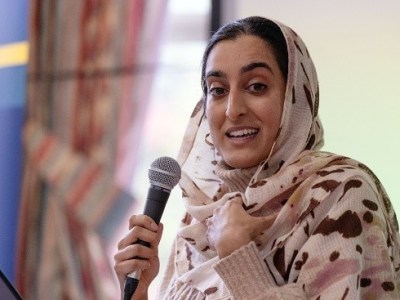
The session will be led by Professor Upkar Pardesi OBE, Board Director of Soho Road BID, who is also a nationally respected expert in small business growth, AI integration and strategic leadership.

This is not just a workshop, it’s a chance to take your business thinking to the next level,” said Prof Pardesi. “Join us for a lively and engaging discussion, practical advice, and lunch on us!

Private limited liability companies in Birmingham and surrounding areas are especially encouraged to attend, as they often face the dual challenge of managing day-to-day demands while planning long-term growth. This workshop will give them the tools to do both, with the help of AI.

Importantly, attendees will also be introduced to the fully-funded Senior Leadership Programme (SLP), a prestigious Level 7 qualification (equivalent to a Master’s degree) aimed at developing strategic, values-led leadership within SMEs. Graduates of the SLP can even progress towards a full MBA with additional credits.

Bob Balu, Chair of Soho Road BID, emphasised the urgency: “Every BID business should attend this workshop, AI isn’t a novelty and a passing fad, it’s a necessity for innovation and competitiveness and we must develop our future leaders, especially when fully-funded programmes like the SLP are available.

Rakesh Soni, BID Manager, added: “We need more owners and directors who embrace a learning mindset. AI and leadership go hand in hand and this session will show you how to build both.

Venue: Nishkam Centre, 6 Soho Road, B21 9BH

Time: 12:30pm – 2pm (includes lunch)
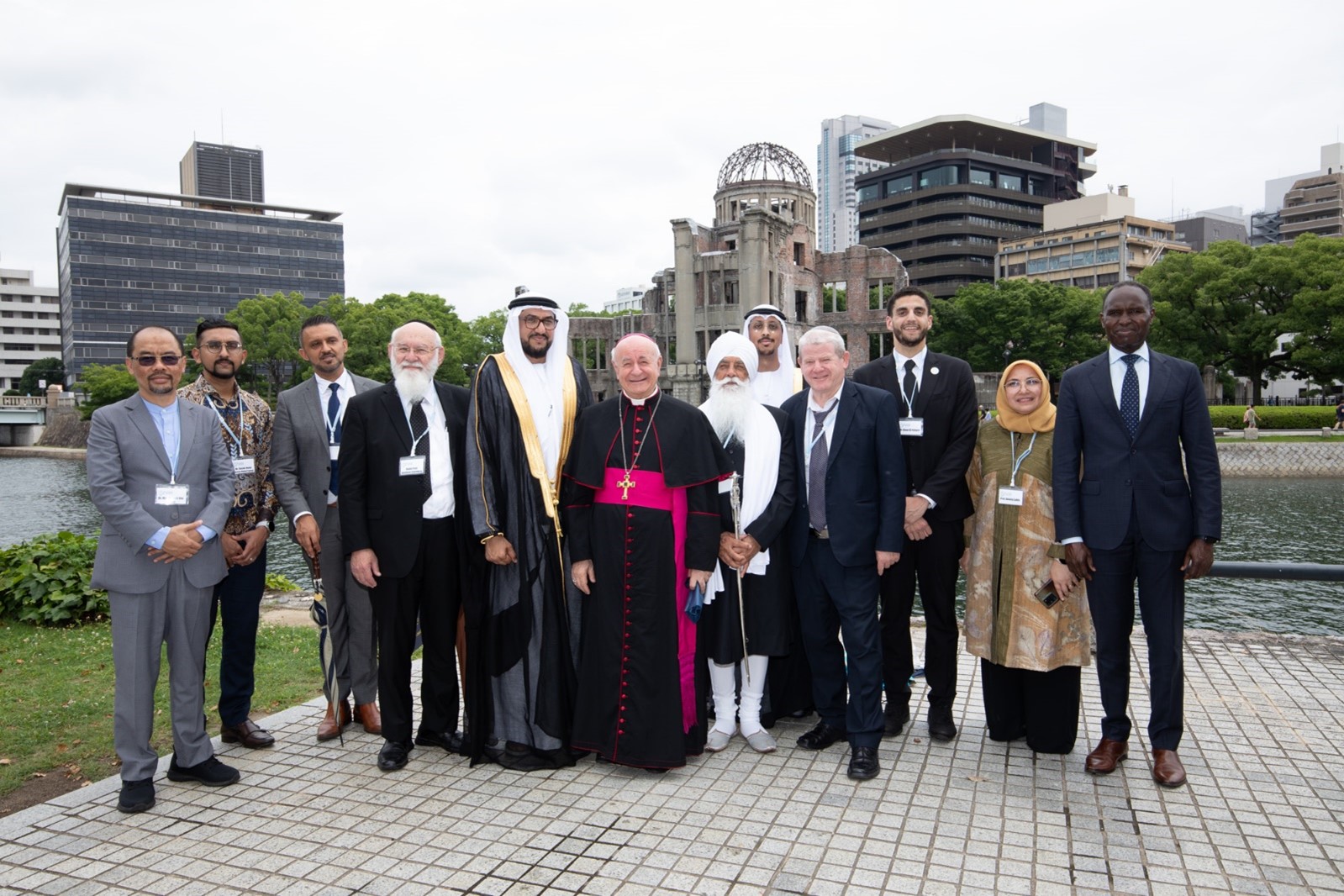
GNNSJ joins global call for Ethical AI in Hiroshima, Japan

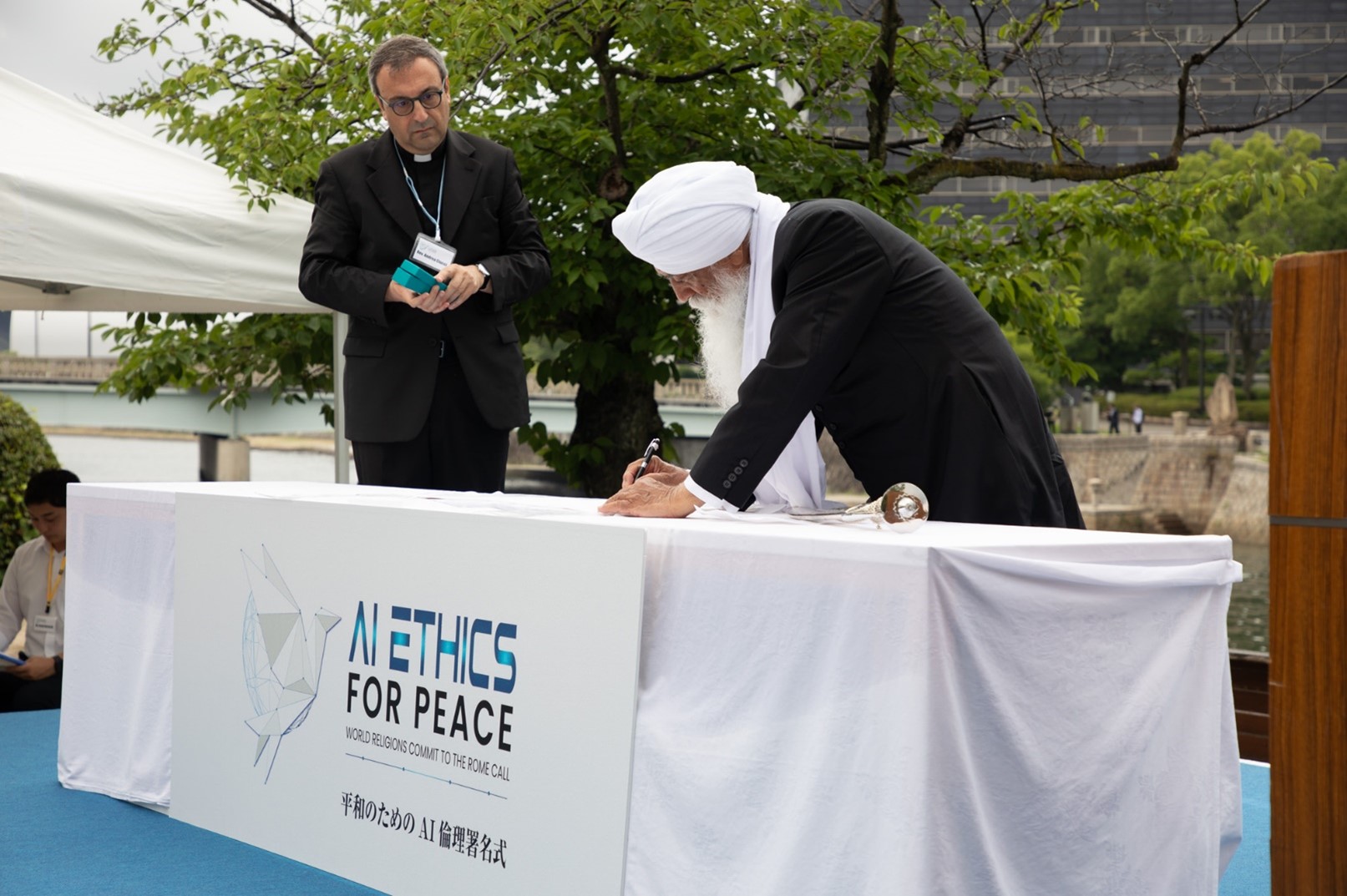
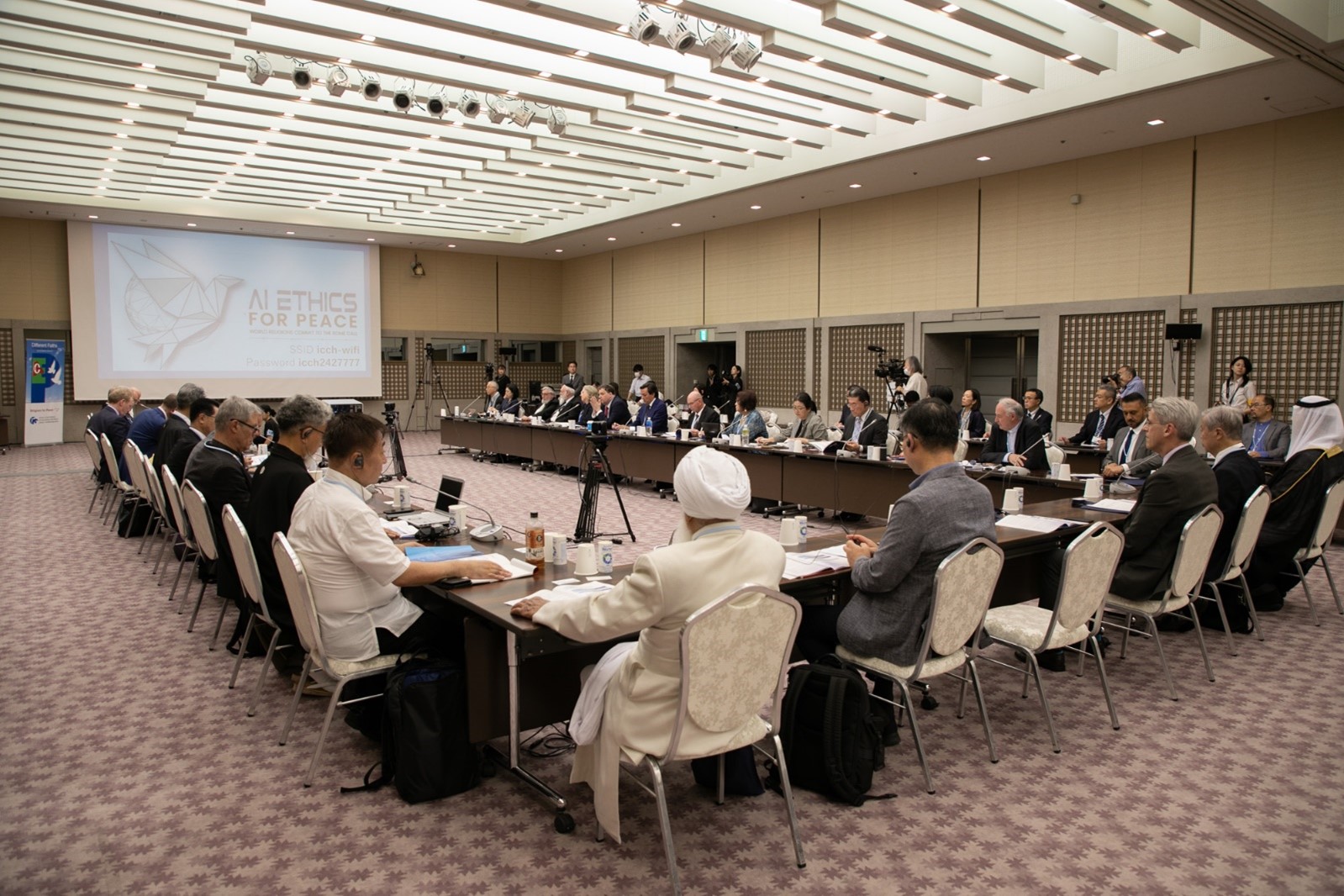
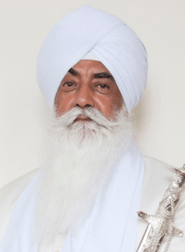
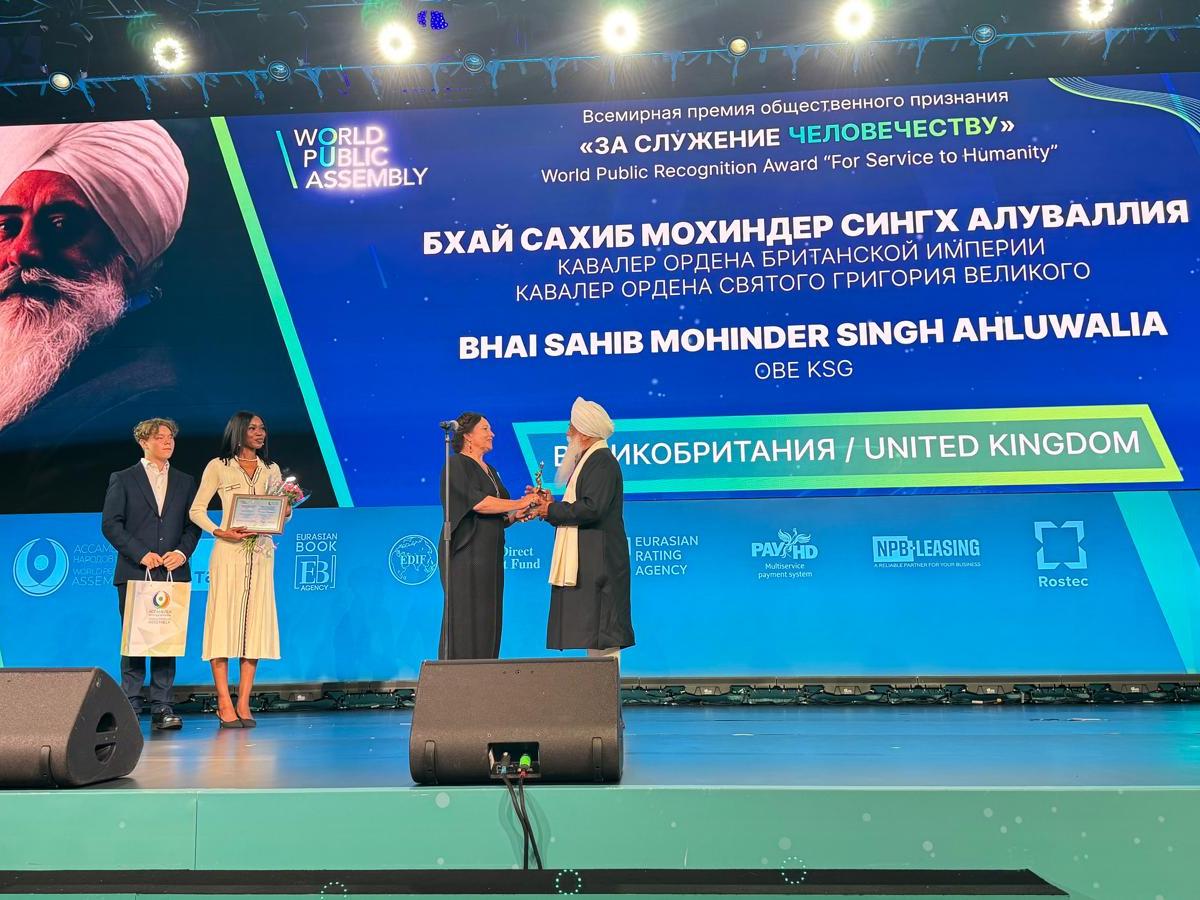
On 10th July 2024, Bhai Sahib (Prof) Mohinder Singh Ahluwalia OBE KSG, Chairman of Guru Nanak Nishkam Sewak Jatha (GNNSJ) and Co-President of Religions for Peace International, participated as the only British Sikh in a historic gathering of leaders from major Eastern religions.

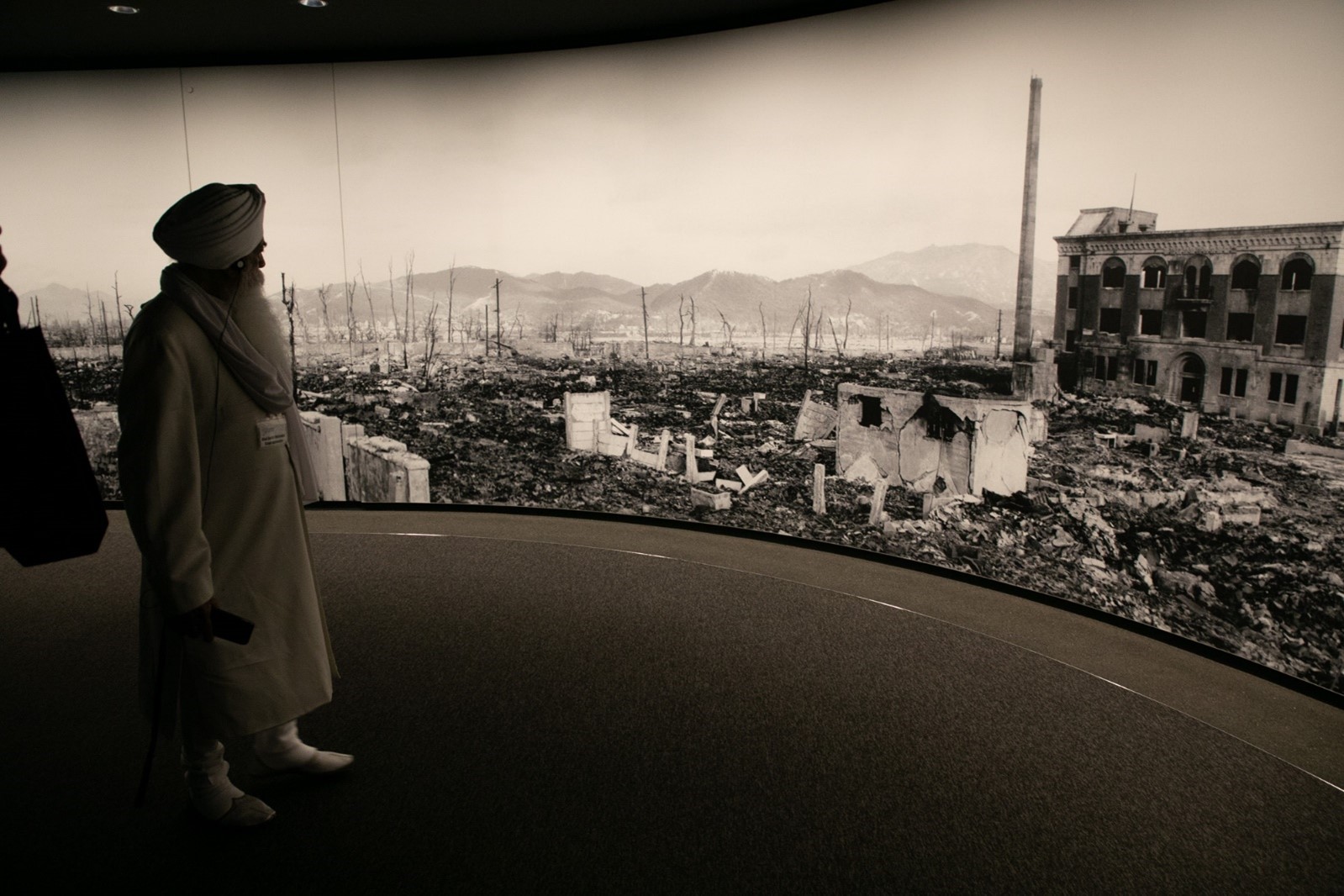
More than a dozen leaders from various religions with roots in Asia, including Buddhist, Sikh and Shinto groups, gathered at the Peace Park in Hiroshima, which was decimated by a US nuclear bomb attack in 1945.

Together, they signed a charter advocating for the development and ethical use of AI, with a special emphasis on aiding the world’s most disadvantaged communities. This initiative, conceived by the Vatican, builds upon commitments made in 2020 by Abrahamic traditions and leading tech companies such as Microsoft, IBM, and Cisco, who endorsed the Rome Call for AI Ethics.

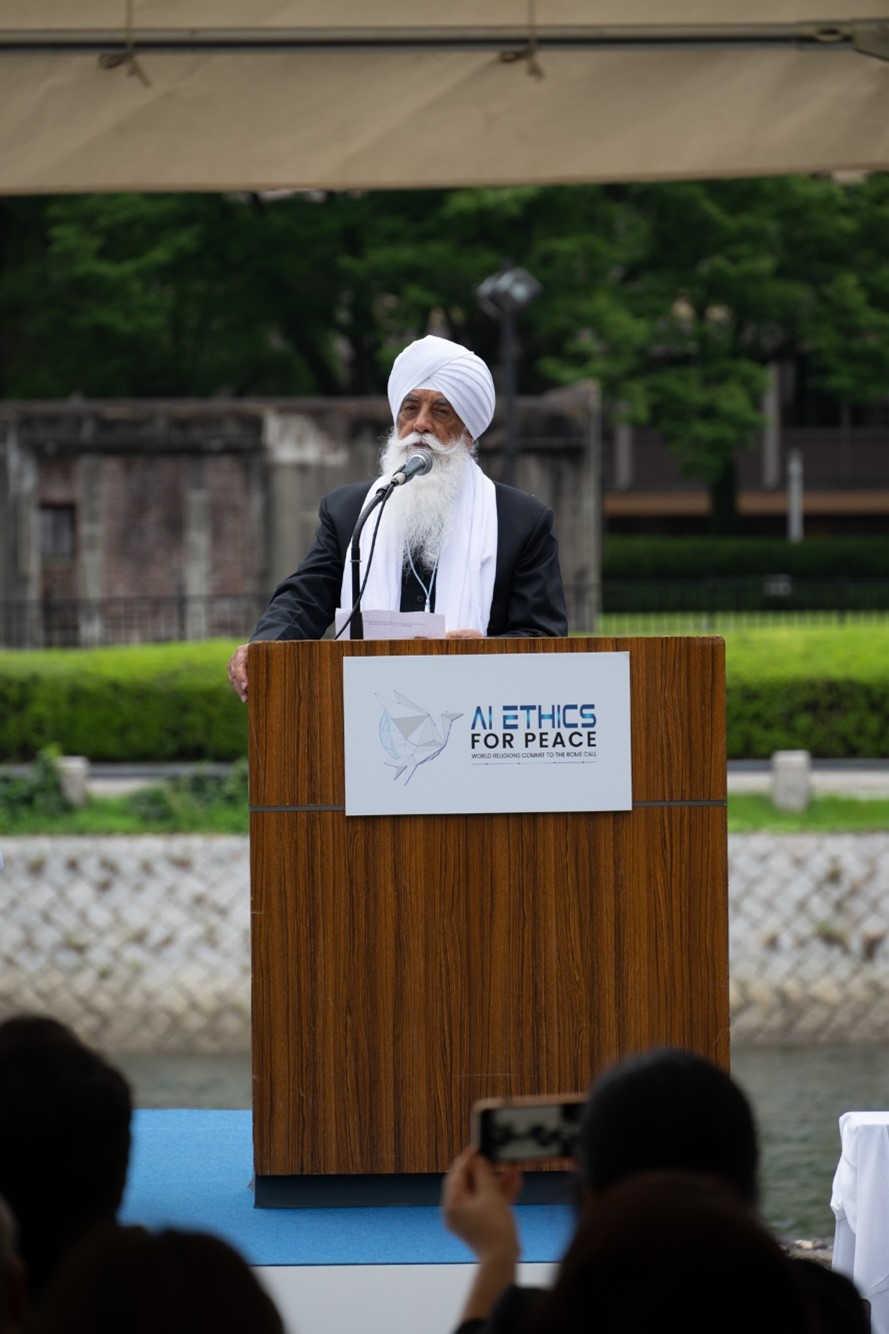
Bhai Sahib Bhai Mohinder Singh, chair of the Sikh organisation Guru Nanak Nishkam Sewak Jatha, told the ceremony that the Rome Call for AI Ethics “provides a much-needed global moral check”

At the G7 summit last month in Italy, Pope Francis made an unprecedented address on AI ethical concerns surrounding artificial intelligence, becoming the first pope to participate in the summit of leaders.

As AI transforms industries globally, the benefits to society and the planet are immense. However, its rapid adoption also poses significant risks to communities and businesses. Addressing risks like AI hallucination, bias, discrimination, misinformation, and inaccuracies is crucial at this juncture of opportunity and potential consequence.

The Rome Call for AI Ethics comprises 3 impact areas (Ethics, Education and Rights) and 6 principles (Transparency, Inclusion, Accountability, Impartiality Reliability, Security & Privacy), all of which require artificial intelligence to be developed ‘with ethical principles to ensure it serves the good of humanity’, given concerns over the impact on warfare, elections and employment. These guiding frameworks support data scientists, developers and researchers in building AI systems in an ethical manner to benefit society.

Signatories agreed that AI systems ‘must not discriminate against anyone’ and ‘there must always be someone who takes responsibility for what a machine does’. The systems should be reliable, secure, straightforward to understand, and ‘must not follow or create biases’.

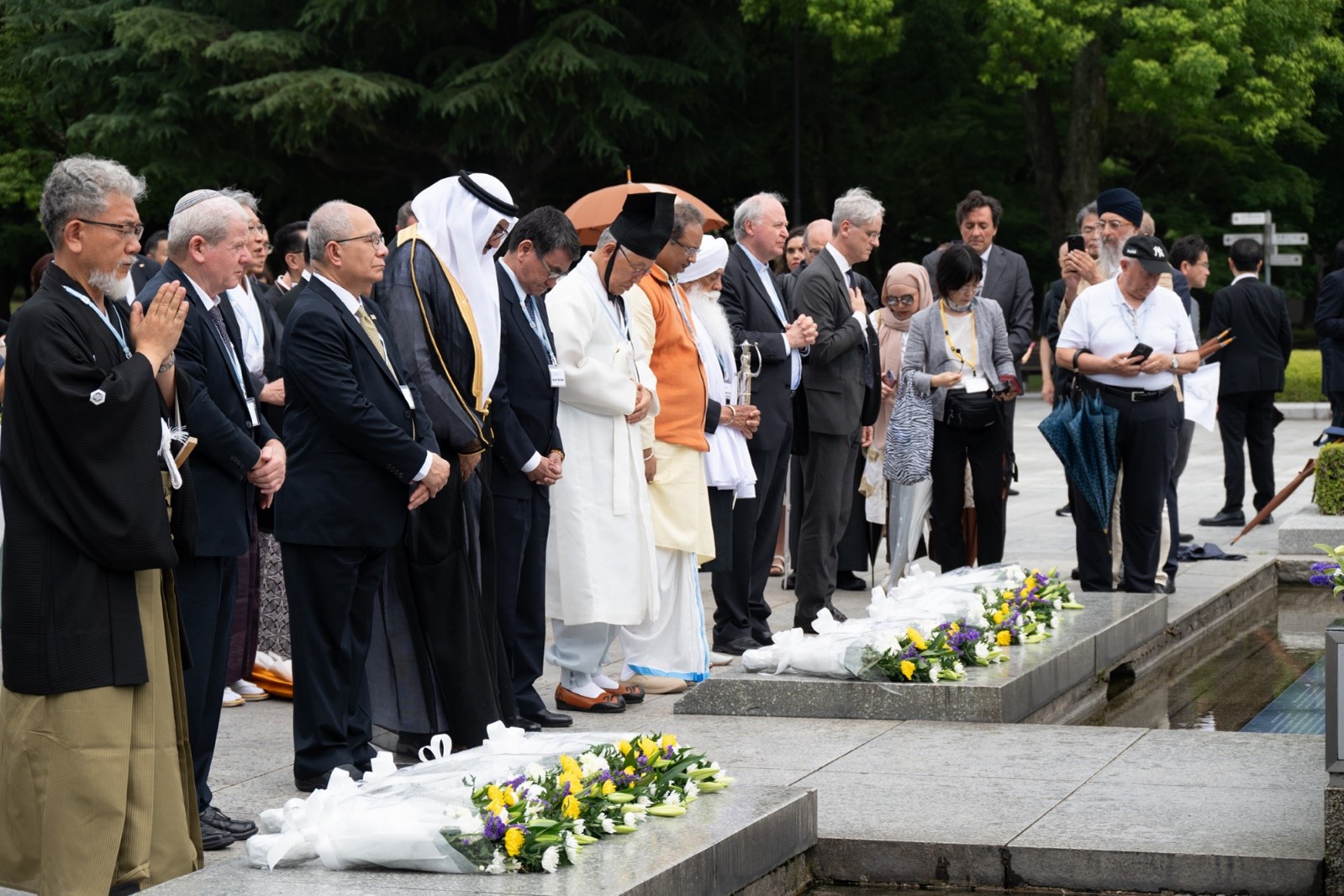
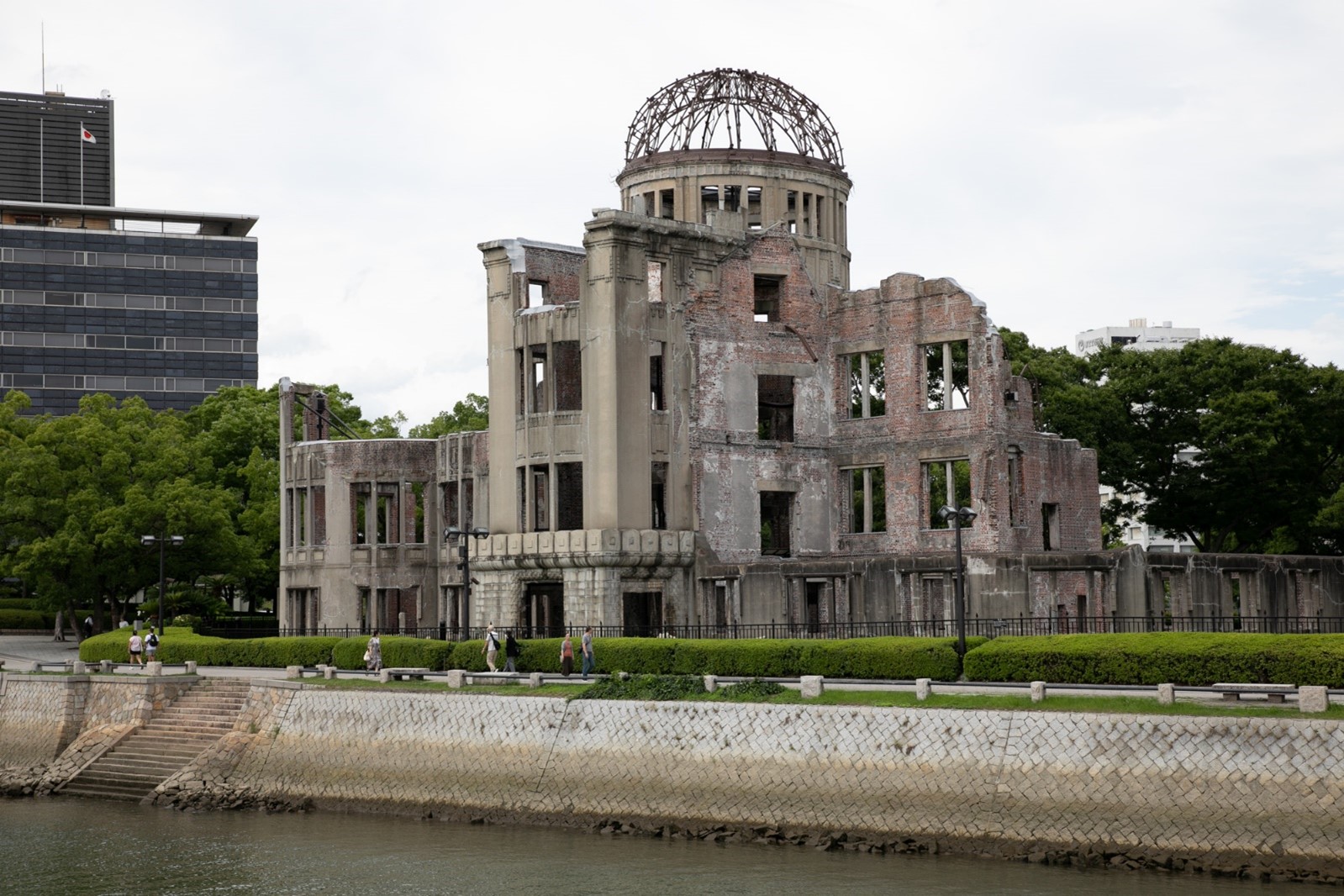
A moment’s silence was held before the ruins of a domed building that stands as a memorial to the 140,000 people killed in the atomic bombing at the end of World War II.

Concluding the two-day forum on the topic, the president of World Fellowship of Buddhists, Shinto sect leaders and the secretary general of the Baha’i International Community among others signed the call.

Upon signing, Bhai Sahib Mohinder Singh told the ceremony that the Rome Call for AI Ethics ‘provides a much-needed global moral check’ and that AI ‘should never, ever exploit or destroy God’s creation, it should only seek its betterment and flourishing’.

The application of Rome Call principles to the reality of the tech world and the responsibility that AI producers share was witnessed by the attending big tech leaders. ‘With its profound place in human history, Hiroshima serves as a compelling backdrop to help ensure a technology created by humanity serves all of humanity and our common home,’ said Brad Smith, Vice Chair and President of Microsoft as well as one of the Call’s first signatories.

Discussions to ensure AI serves the good of humanity

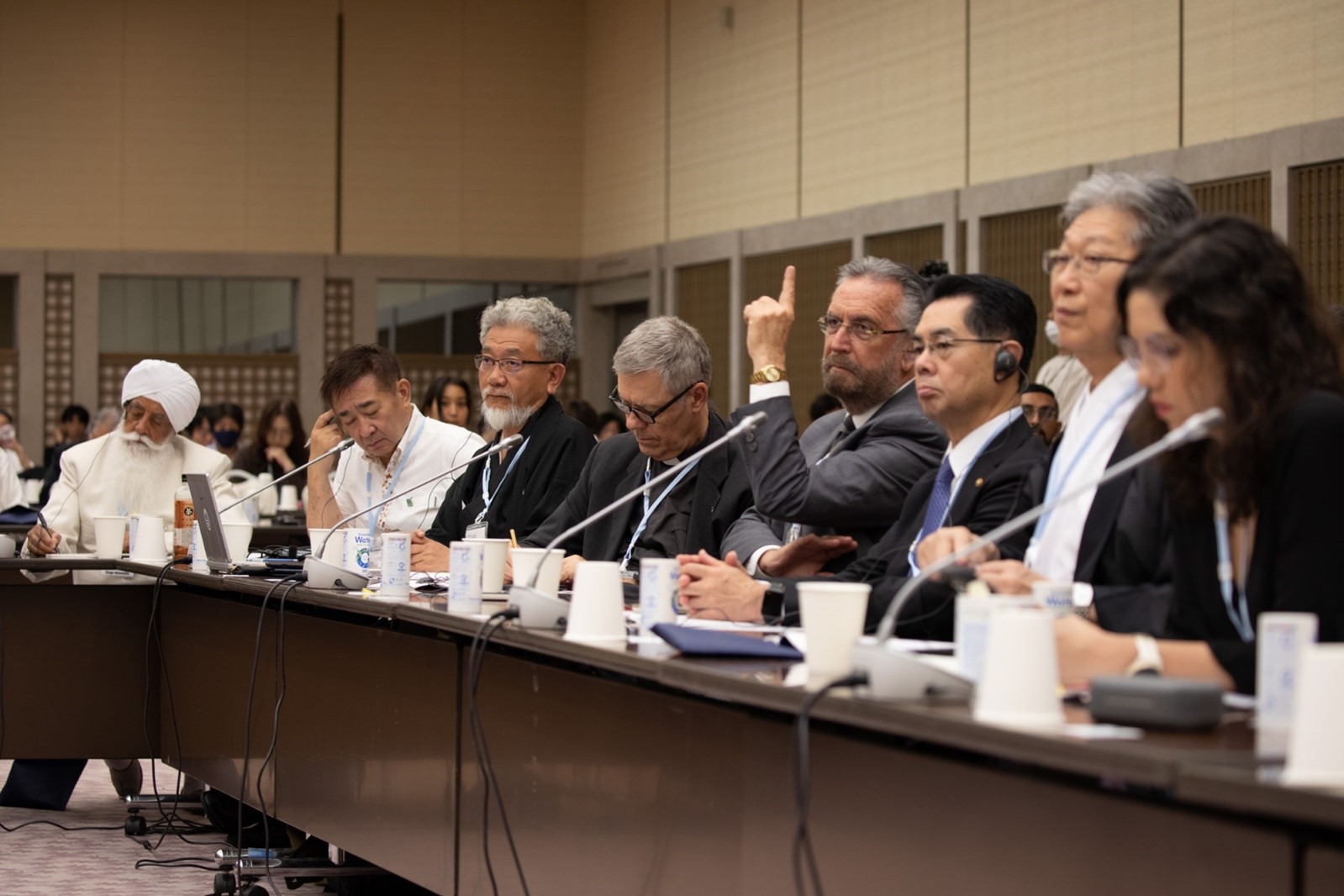
Among the many distinguished speakers, who enriched the event by providing multiple perspectives on the risks and benefits of artificial intelligence, was the keynote address by Amandeep Singh Gill, UN Secretary-General’s Envoy on Technology, who stated: ‘The Rome Call for AI Ethics embodies the spirit needed for global AI governance. It comes at a critical moment ahead of the Summit of the Future and brings diverse religious perspectives together into a shared vision of ethical and human-centred AI. The Call is aligned with the United Nations Secretary General’s efforts to ensure AI governance is global, inclusive, and dedicated to promoting peace and human dignity for all.’

A moment’s silence was held before the ruins of a domed building that stands as a memorial to the 140,000 people killed in the atomic bombing at the end of World War II.

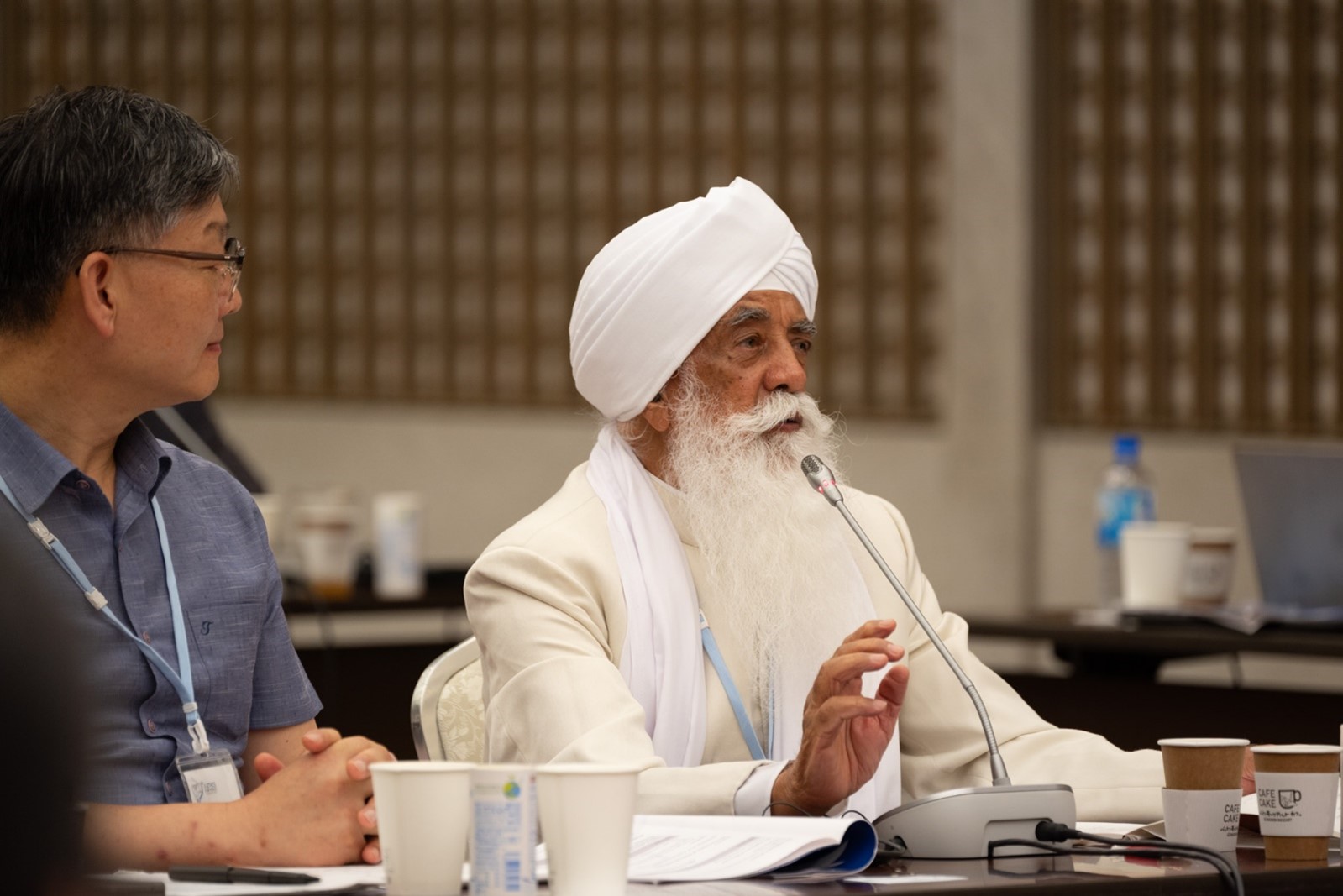
Bhai Sahib (Prof) Mohinder Singh Ahluwalia OBE KSG, addresses faith and technology leaders.

Following the testimony of a survivor of the atomic bomb, participants walked to the Memorial Park, visiting the cenotaph, and laid wreaths in memory of the victims; they then proceeded to the Ceremony Site, via the Peace Light and the Statue of the Children of the Atomic Bomb.

Researchers at the Institute for Ethics in AI at the University of Oxford have separately deemed the issue ‘urgent and important’ and have stated that ‘Every day brings more examples of the ethical challenges posed by AI, from face recognition to voter profiling, brain machine interfaces to weaponised drones, and the ongoing discourse about how AI will impact employment on a global scale’.

Following the event, the letter below was issued by the President of the Pontifical Academy for Life, +Vincenzo Paglia, extending gratitude to the distinguished representatives who signed the Rome Call for AI Ethics during the event in Hiroshima.

For further details about the Rome Call for AI Ethics and to view the full list of signatories and supporting organisations, please click here.

ENDS

For media inquiries, please contact: info@ncauk.org

Media Contact Information: Ajit Singh 0121 515 4229

Notes to Editors

About Nishkam Civic Association:

The Nishkam Civic Centre (NCA) is a leading provider of values-led education and work-based education in Birmingham. NCA is committed to supporting local communities, employers, and learners, ensuring they receive the highest quality education and apprenticeship programs. NCA’s dedicated team is driven by a shared vision of excellence, aiming to become an “Outstanding” provider in the City. For more information, please visit our website.