Archbishop Bernard Longley’s visits Gurudwara and Nishkam Campus

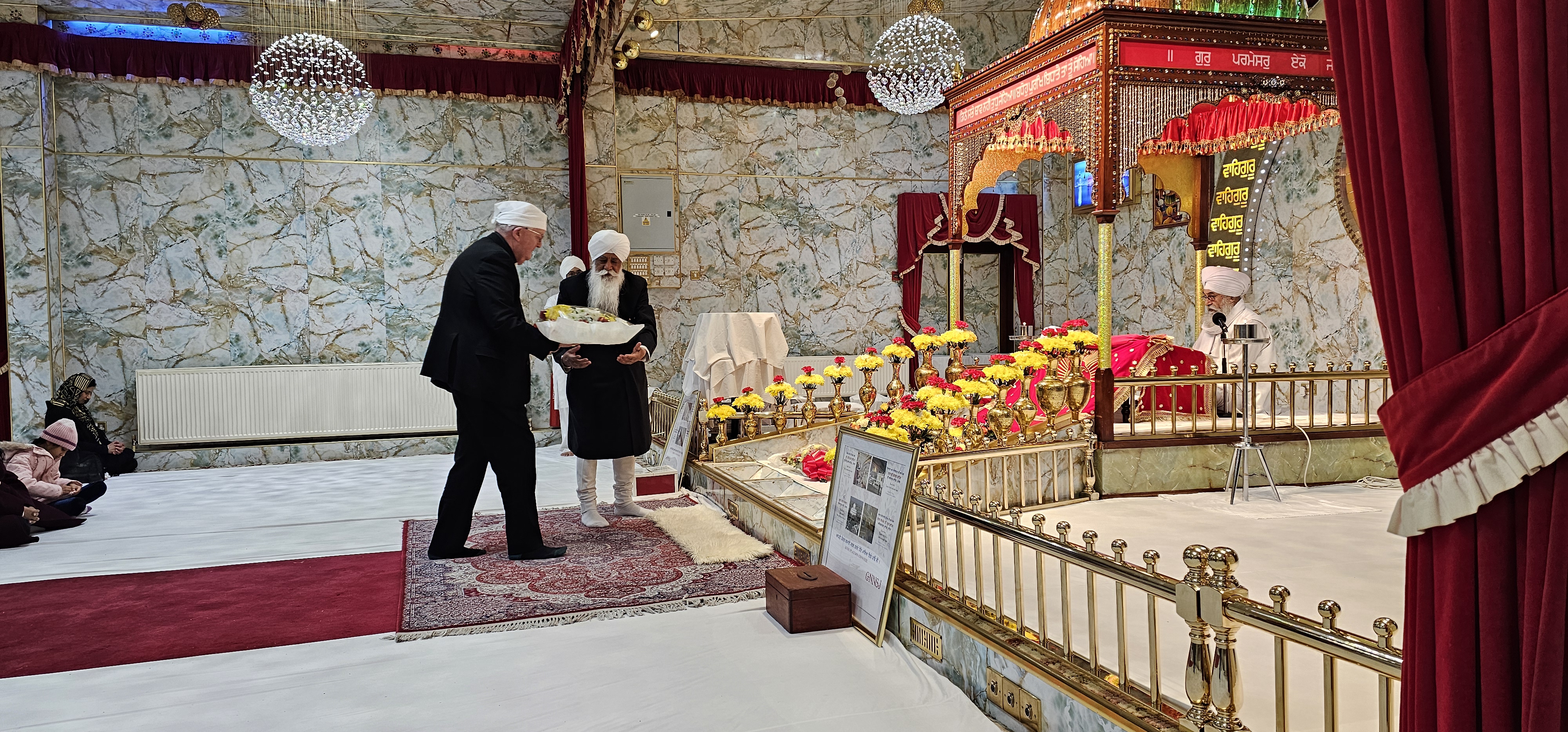
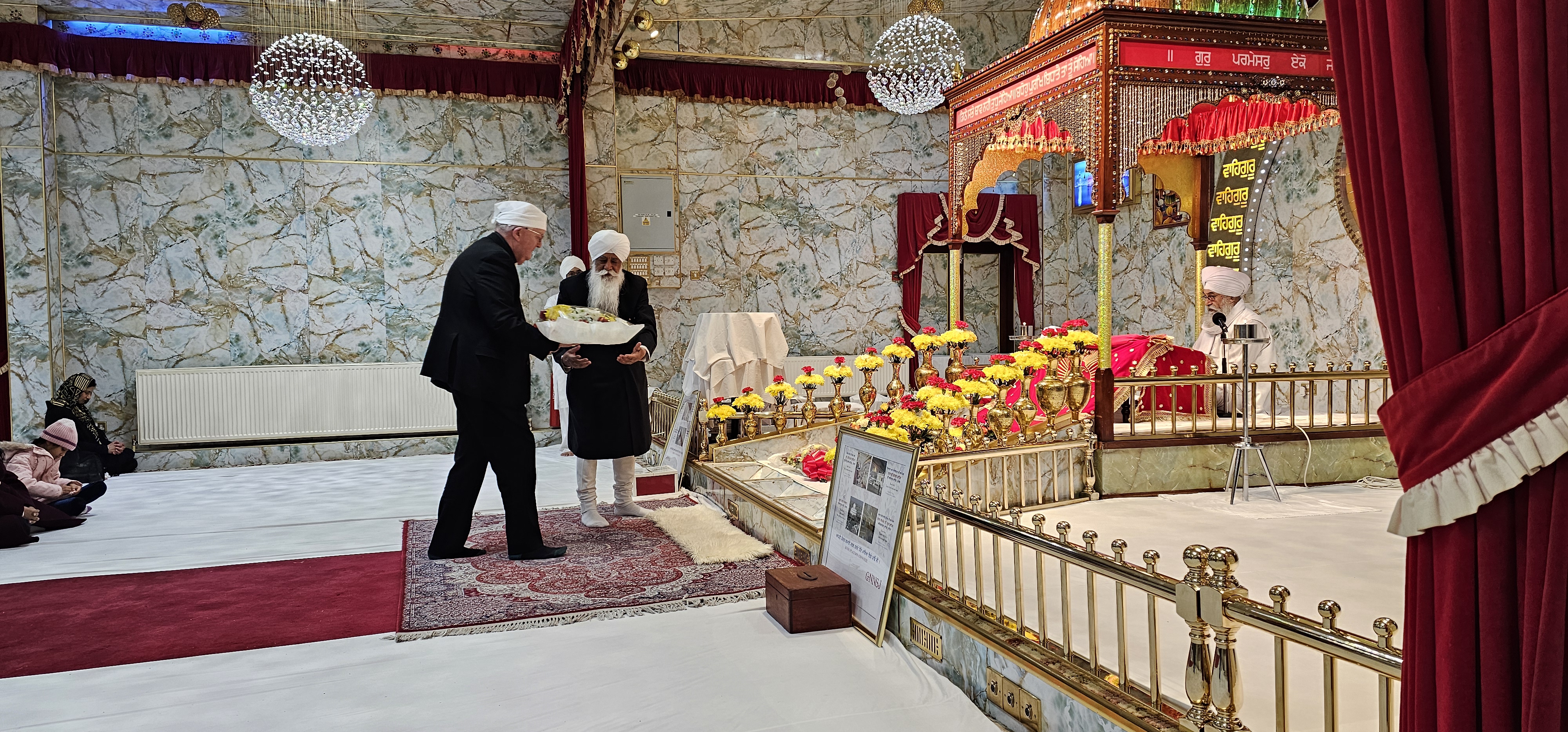
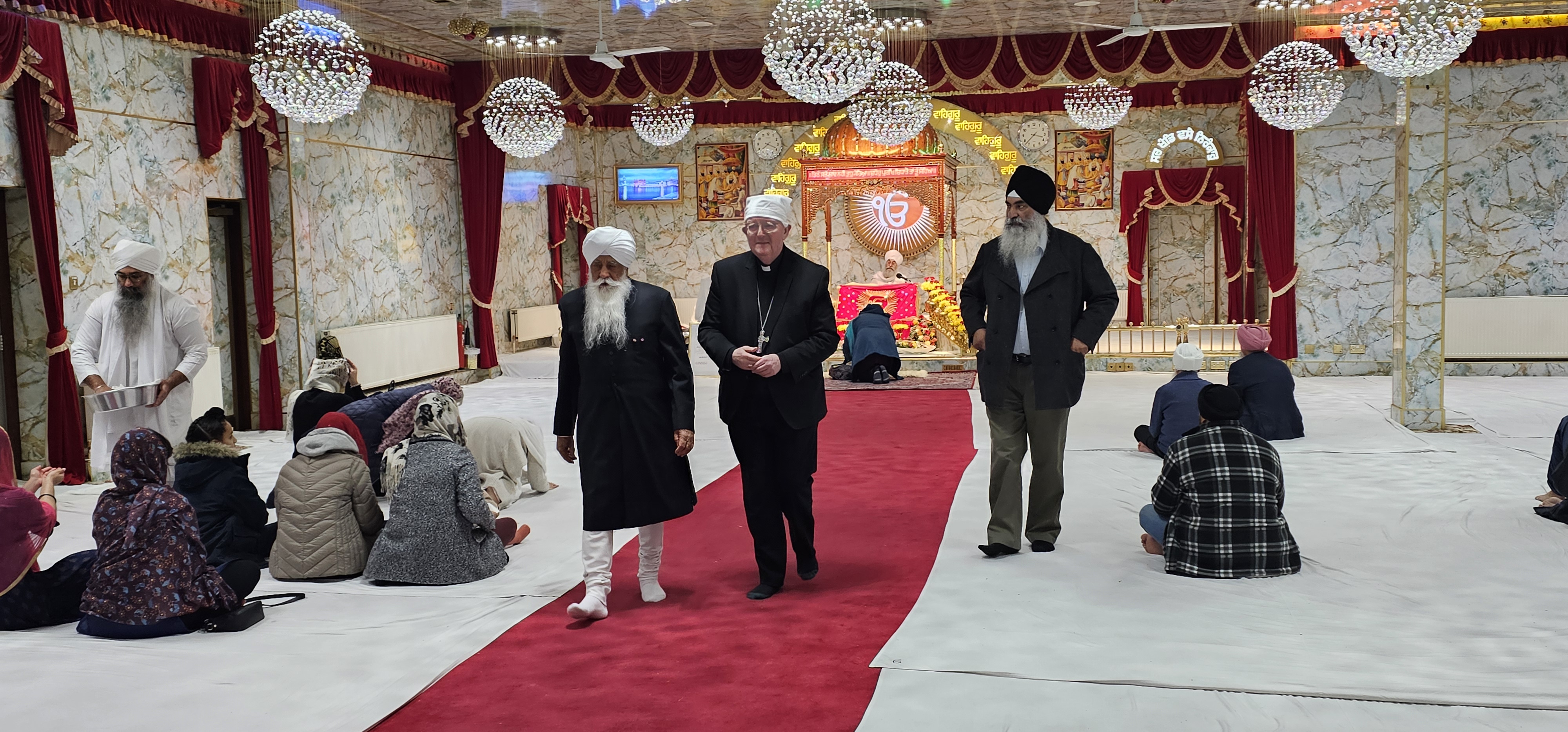
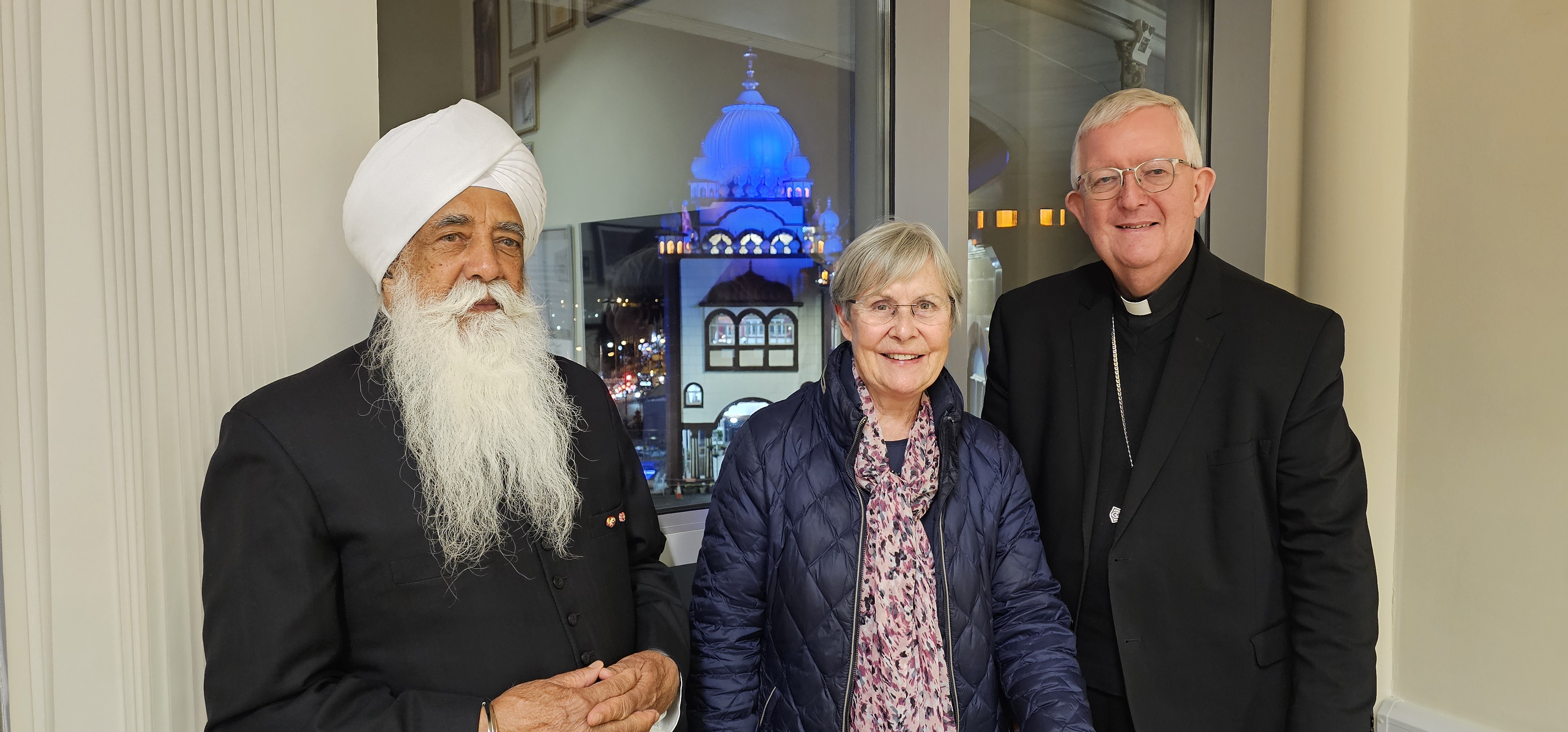
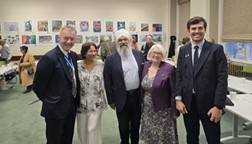
Archbishop Bernard Longley, Archbishop of Birmingham, undertook a deeply enriching visit to the Gurudwara and Nishkam Campus, an event that highlighted interfaith collaboration and shared values of community service, education, and spiritual reflection. The Archbishop’s itinerary included visits to important community institutions, each showcasing the ethos and commitment of the Nishkam Group of Organisations and then an opportunity for a discussion with Bhai Sahib, Prof Mohinder Singh OBE KSG and representatives of the Nishkam Campus.
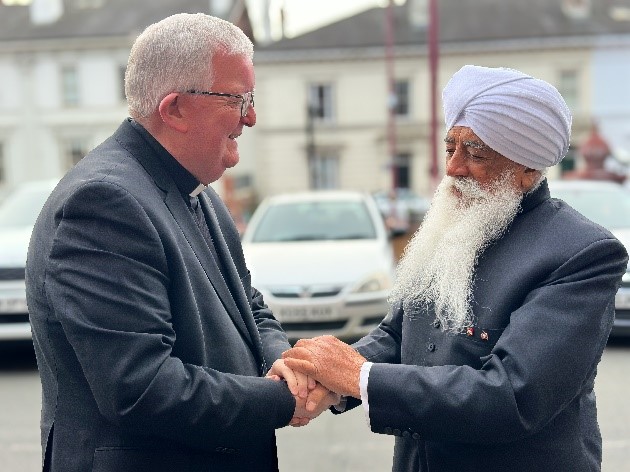
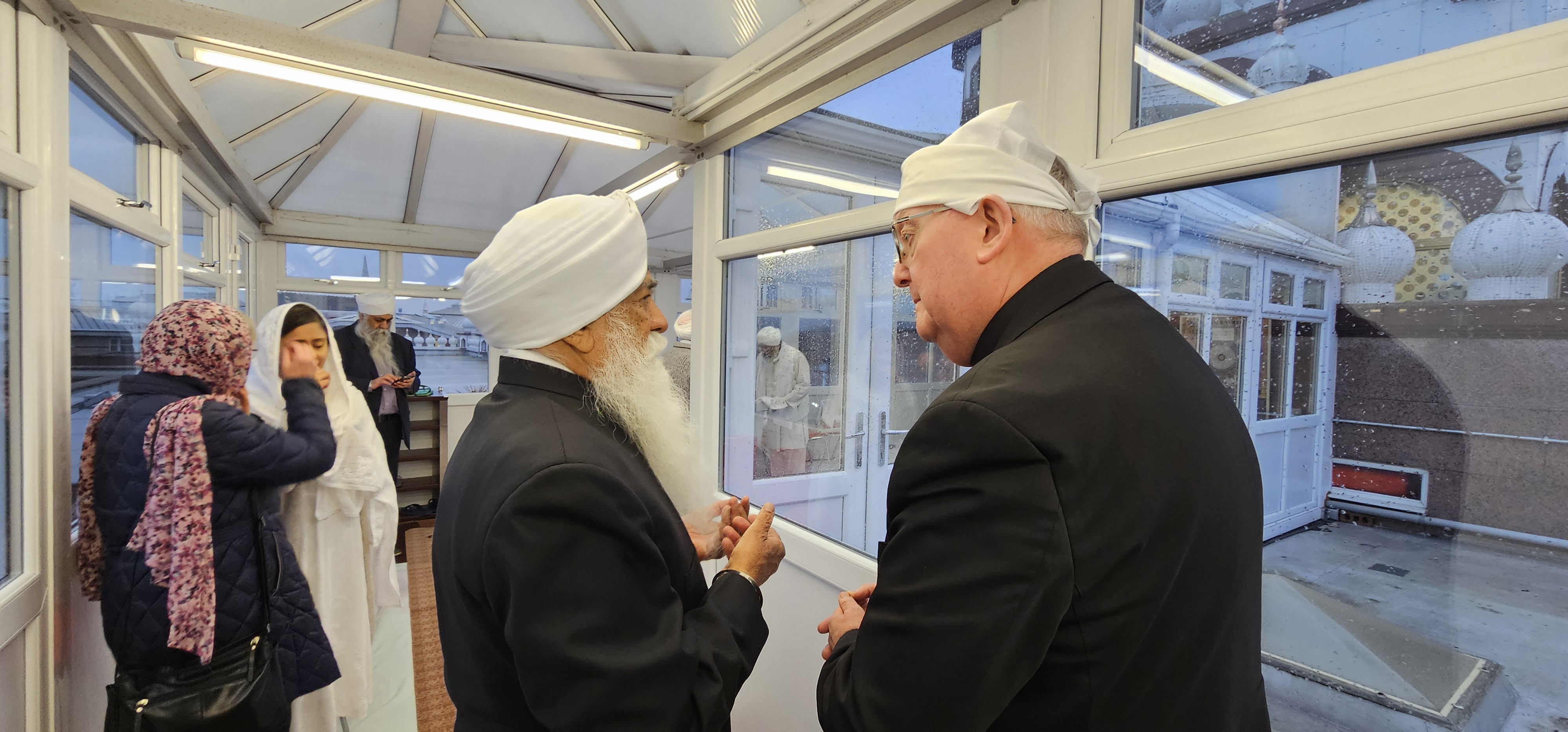
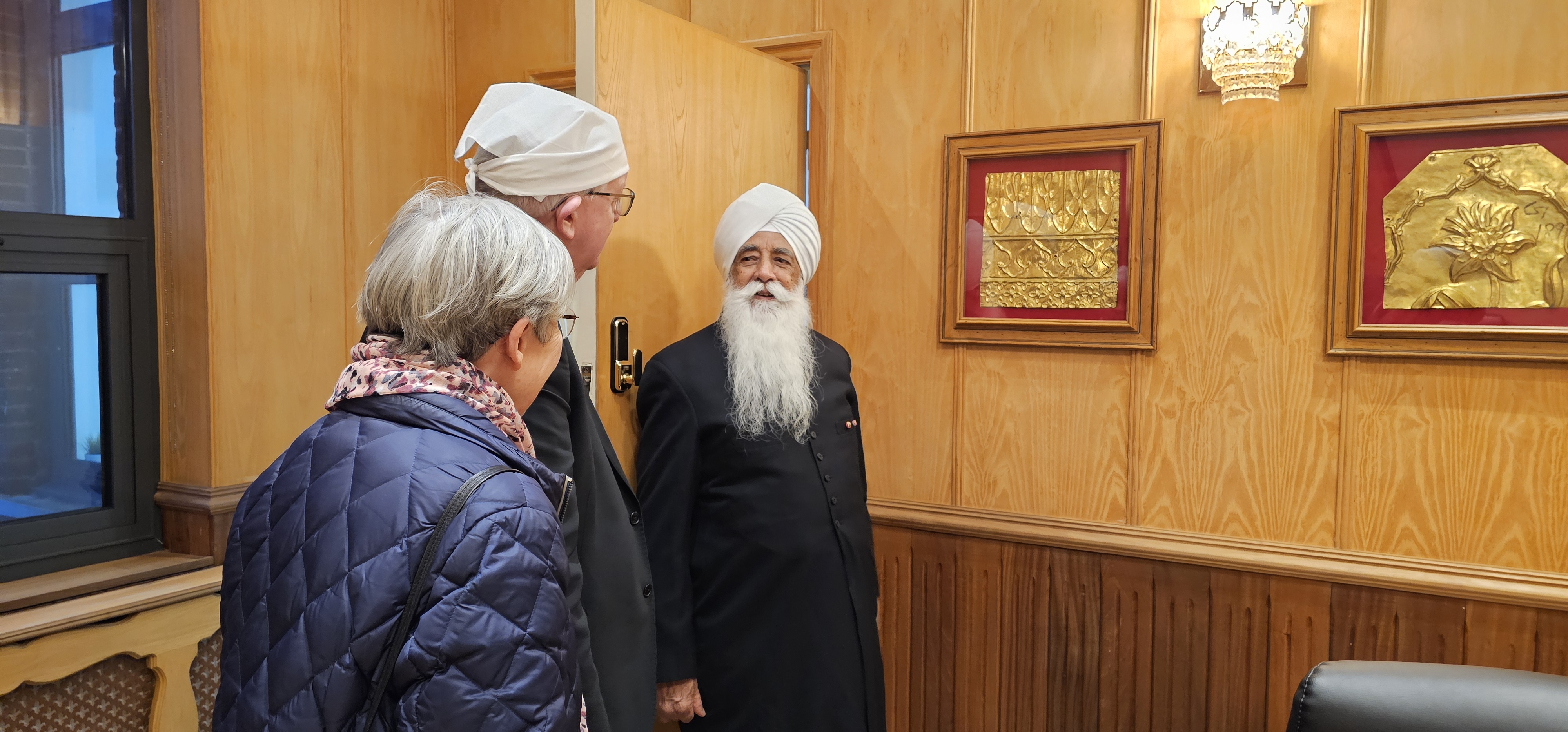
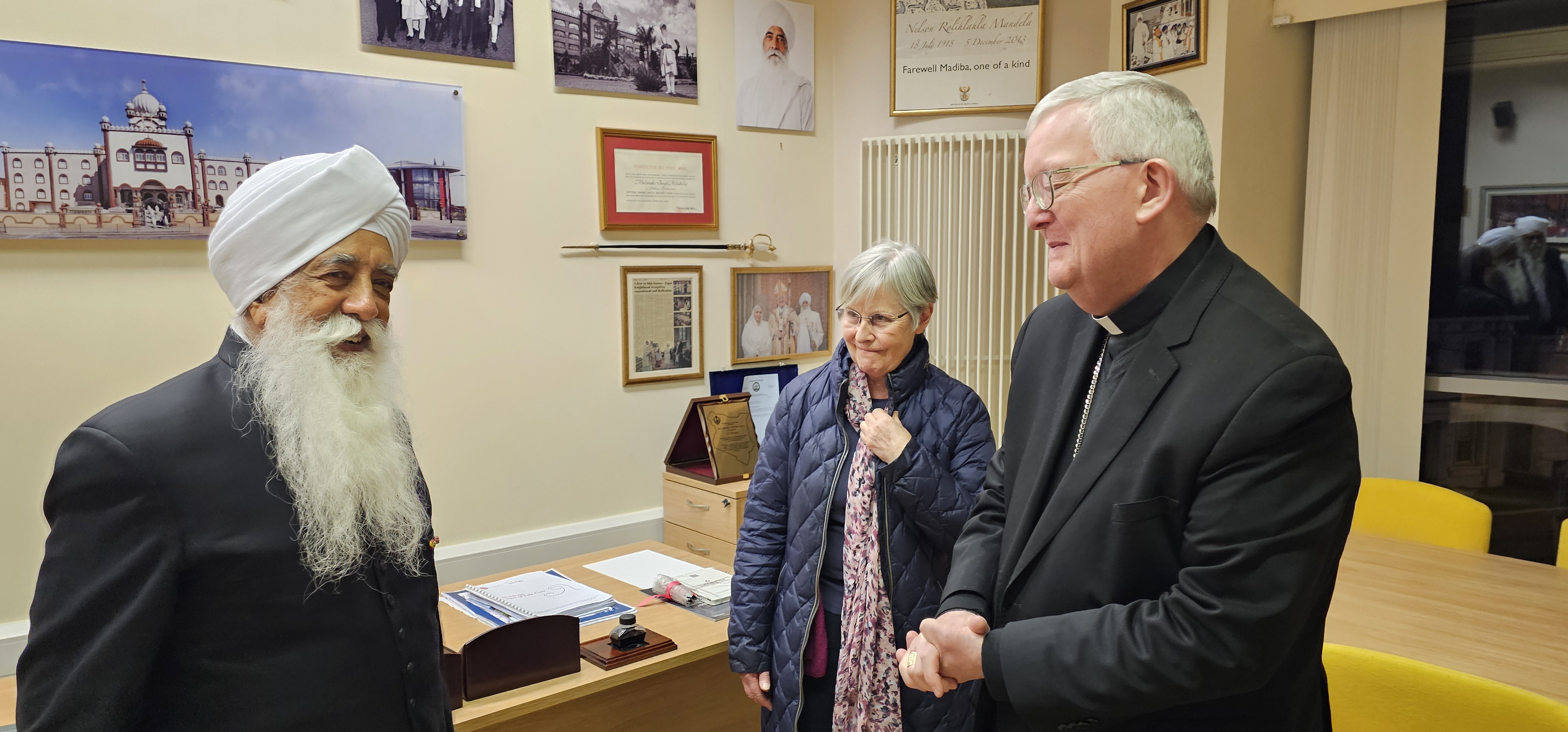
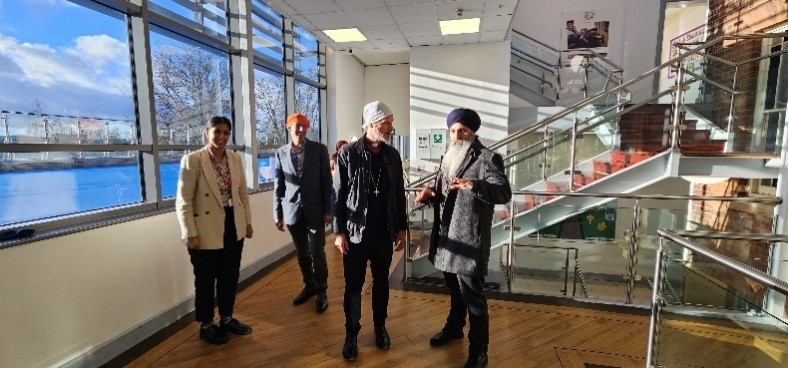
Bhai Sahib Ji and Archbishop warmly greet each other

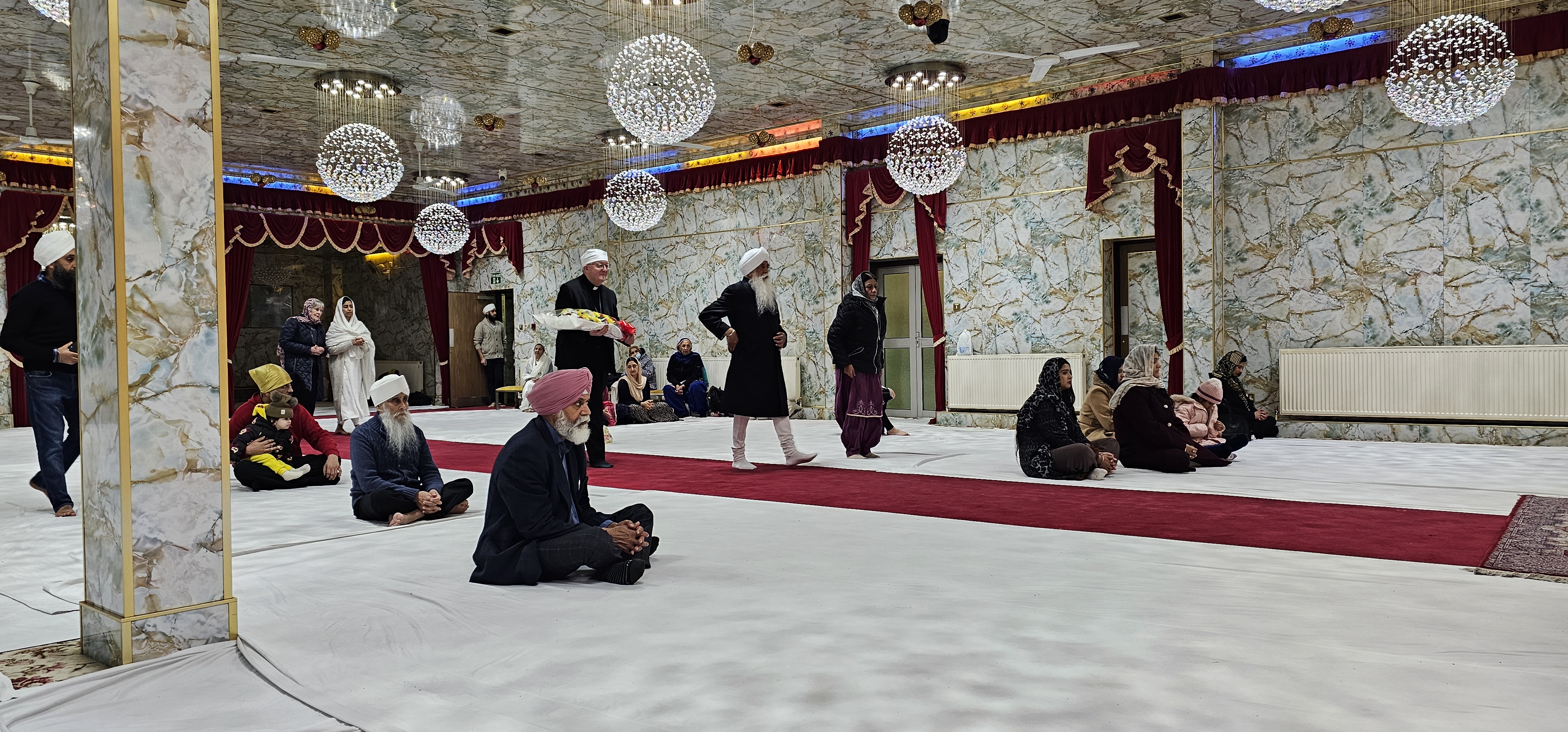
At the heart of the visit was the Gurudwara Sahib, a place of worship known for its serene atmosphere and emphasis on selfless service (‘sewa’). Archbishop Longley saw the congregation in prayer and appreciated the universal values of love, humility, and service that underpin Sikh teachings. The Langar (community kitchen), where over 25,000 vegetarian meals are prepared and served to all visitors on a weekly basis, regardless of background, was a poignant reminder of the Gurudwara’s commitment to equality, service and generosity.

The two leaders engaged in meaningful dialogue, focusing on the importance of interfaith understanding and cooperative efforts to address societal challenges. Bhai Sahib Ji shared insights into the Gurudwara’s extensive charitable initiatives and the role of faith in fostering unity, peace and compassion.
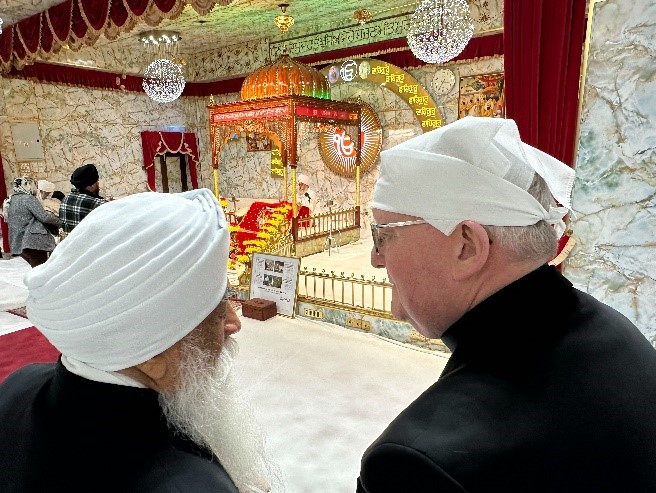
Bhai Sahib Ji discreetly explains the message from Sri Guru Granth Sahib Ji during the visit to the Darbar Sahib

As founding, established and long serving members of the Birmingham Faith Leaders Group, the Archbishop and Bhai Sahib Ji were no strangers, and this was evident from the strong bond between the two. The Archbishop’s visit was on the day the Gurudwara Sahib commenced its bi-annual eleven-day prayer programme for world peace and the welfare of all humanity on the morning of 21st December 2024.

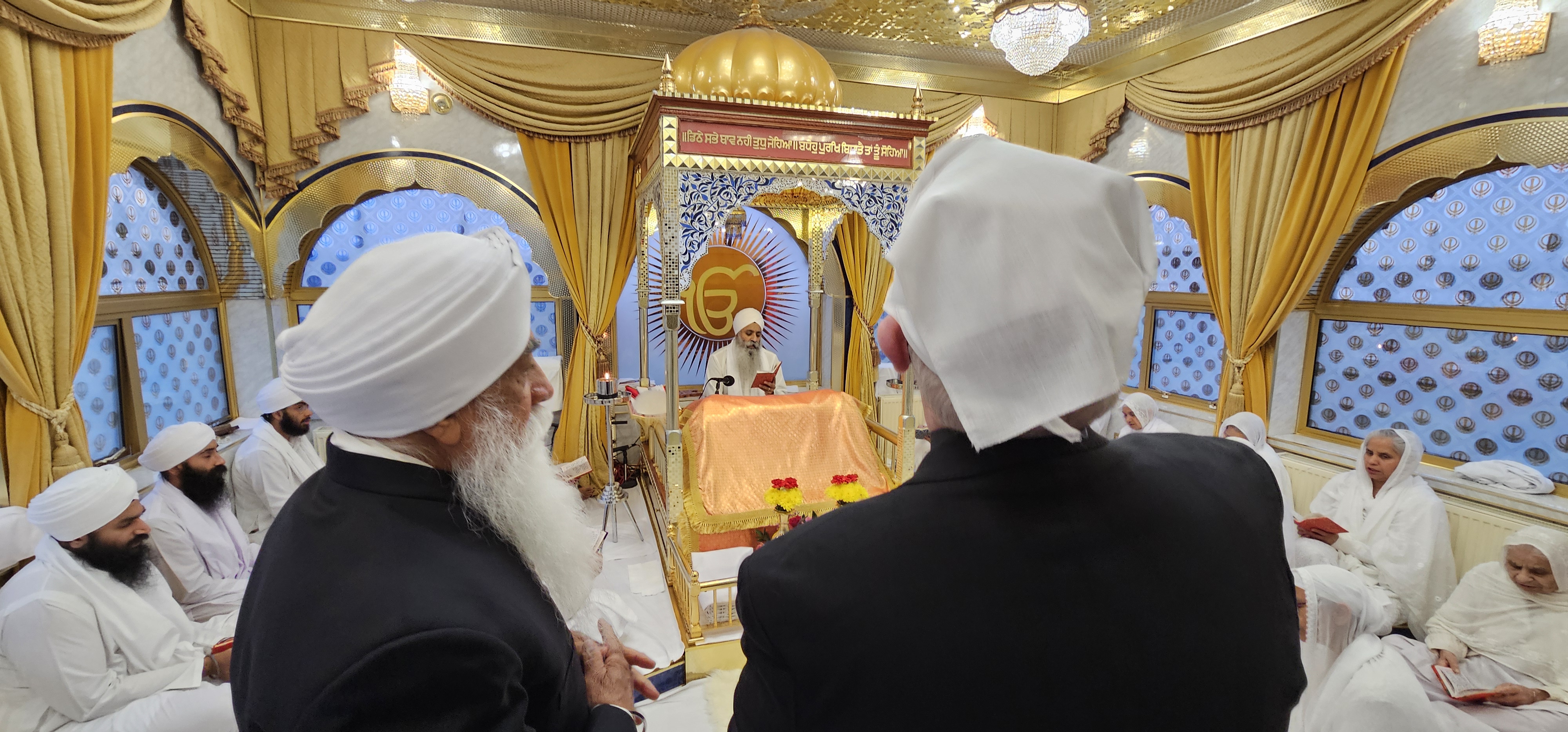
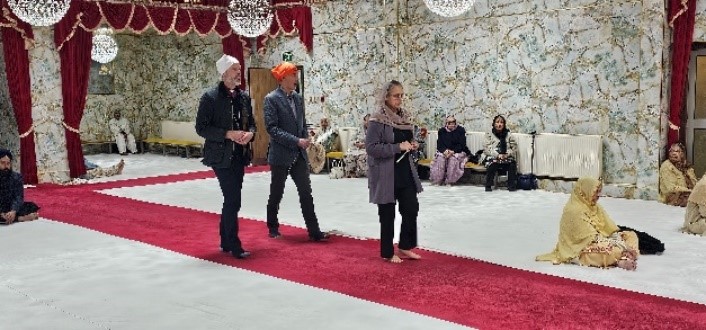
The visitors also witnessed the sangat (members of the congregation) praying together in the Dome Darbar. This was part of the monthly 24 hours of continuous Nitnem Prayers – the reciting of the Sikhs’ morning prayers.
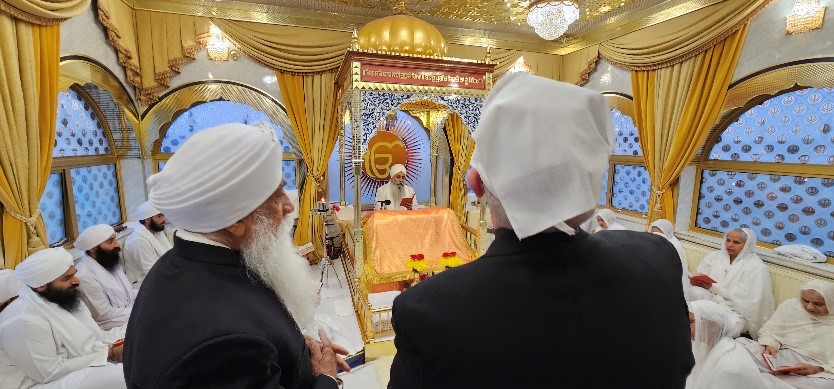
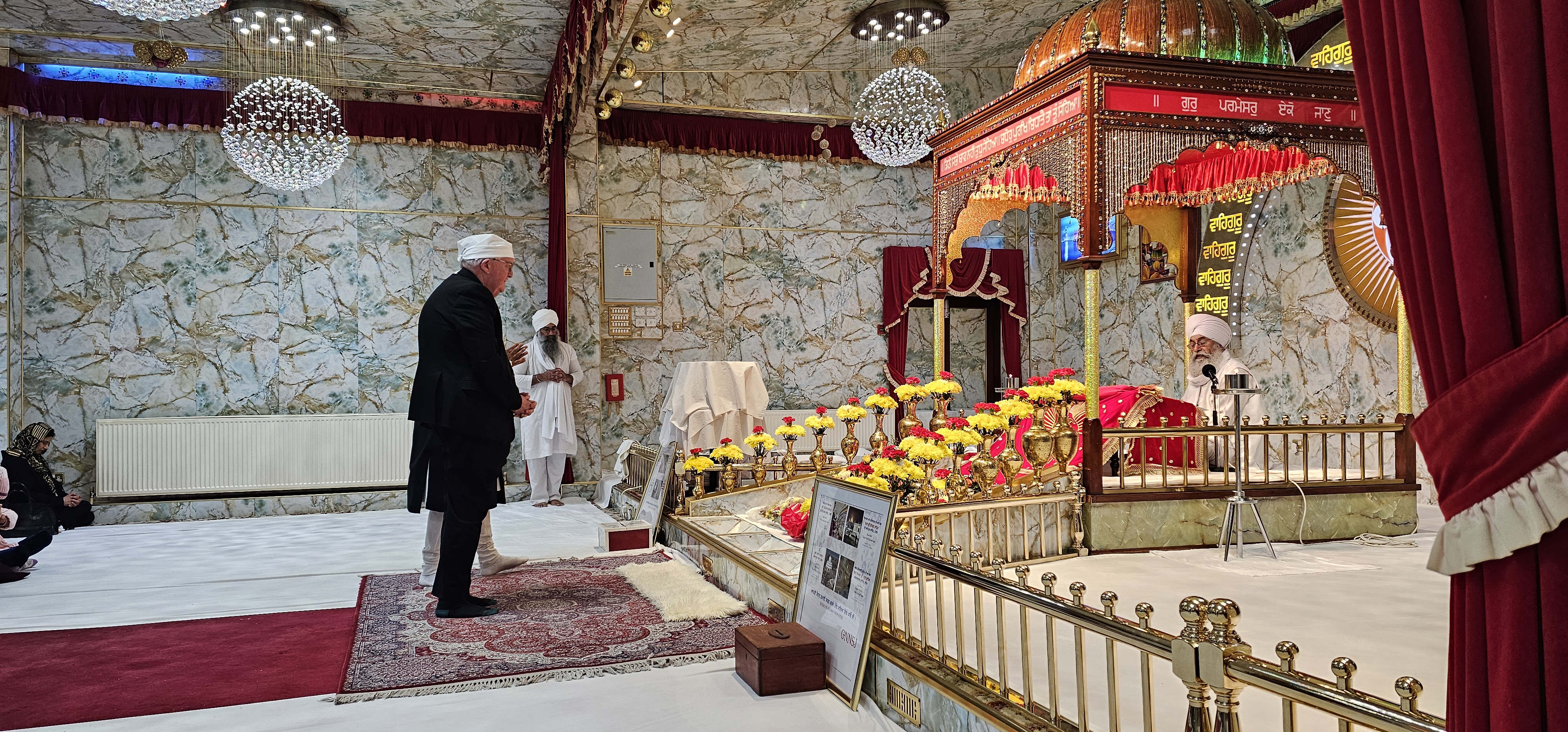
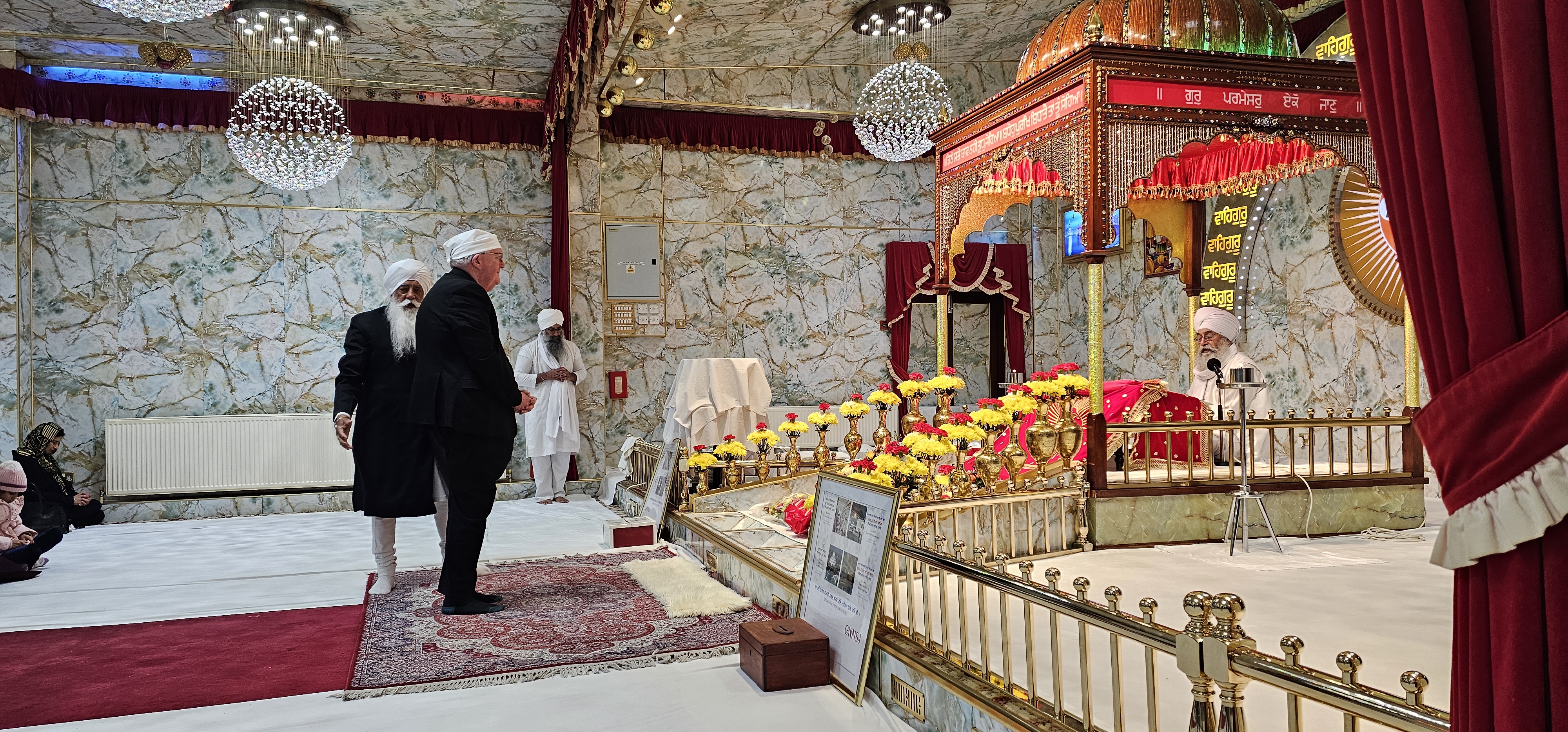
The visitors pay obeisance to Sri Guru Granth Sahib Ji in the Dome Darbar and witness the 24 Hour Nitnem Jaap

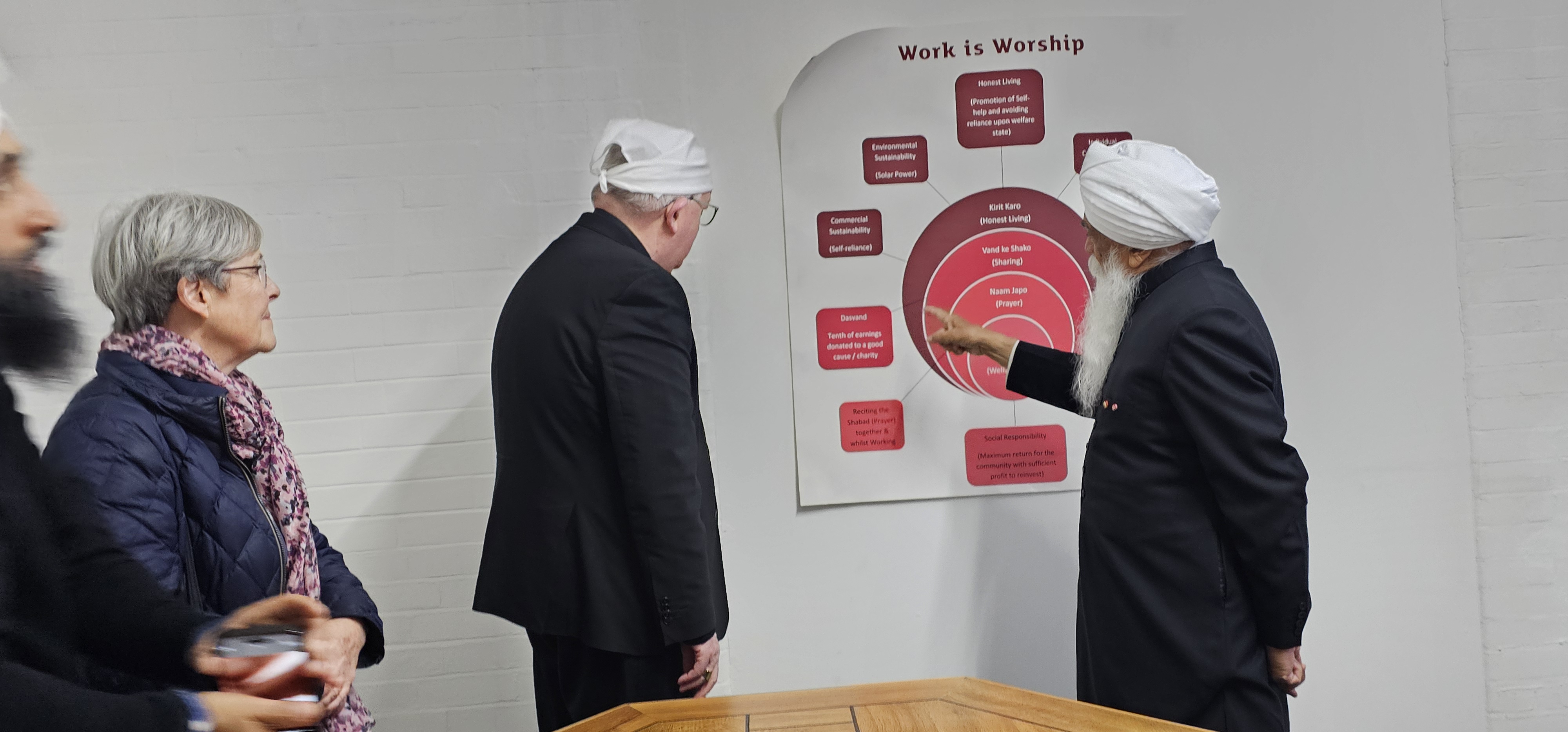
A trip to Marg Sat Santokh (MSS) the community cooperative created an opportunity to see ‘making work worship’. The specialist, artisan timber and joinery enterprise, epitomises how values are inculcated into manual work for the greater benefit.  
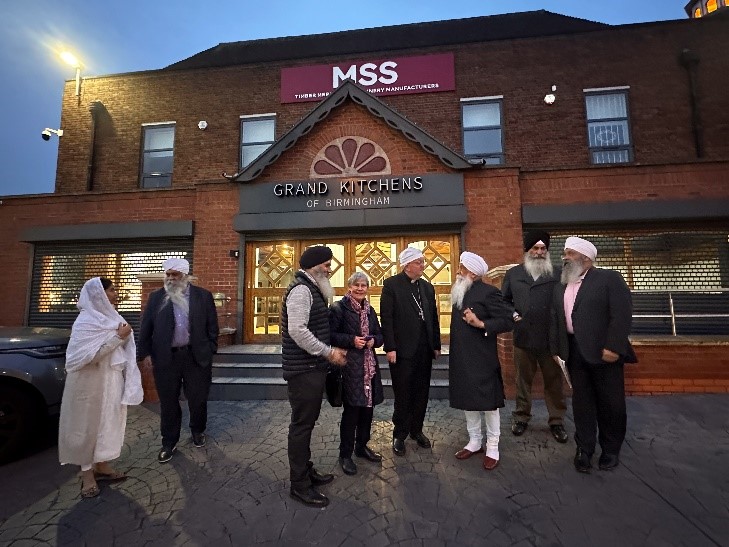
A visit to MSS, the Community Cooperative

Archbishop Longley met with Harpal Singh, Infrastructure Director, who shared the vision and Master Planning process that underpins the regeneration of the locality.  This then led to a tour of the new Nursery building being created in record time to relocate the existing provision to a new location. His Grace, witnessed firsthand the pioneering model of ‘kar sewa’ (collectively coming together to serve the Creator and the Creation on joint projects). It also highlighted an education framework that blends academic excellence with spiritual and moral development. This values-based education approach not only fosters academic growth but also emphasises character building and community responsibility. The discussion also highlighted the Nishkam community’s commitment to supporting educational initiatives beyond the UK, including their impactful work in Kenya to provide access to quality education, serving meals, providing infrastructure and furniture for underserved communities.
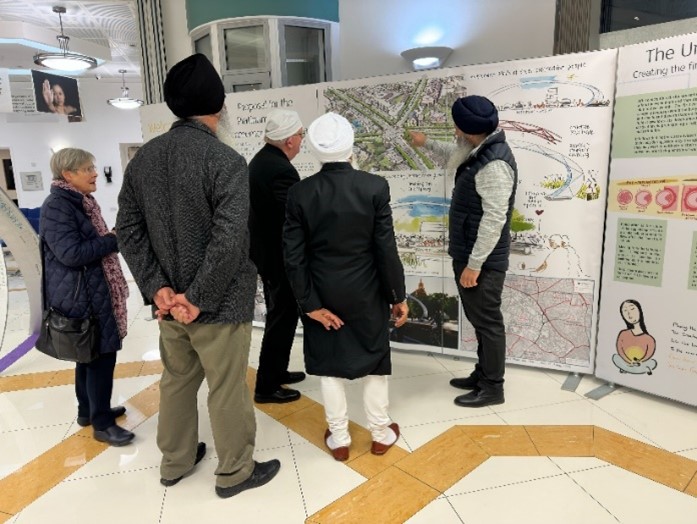
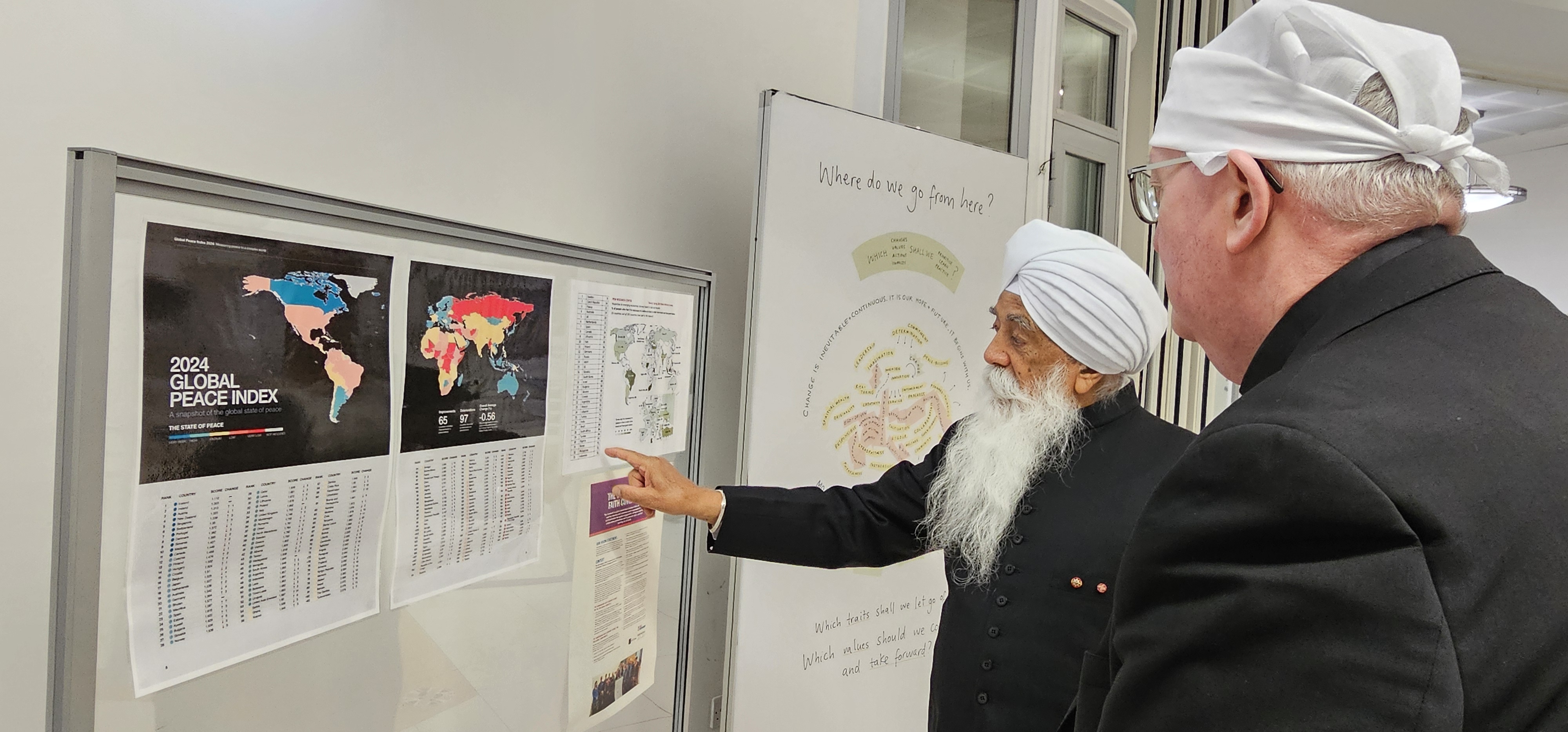
The Nishkam Centre’s Values Revolution Exhibition

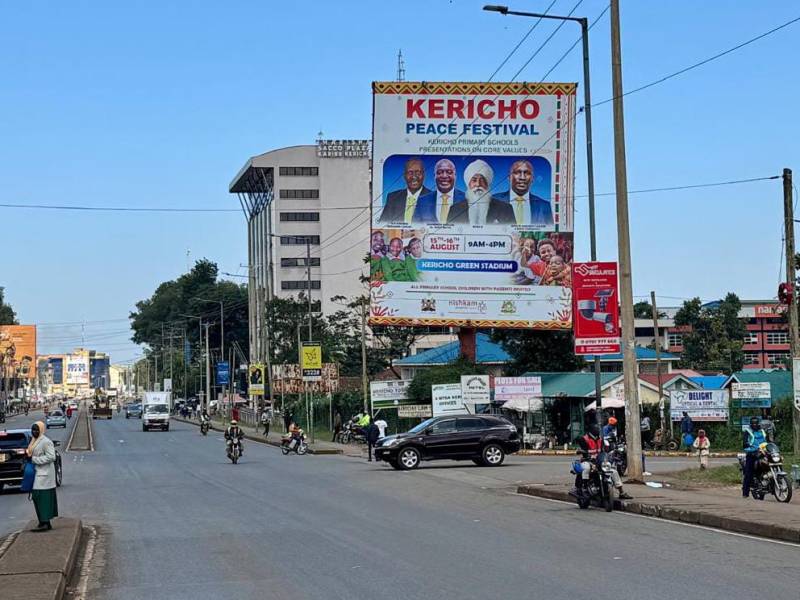
A project in Kenya that will bring the two faith traditions closer together, was the work the Nishkam Group was undertaking in Kericho County with the Catholic Archdiocese and St Patrick’s Church. This was something the Archbishop was keen to learn more about and see how a collaborative approach could be pursued.  

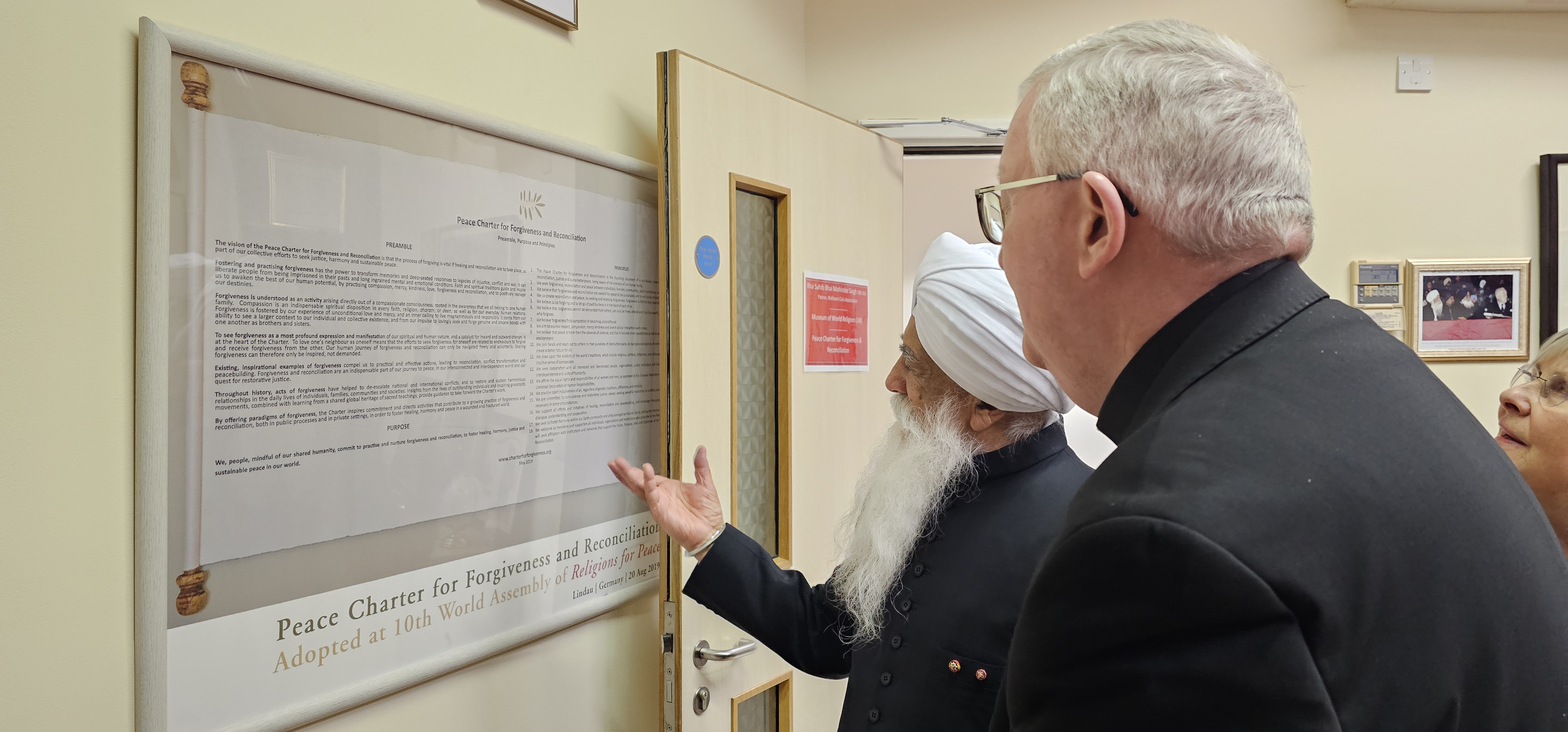
The visit concluded at the Nishkam Centre, a hub for social innovation and community outreach. Archbishop Longley explored its programs, which range from interfaith dialogues to initiatives addressing social justice and environmental sustainability. The Centre’s holistic approach to community building resonated deeply with the Archbishop’s vision of faith-driven societal transformation. A visit to the Nishkam Centre would be incomplete without seeing the Values Revolution Exhibition and to visit the Community Jubilee Archway project. Bhai Sahib Ji, then presented the Archbishop and Pat with Peace Charter scrolls.
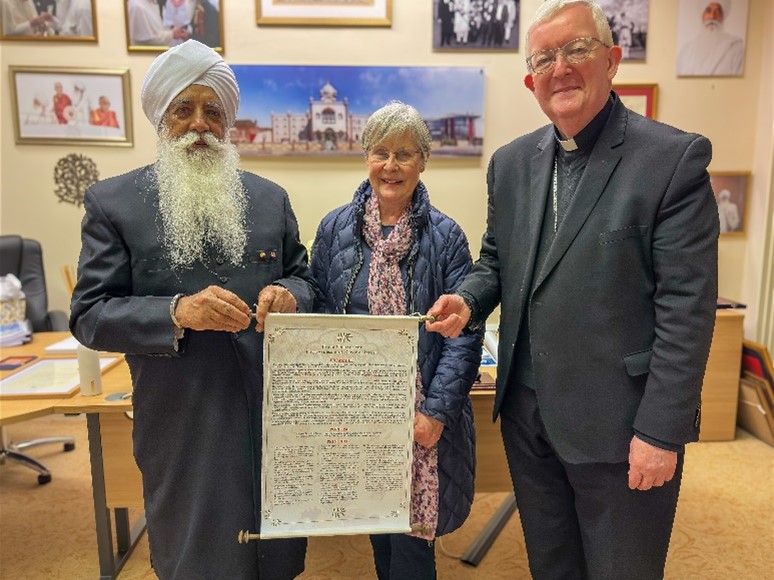
Bhai Sahib Ji present copies of the Peace Charter to the Archbishop and Pat Whitney

The Archbishop also reminded everyone of the vital role of ongoing Sikh-Catholic dialogue, which had deepened mutual understanding and cooperation between the two faith traditions, enriching the broader interfaith landscape. It was envisaged by all that in 2025 there would be more opportunities created for closer collaboration on shared objectives. 

Archbishop Longley, thanked Bhai Sahib Ji and commented the visit had been a testament to the power of faith communities working together for the common good. He was inspired by the Nishkam community’s unwavering commitment to service, education, and spiritual growth. He concluded that it was a joy to see such vibrant expressions of faith in action.
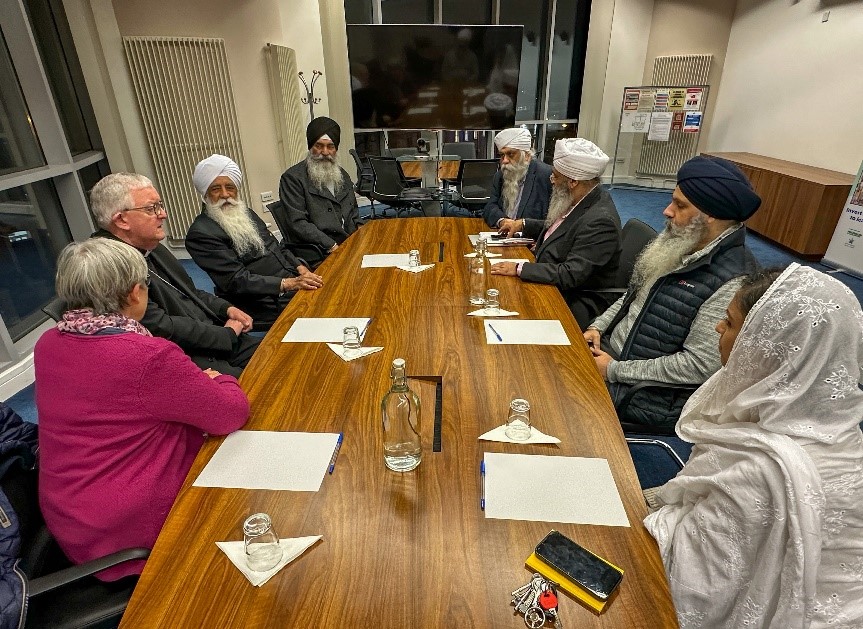
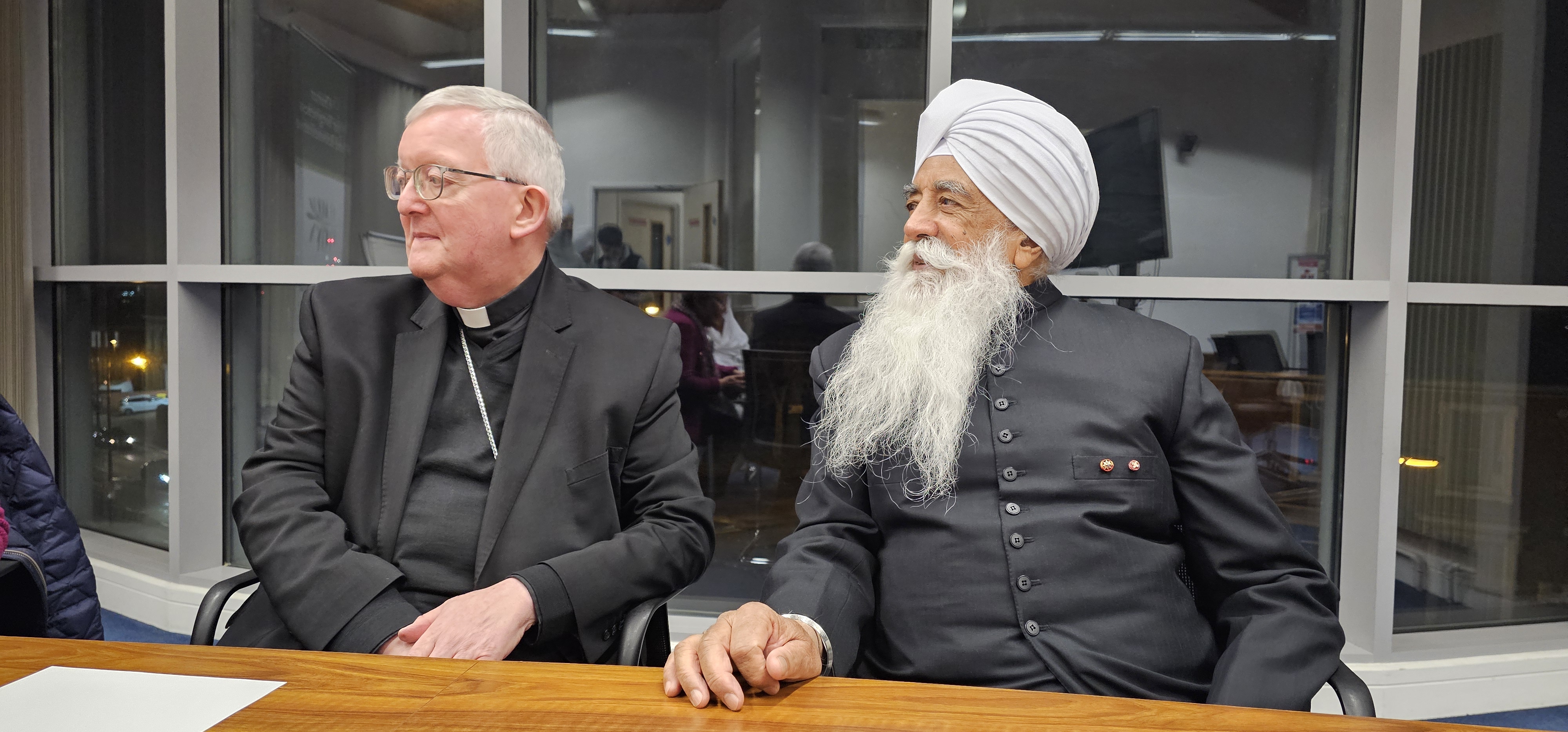
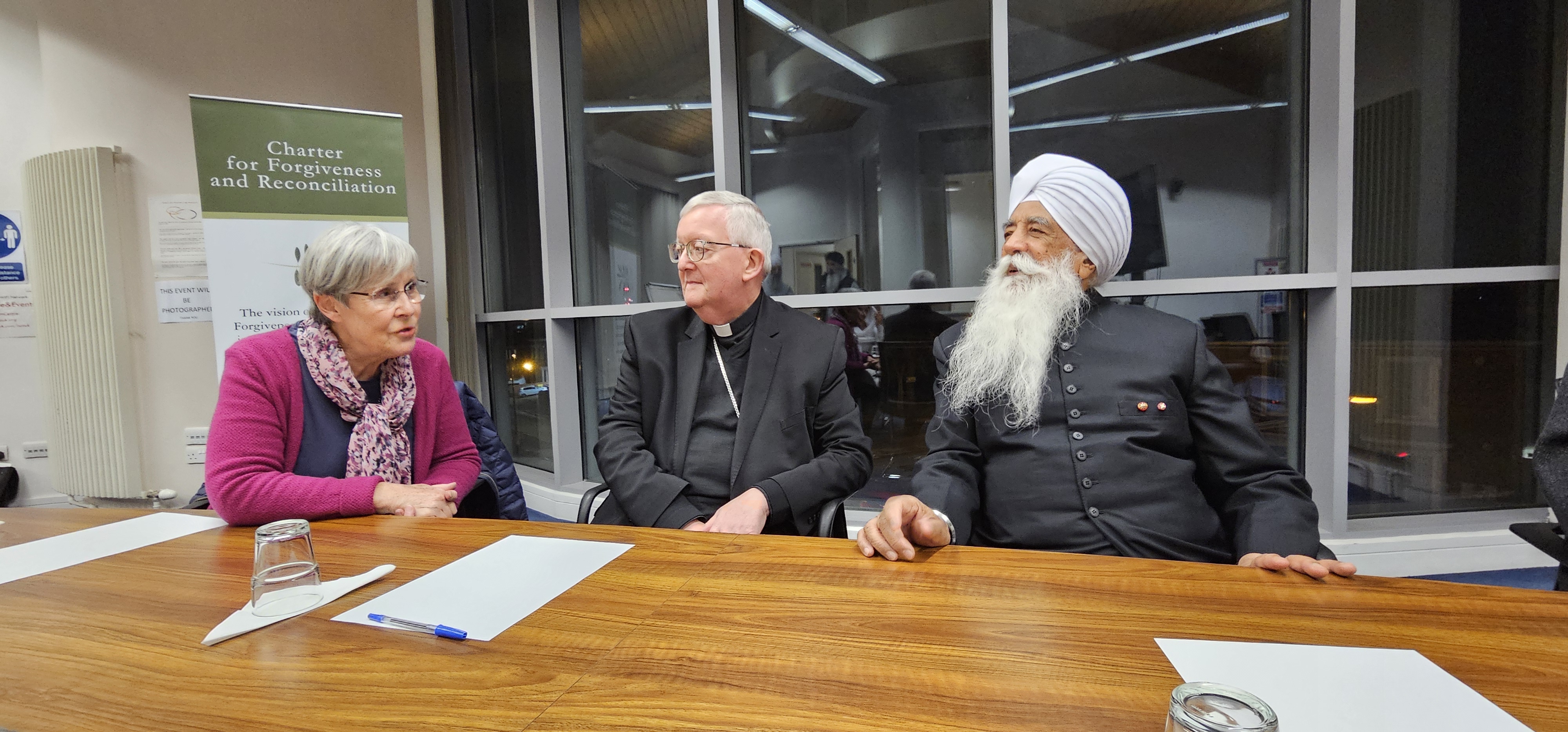
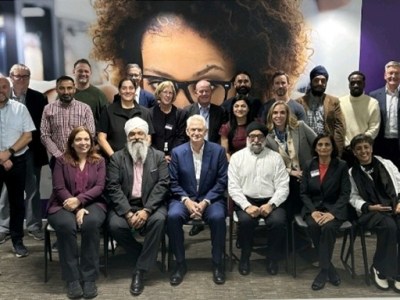
The concluding discussion over tea at the Nishkam Centre

After the visit, Bhai Sahib Ji, reflected, “The visit underscored the shared mission of different faith traditions to serve humanity and foster peace. It reaffirmed the importance of building bridges between communities to create a more harmonious and compassionate society. The emphasis on the importance of interfaith dialogue, the significance of the Birmingham Faith Leaders group and collaboration. We need to create more opportunities in fostering unity among diverse faith communities in the city, enabling collective action on issues such as social justice, peacebuilding, values development, education, poverty alleviation, and community cohesion.”

Please see more images from the visit below:
ENDS
Bishop of Birmingham visits Gurudwara Sahib ahead of eleven-day prayer service for World Peace and the Wellbeing of All Humanit

On Thursday 19th December 2024, the Nishkam Team had the honour of welcoming Bishop Michael Volland for a momentous visit to the Gurudwara and the Nishkam Campus. The visit was long overdue and highlighted interfaith collaboration and mutual respect, fostering a shared commitment to peace and service in the city. The Gurudwara Sahib will be commencing its bi-annual eleven-day prayer programme for world peace and the welfare of all humanity on the 21st December 2024.

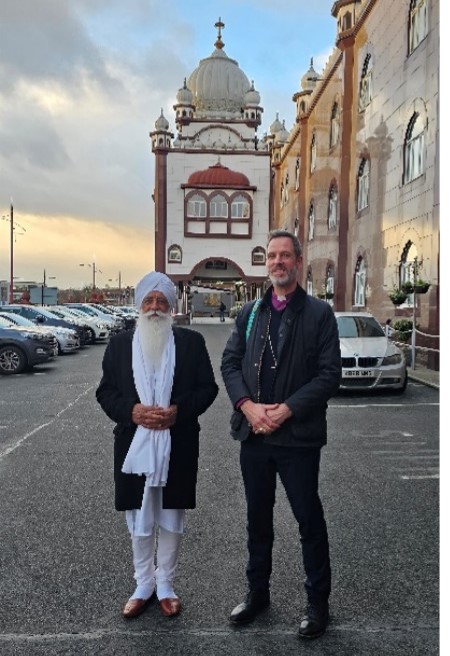
Bhai Sahib Ji and Bishop Michael outside the Gurudwara Sahib

Bishop Michael was warmly received by Bhai Sahib Mohinder Singh, Spiritual Leader and Chairman of Guru Nanak Nishkam Sewak Jatha and an esteemed global ambassador for interfaith dialogue. Their meeting was a profound exchange of ideas and aspirations, focusing on building bridges between communities and reinforcing the importance of spiritual values in contemporary society. It focused on how the two faith communities could collaborate with others in the city to build more cohesive, equitable, fairer and just places and spaces for all communities. 

Dr Gopinder Kaur accompanies the Bishop in to the main Darbar Sahib at the Gurudwara

During his visit, Bishop Michael toured the Nishkam Campus, starting with a visit to the Gurudwara Sahib and hearing about its history; the fact that 25,000 vegetarian meals a week were served as Langar; that the continuous prayers were ongoing for over 45 years; the fact that not a single person was paid a salary, and all service was provided by volunteers.

He then visited the Nishkam Healthcare Trust (NST) to see how a community group, rooted in the community, could provide essential, frontline services in a culturally appropriate and sensitive way, whilst curtailing pressures on the NHS. The NST team were proud to share that their service users were representative of the local demographics and not necessarily from the Punjabi or India diaspora as often perceived. The healthcare team also shared it was one of the early faith community vaccination centres during Covid and, probably the only one nationally that was entirely run by volunteers.  Due to pressures of time, the Bishop was made aware of the Nishkam Community Cooperative (Marg Sat Santokh), which was set up to provide employment opportunities and was a trailblazer when first established in the mid-80’s.   

A memorable opportunity for a picture on the roof
of the Gurudwara Sahib

The entourage then went to the Nishkam Primary School, where they were received by the Headteacher, Gurpreet Kaur. She explained the unique offer of a Sikh ethos, multifaith, values-based education that underpins the Nishkam Education Trust; this was clearly demonstrated, observed and commented upon by Bishop Michael during his visit.  

Bishop Michael stated, “The work being done here at the Nishkam Campus is truly inspiring and thank you for sharing it with us today. It is a testament to how faith communities can lead by example in creating a world of compassion, inclusion, and service to humanity.”

Gurpreet Kaur welcomes the Bishop to the Nishkam School and shares highlights of working with St Micheal’s School and Church

Bhai Sahib Mohinder Singh expressed his gratitude for the visit, saying, “Today’s meeting is a reflection of the unity that is possible when we focus on what binds us together as humans, rather than what divides us. It is through dialogue and collaboration that we can address the challenges of our time. We see each other at the Birmingham Faith Leaders Group and other City events, but never get a chance for deep conversation or discussion, today was a great opportunity to get to know each other.”

The visit concluded with a trip to the Nishkam Centre to see the Values Revolution exhibition and to visit the Community Jubilee Archway project. Bhai Sahib Ji, then presented the Bishop with a very special Peace Charter scroll that had been personally blessed by Pope Francis.   

Bhai Sahib Ji and Bishop Michael share a moments reflection looking out at the Gurudwara and Nishkam Campus

Amrick Singh, Director of Nishkam Civic Engagement and Partnerships said, “It was insightful to see both leaders emphasise the importance of continuing such dialogues to inspire collective action for a better future and strengthening already existing strong bonds. The fact that we are looking at innovative projects and tasks together, is uplifting and gives hope. One social housing project that was discussed has the potential to be the first of its kind in the country and has already attracted national interest. I’m glad Bhai Sahib Ji shared the concept of Kar Sewa (collectively coming together to serve the Creator and the Creation on joint projects) during the discussions”.

The Nishkam Centre and the Campus remains a beacon of hope and a hub for community transformation, upholding the values of selfless service, spiritual enrichment whilst tackling injustice, inequalities and empowering communities.

An opportunity to see the Values Revolution Exhibition and the Community Jubilee Archway

ENDS
ECRL Annual Meeting 2024 Concludes with a Call for Unity in Addressing Societal Challenges

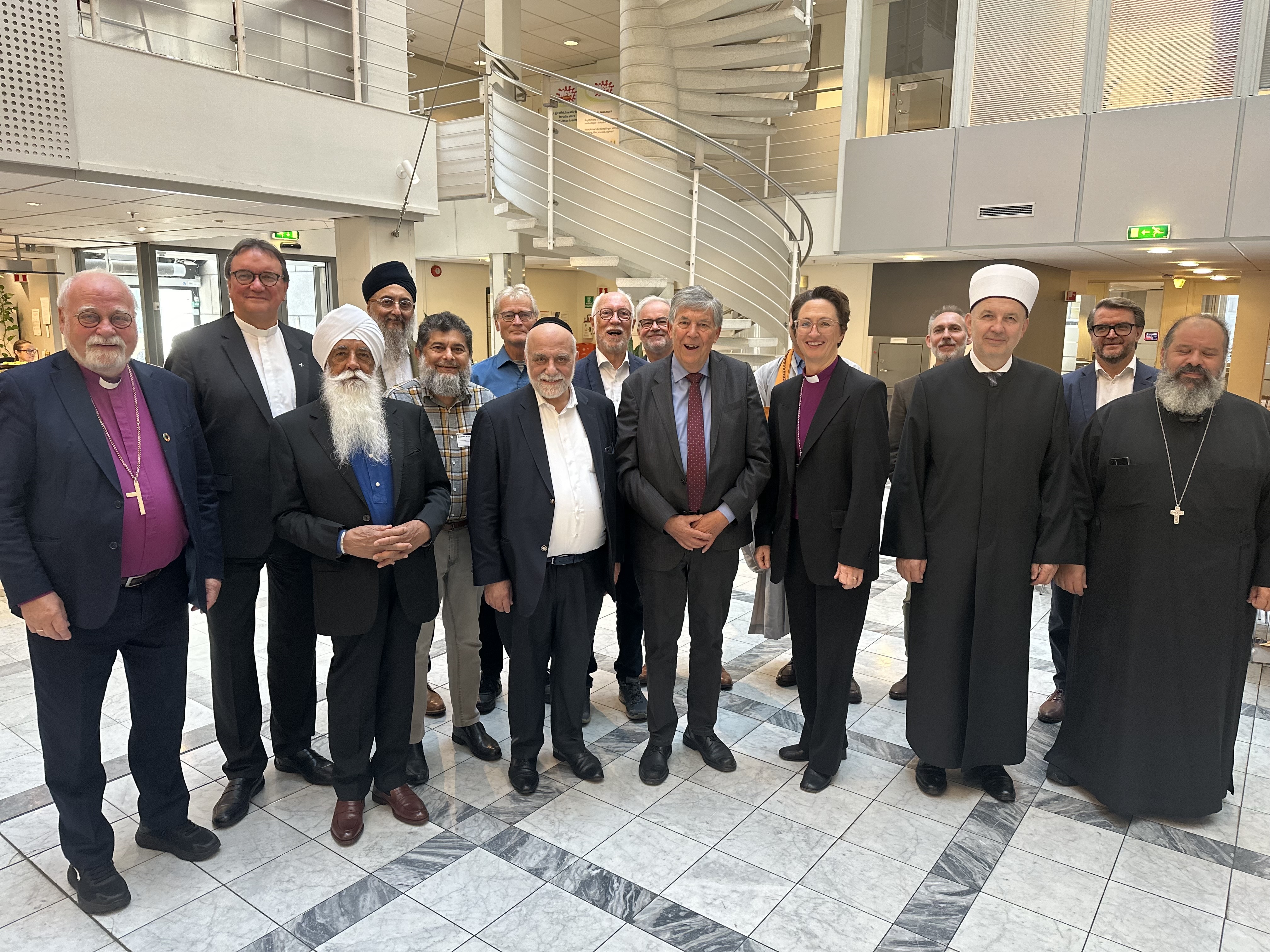
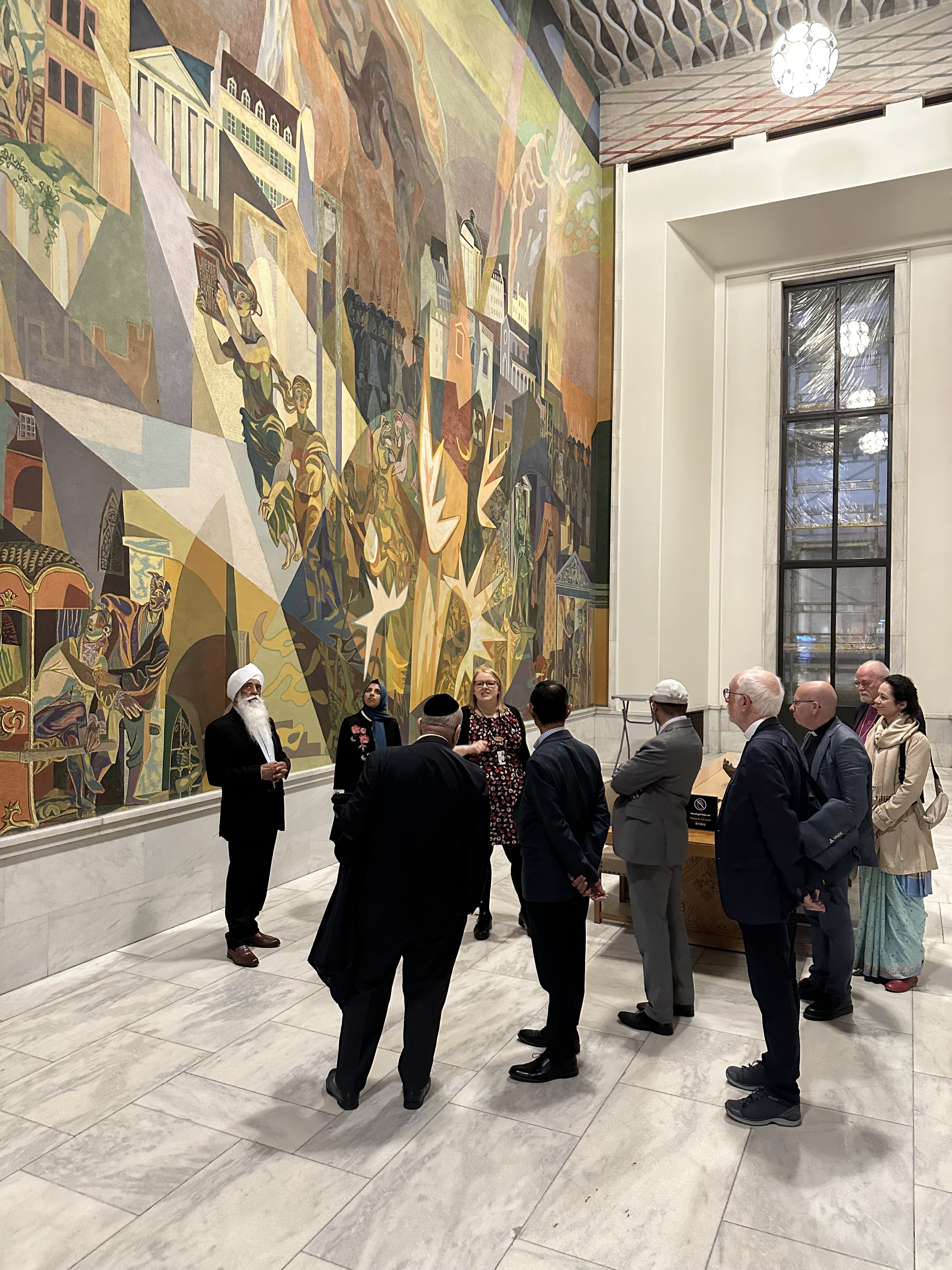
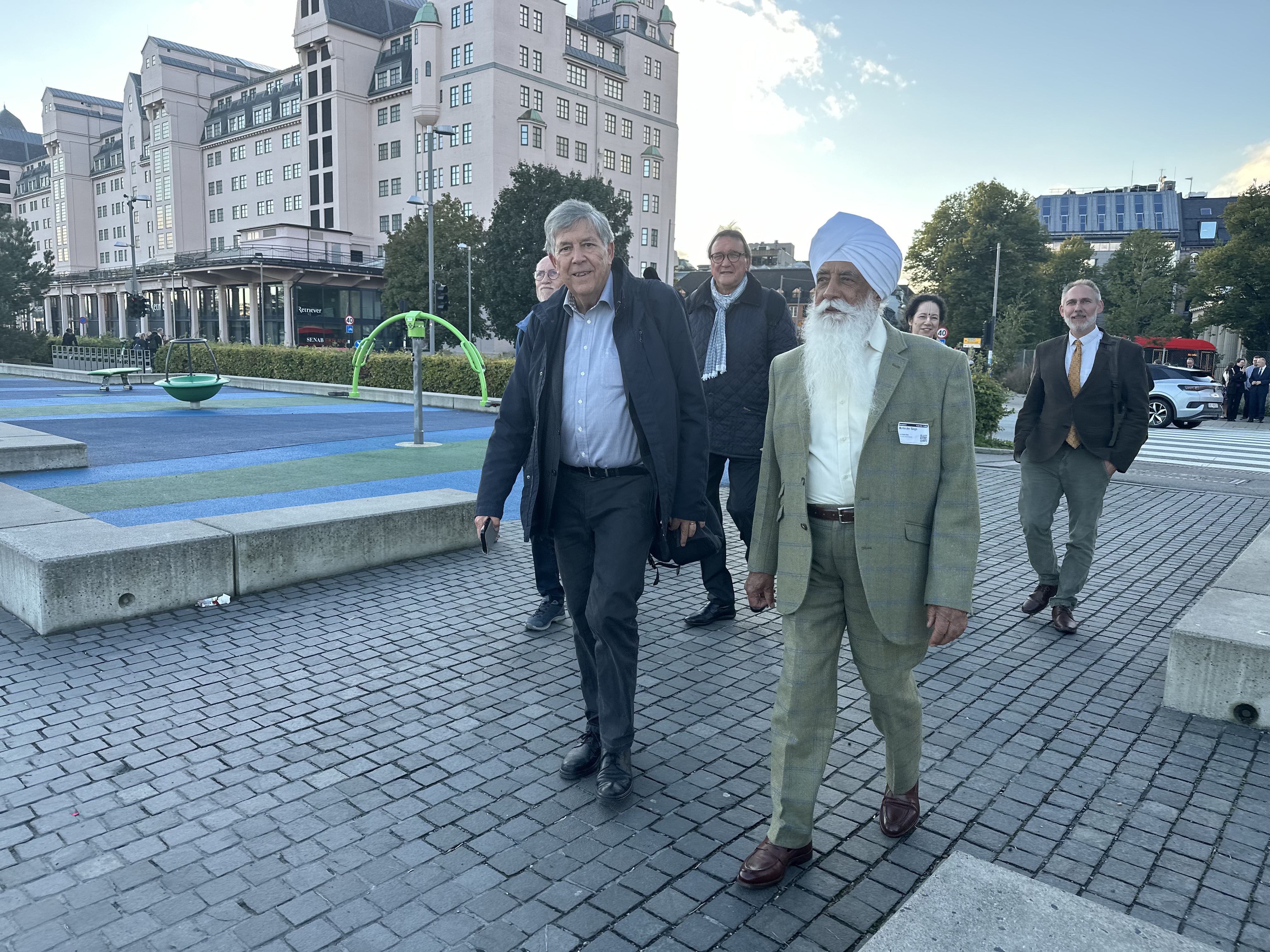
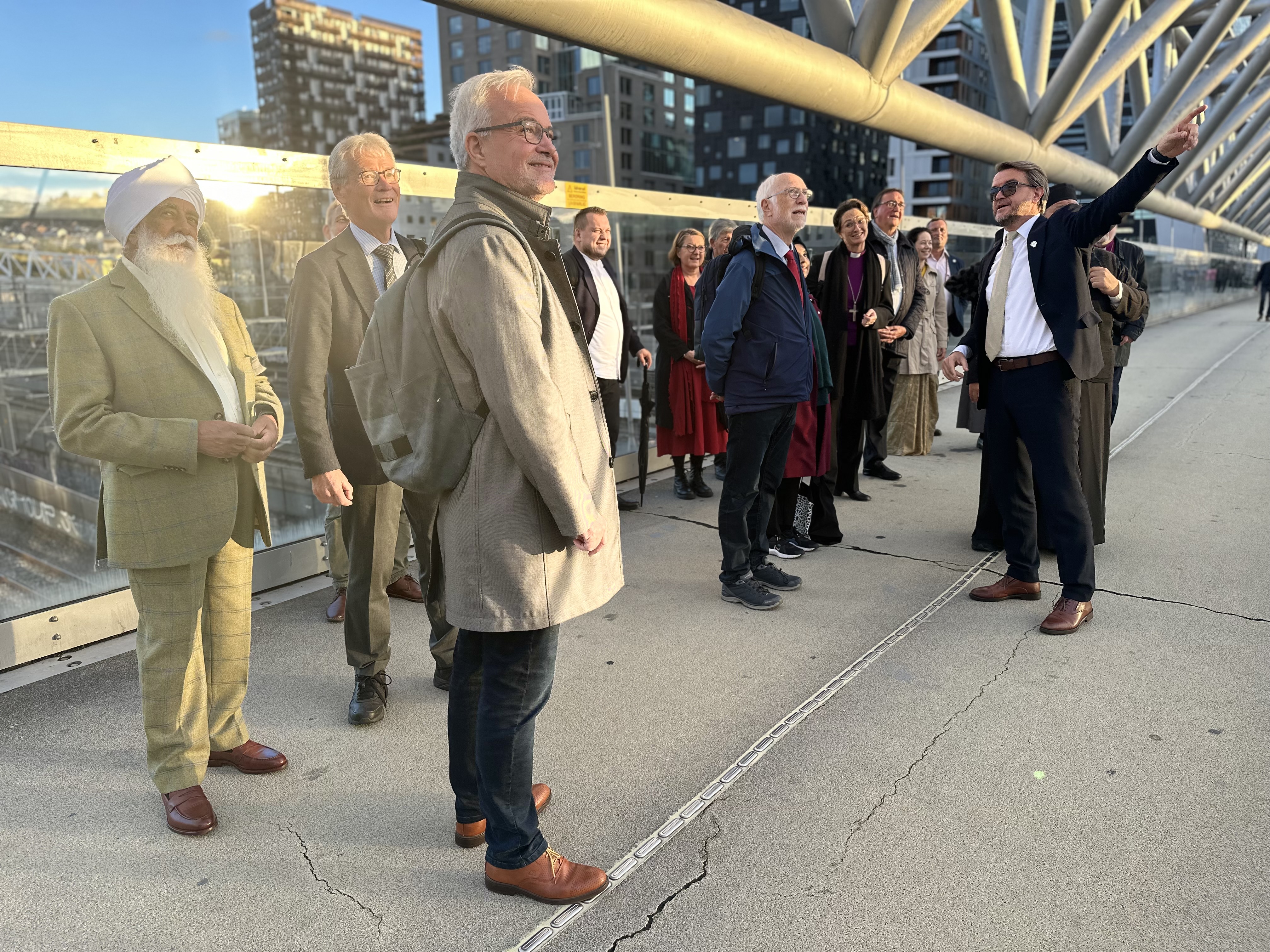
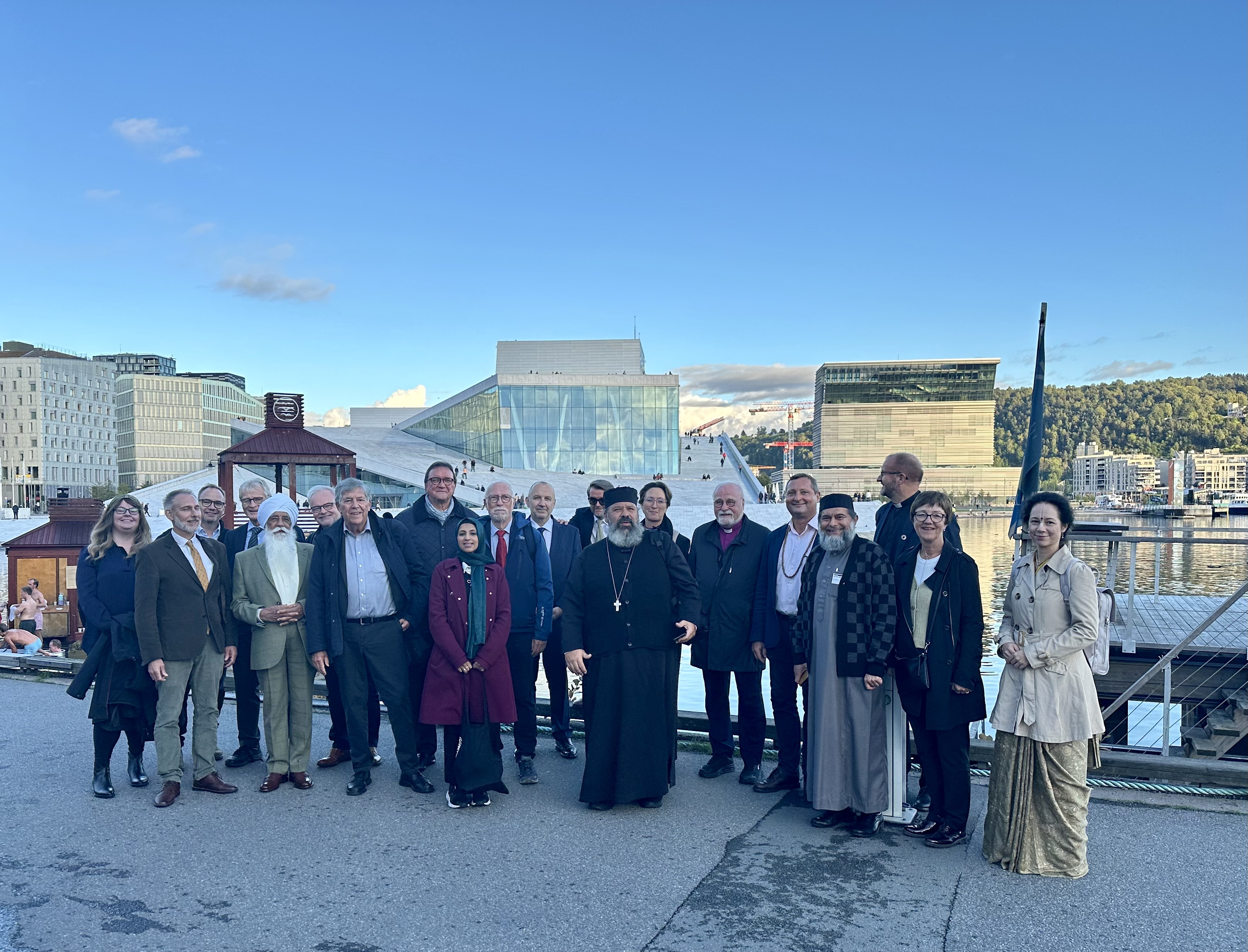
Bhai Sahib (Prof) Mohinder Singh OBE KSG, a founding member of the European Council of Religious Leaders (ECRL), attended the ECRLs Annual Meeting held from September 16 to 18, 2024, in Oslo, Norway. Bhai Sahib Ji has been an active participant of the ECRL for over 20 years.

This year’s gathering focused on ‘The Changing Face of Societies and Communities in Europe: Exploring the Religious Response to Challenges and Opportunities of Change,’ and bought together diverse faith leaders who helped address the evolving dynamics within European communities.

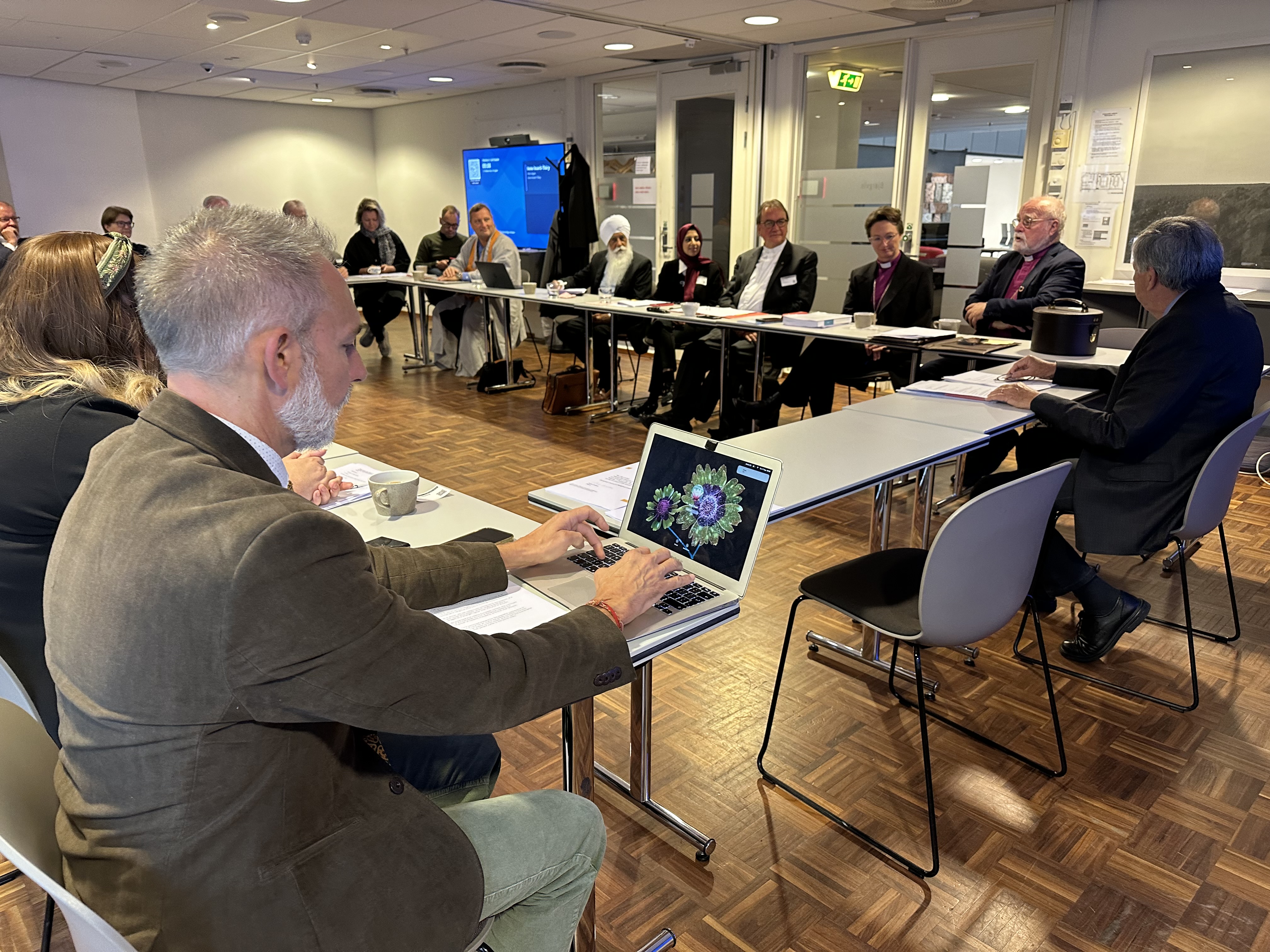
The meeting began with contributions from ECRL members, setting the tone for a rich dialogue on the societal transformations currently underway in Europe. Professor Sturla Stålsett’s presentation on public policy regarding religion and belief in Norway sparked significant discussion on commitment, plurality, and equal treatment among faith communities.

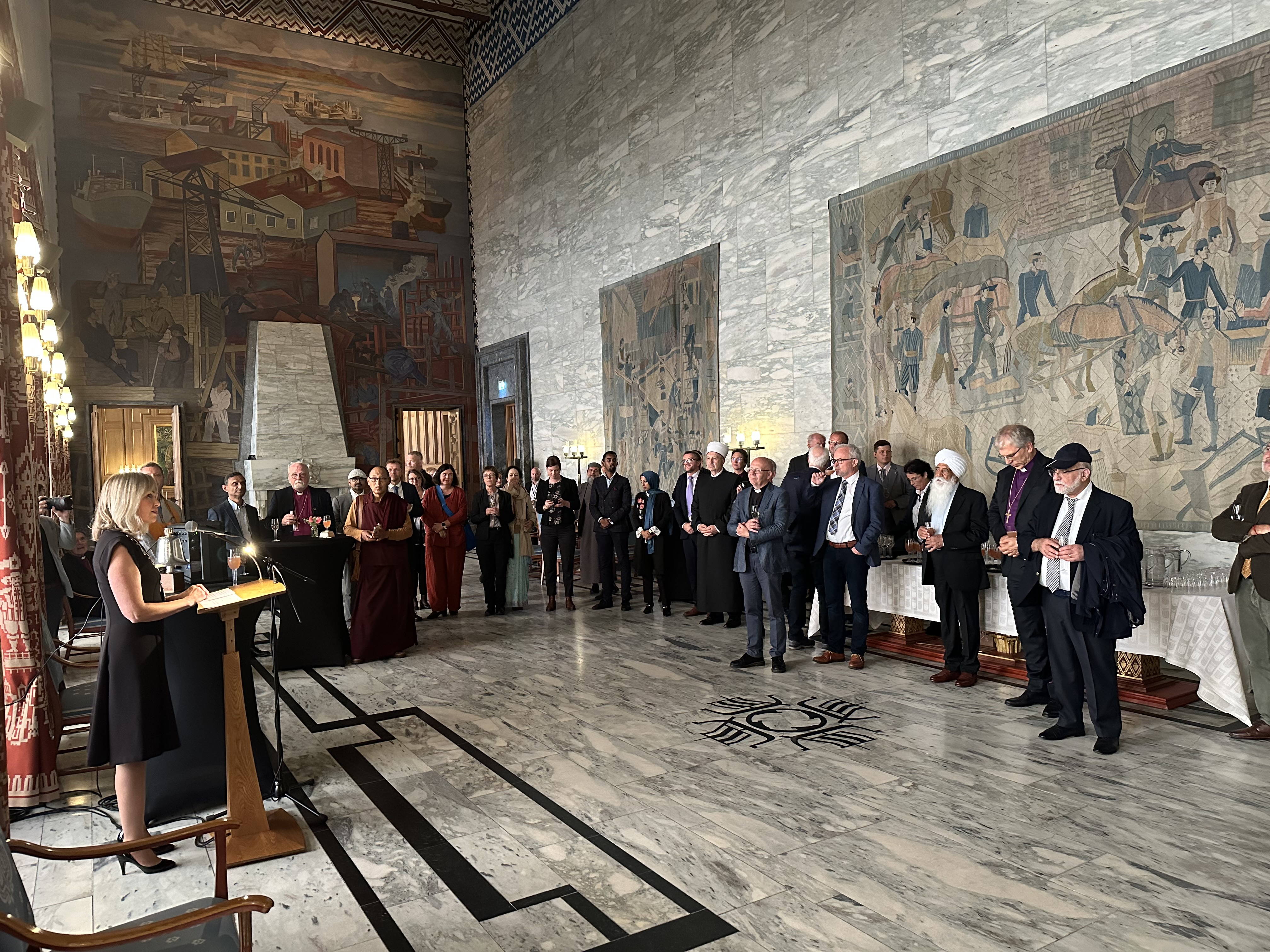
A highlight of the event was the evening program at the ICC Mosque, where attendees engaged in a guided tour and insightful presentations on the situation of Muslims in Norway. Imam Senaid Kobilica and Niels Fredrik Skarre shared valuable perspectives on building dialogue and coalition among diverse religious and life stance communities.

Throughout the meeting, participants focused on pressing topics, including strategies to combat extremism and enhance interfaith collaboration. Borg Bishop Kari Mangrud Alvsvåg’s presentation on joint efforts against extremism set a collaborative tone for the discussions that followed.

The plenary session resulted in a strong public statement, reflecting the collective commitment of faith leaders to address societal challenges through unity and cooperation. The election of a new ECRL President further underscored the Council’s dedication to fostering interfaith dialogue and response to the needs of contemporary European society.

Closed-door dialogues provided a platform for candid discussions on critical issues, including the ongoing conflict in Ukraine, demonstrating the importance of religious leaders in advocating for peace and understanding amidst adversity.

The ECRL Annual Meeting reaffirmed the shared responsibility to lead with compassion and cooperation whilst navigating the complexities of changing societies and offering meaningful responses to current and future challenges.

The Council looks forward to continuing its mission of promoting peace, dialogue, and collaboration among diverse faith communities across Europe.

Ends

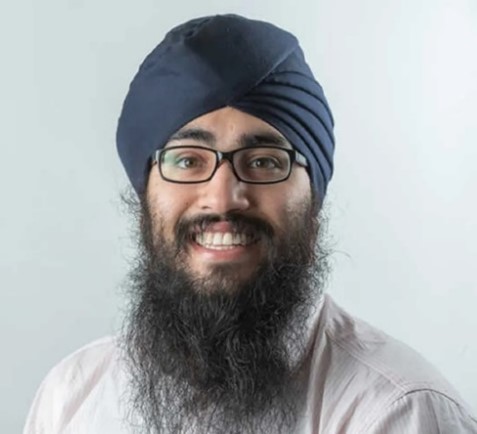
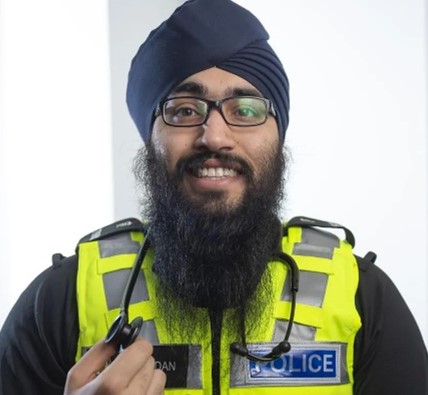
Joht Singh Chandan, aged 32 years, becomes the youngest medical professor in the UK

Professor Joht Singh Chandan – a Sikh faith practitioner, devoted Nishkam (selfless) volunteer and dedicated Birmingham resident – has made history by becoming the youngest medical professor in the UK at just 32 years of age.

Specialising in research on health inequalities and violence prevention, Professor Chandan was recently appointed as Clinical Professor of Public Health at the University of Birmingham.

Driven by a passion to support community wellbeing, he has secured over £19 million in funding and published influential work on the health impacts faced by women and children who are survivors of violence. His understanding of the needs of vulnerable people and commitment to public health is further shaped and strengthened by his ongoing role as a Special Detective Constable with Midlands Police.

Born in Birmingham, Joht Singh studied at King Edward’s Camp Hill School for Boys before going on to study medicine at the University of Birmingham. In addition to his academic and professional pursuits, he has been a longstanding member of Guru Nanak Nishkam Sewak Jatha (GNNSJ), regularly taking part in prayer services, kirtan (devotional singing) and sewa (selfless service and volunteering) since a young age.

Join us in prayer on Sunday 13th October, 1.30pm – 3pm at GNNSJ, to celebrate Professor Joht Singh Chandan’s incredible achievements and his unwavering commitment to improving health outcomes in the superdiverse city of Birmingham and beyond.

For further information please see link: https://www.birmingham.ac.uk/news/2024/birmingham-academic-becomes-youngest-uk-clinical-professor

GNNSJ joins global call for Ethical AI in Hiroshima, Japan

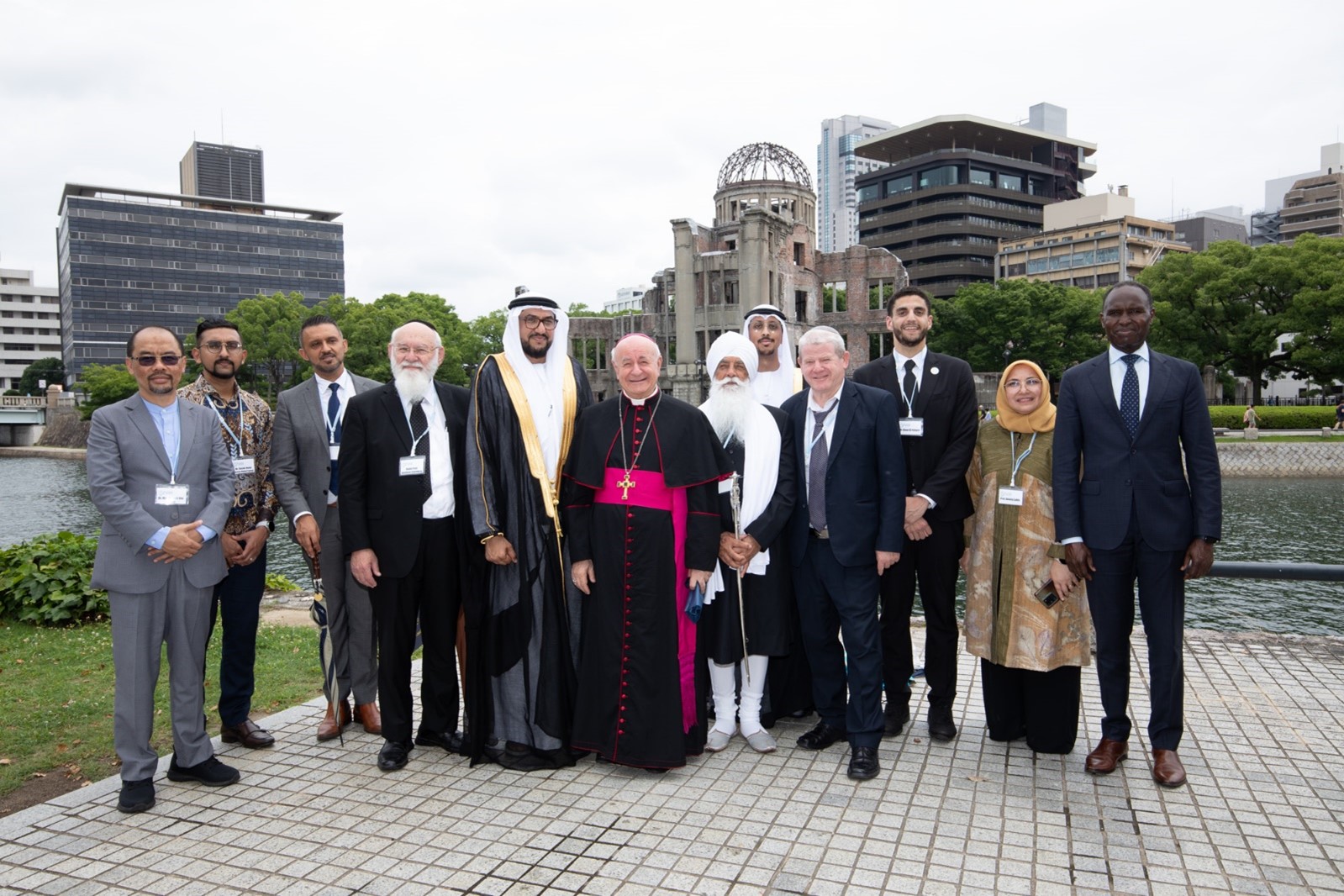
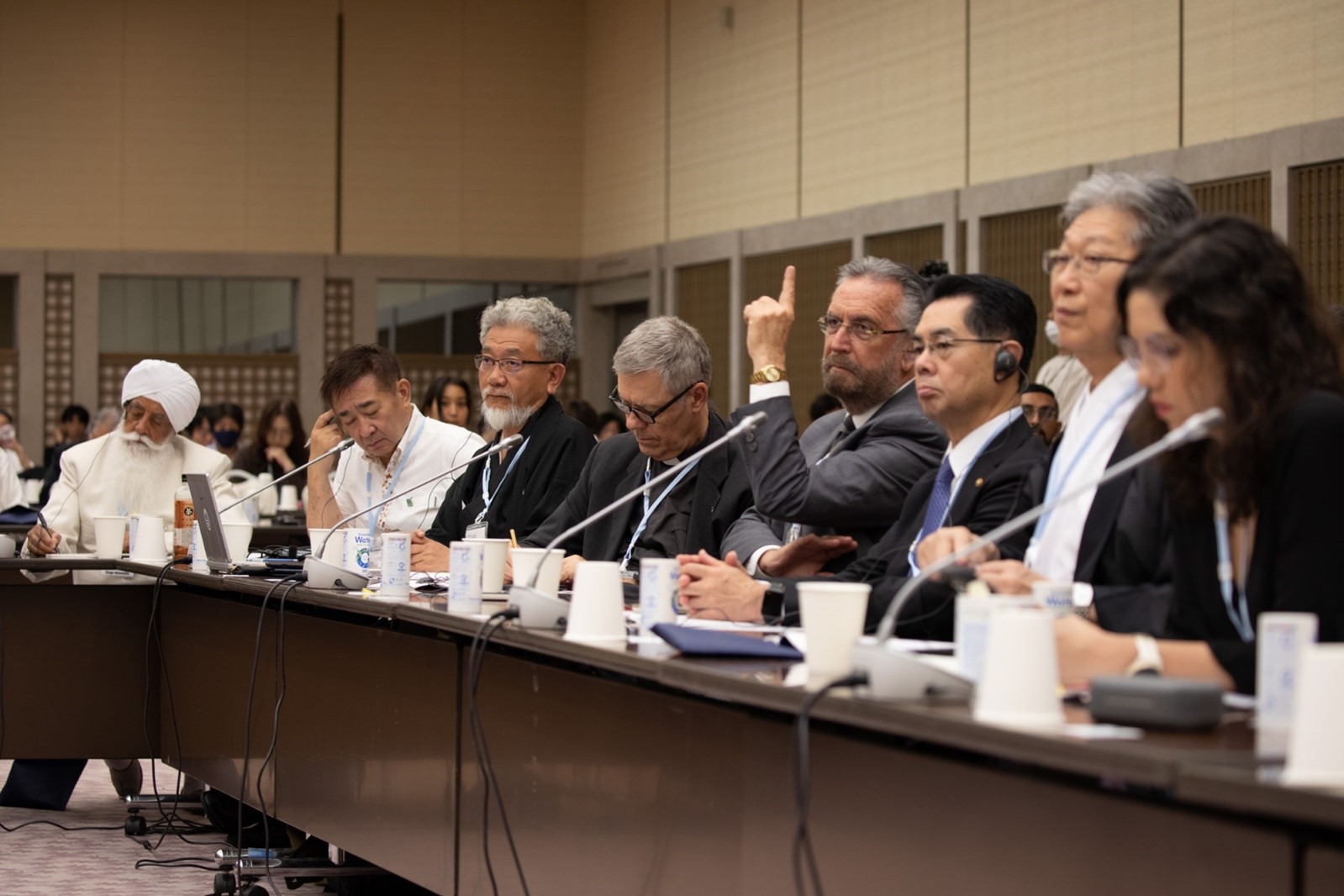
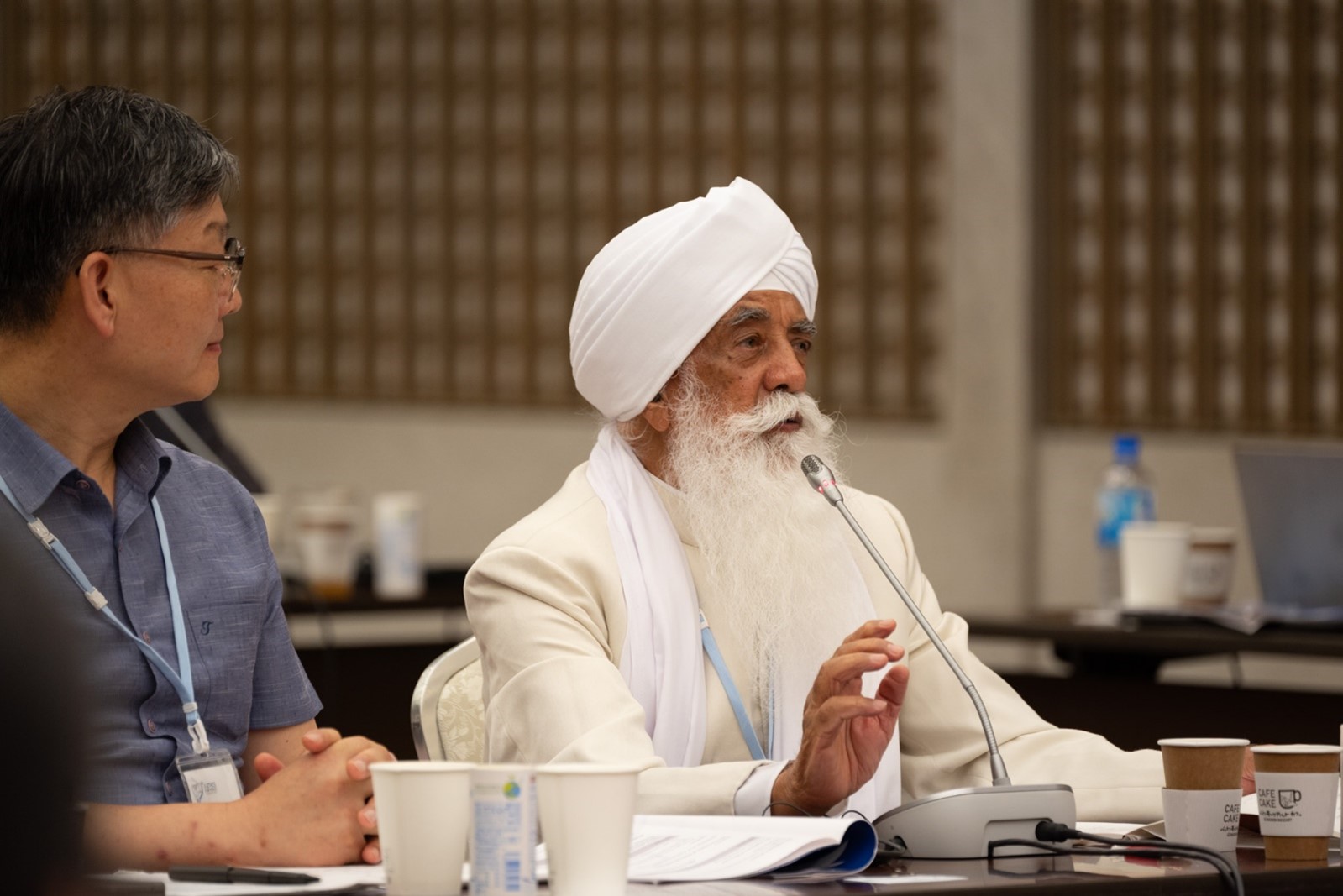
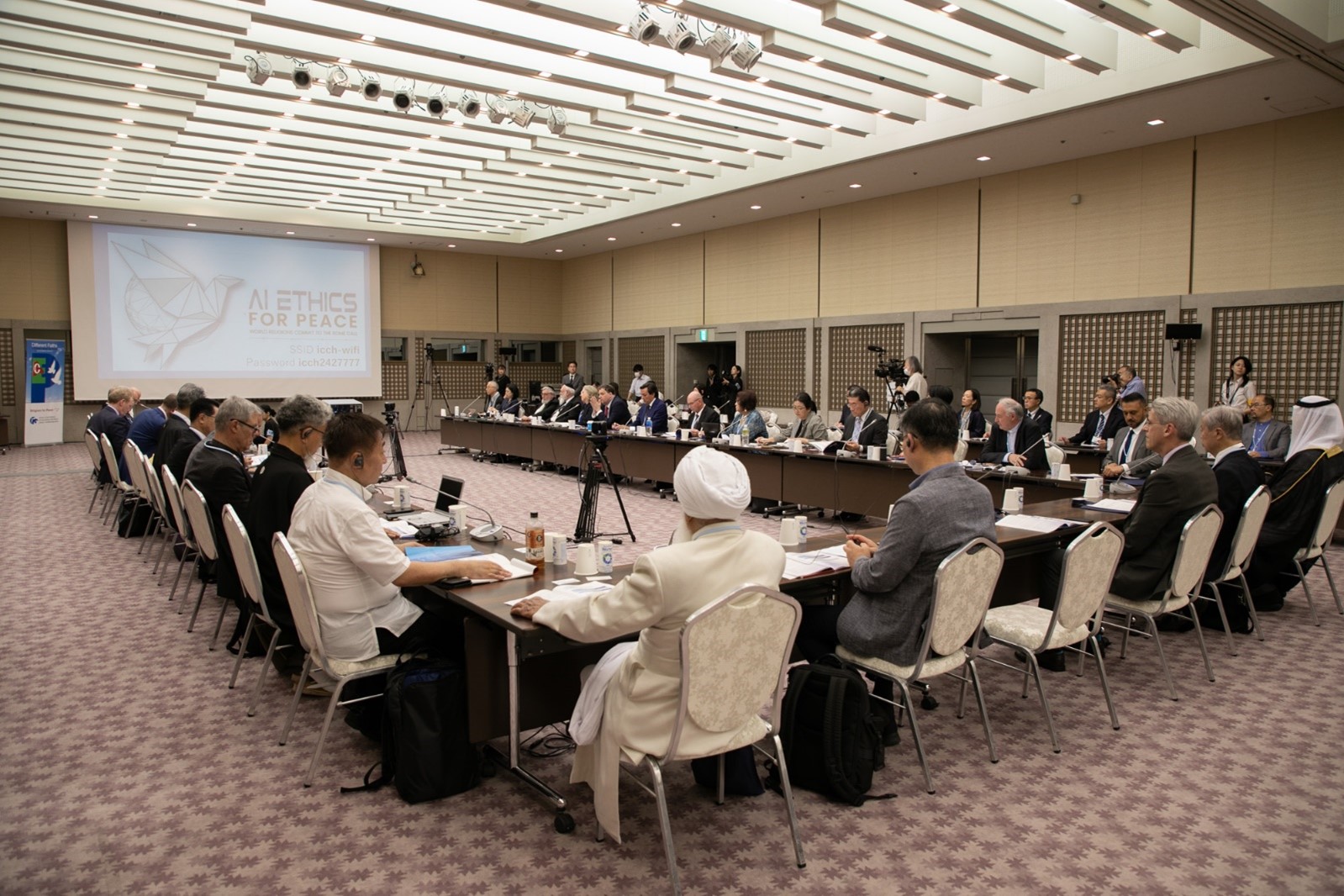
On 10th July 2024, Bhai Sahib (Prof) Mohinder Singh Ahluwalia OBE KSG, Chairman of Guru Nanak Nishkam Sewak Jatha (GNNSJ) and Co-President of Religions for Peace International, participated as the only British Sikh in a historic gathering of leaders from major Eastern religions.

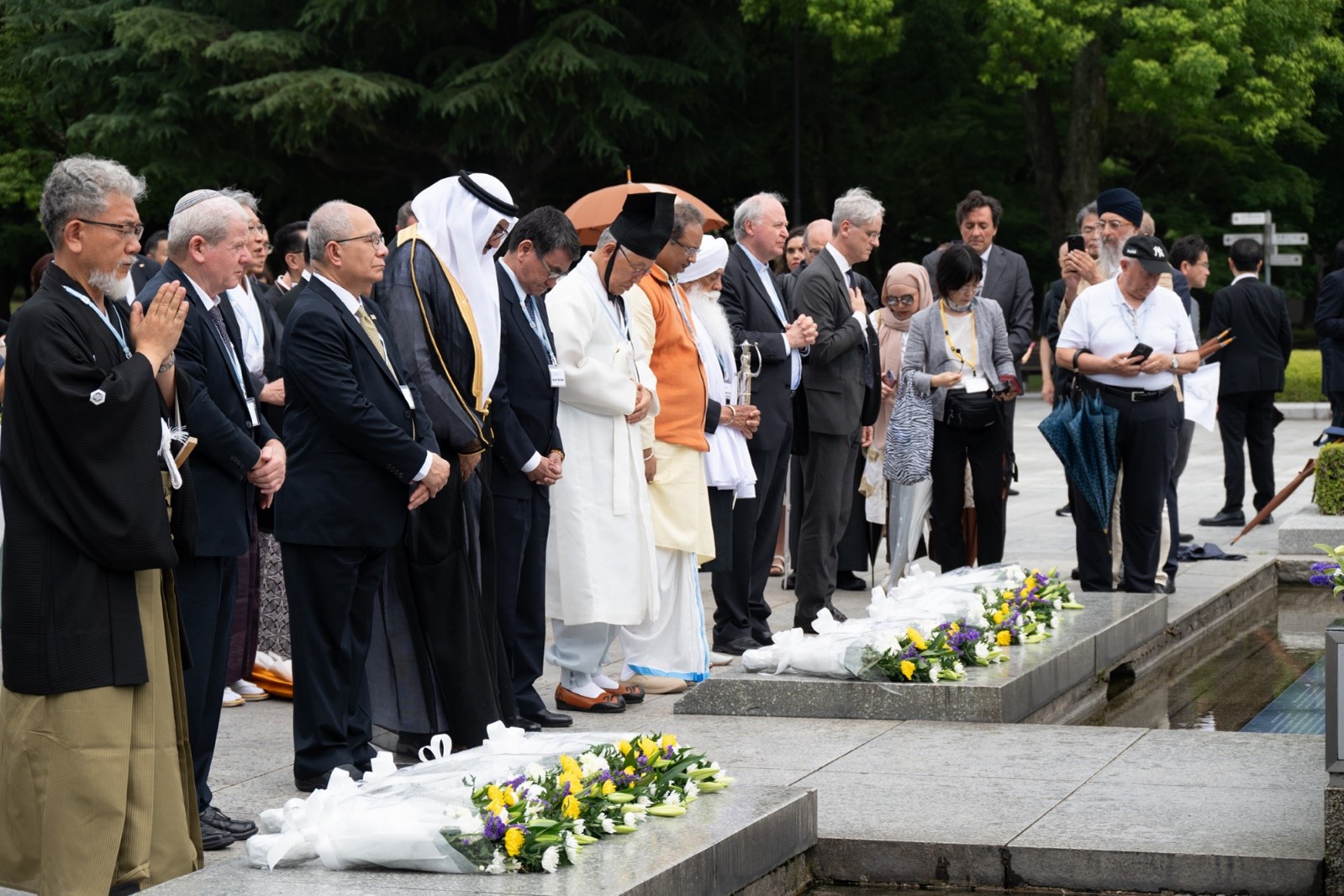
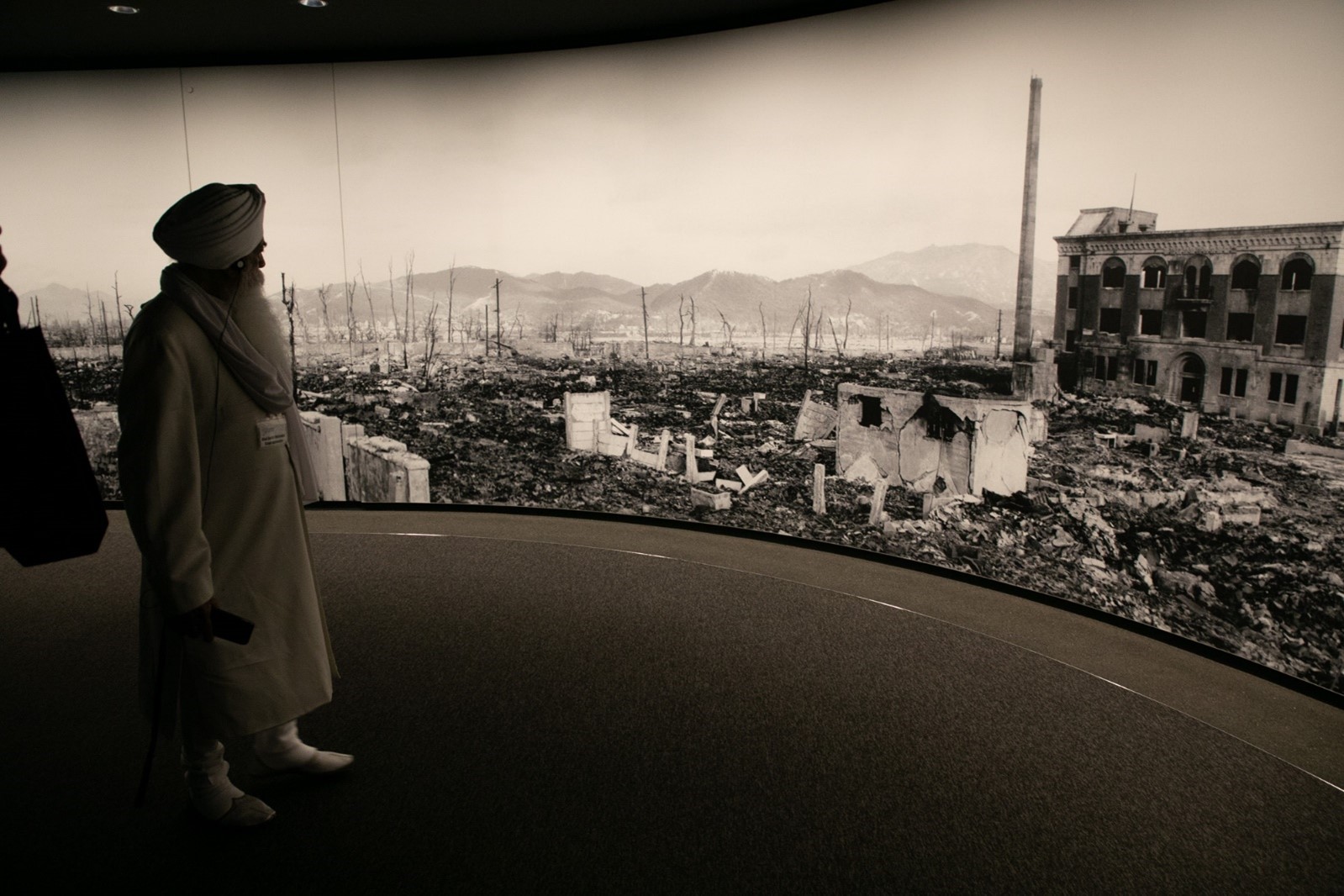
More than a dozen leaders from various religions with roots in Asia, including Buddhist, Sikh and Shinto groups, gathered at the Peace Park in Hiroshima, which was decimated by a US nuclear bomb attack in 1945.

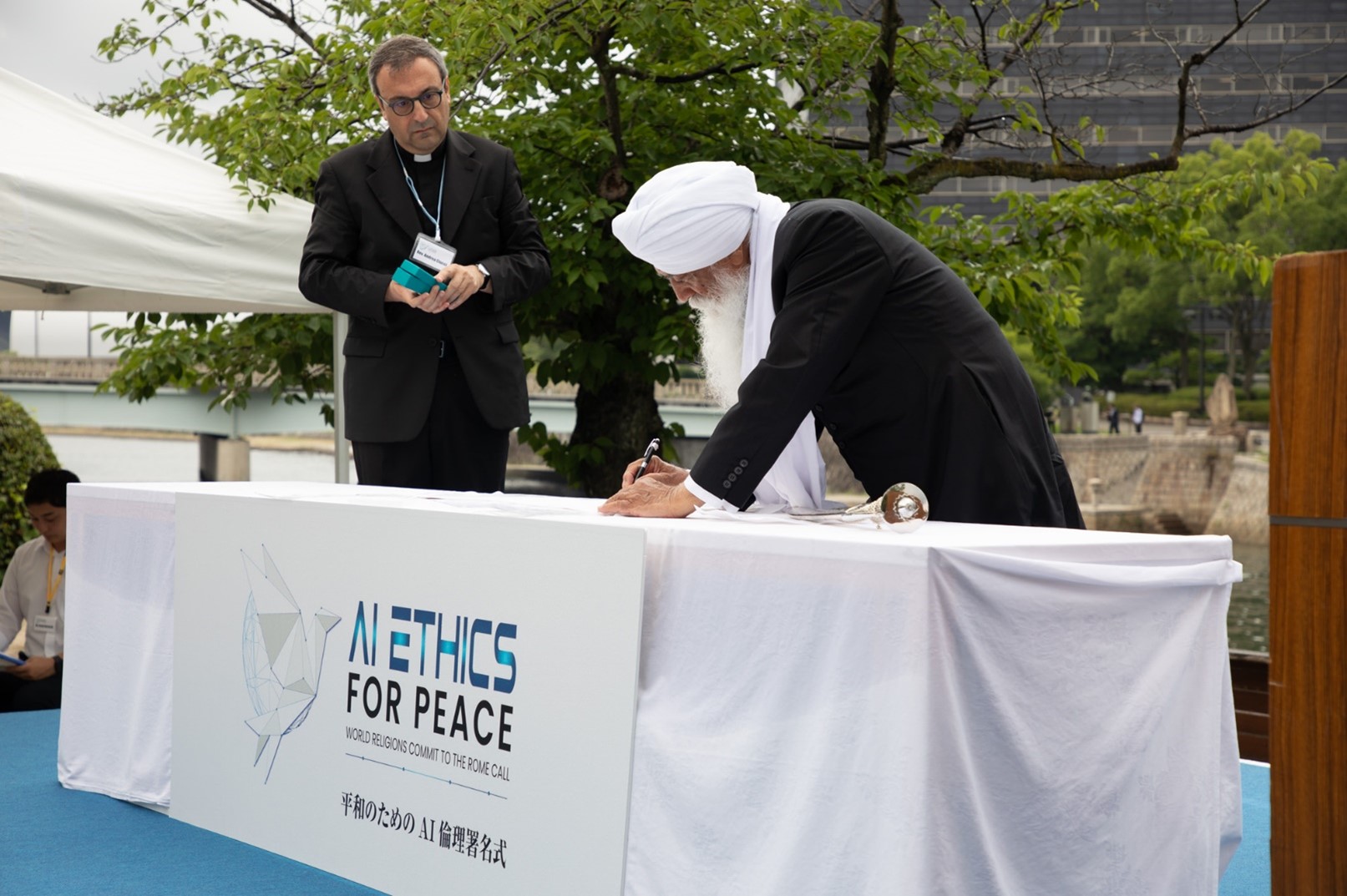
Together, they signed a charter advocating for the development and ethical use of AI, with a special emphasis on aiding the world’s most disadvantaged communities. This initiative, conceived by the Vatican, builds upon commitments made in 2020 by Abrahamic traditions and leading tech companies such as Microsoft, IBM, and Cisco, who endorsed the Rome Call for AI Ethics.

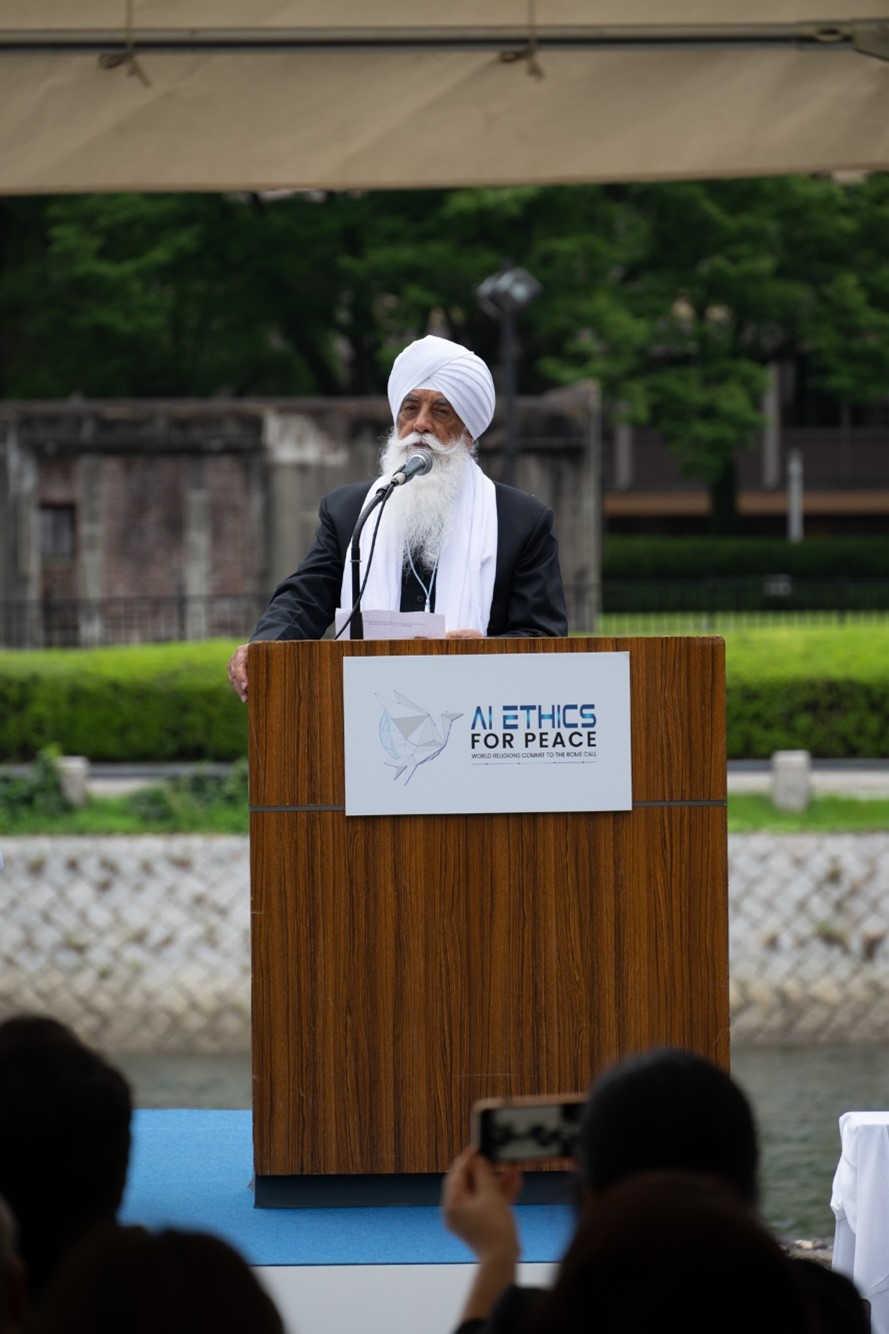
Bhai Sahib Bhai Mohinder Singh, chair of the Sikh organisation Guru Nanak Nishkam Sewak Jatha, told the ceremony that the Rome Call for AI Ethics “provides a much-needed global moral check”

At the G7 summit last month in Italy, Pope Francis made an unprecedented address on AI ethical concerns surrounding artificial intelligence, becoming the first pope to participate in the summit of leaders.

As AI transforms industries globally, the benefits to society and the planet are immense. However, its rapid adoption also poses significant risks to communities and businesses. Addressing risks like AI hallucination, bias, discrimination, misinformation, and inaccuracies is crucial at this juncture of opportunity and potential consequence.

The Rome Call for AI Ethics comprises 3 impact areas (Ethics, Education and Rights) and 6 principles (Transparency, Inclusion, Accountability, Impartiality Reliability, Security & Privacy), all of which require artificial intelligence to be developed ‘with ethical principles to ensure it serves the good of humanity’, given concerns over the impact on warfare, elections and employment. These guiding frameworks support data scientists, developers and researchers in building AI systems in an ethical manner to benefit society.

Signatories agreed that AI systems ‘must not discriminate against anyone’ and ‘there must always be someone who takes responsibility for what a machine does’. The systems should be reliable, secure, straightforward to understand, and ‘must not follow or create biases’.

A moment’s silence was held before the ruins of a domed building that stands as a memorial to the 140,000 people killed in the atomic bombing at the end of World War II.

Concluding the two-day forum on the topic, the president of World Fellowship of Buddhists, Shinto sect leaders and the secretary general of the Baha’i International Community among others signed the call.

Upon signing, Bhai Sahib Mohinder Singh told the ceremony that the Rome Call for AI Ethics ‘provides a much-needed global moral check’ and that AI ‘should never, ever exploit or destroy God’s creation, it should only seek its betterment and flourishing’.

The application of Rome Call principles to the reality of the tech world and the responsibility that AI producers share was witnessed by the attending big tech leaders. ‘With its profound place in human history, Hiroshima serves as a compelling backdrop to help ensure a technology created by humanity serves all of humanity and our common home,’ said Brad Smith, Vice Chair and President of Microsoft as well as one of the Call’s first signatories.

Discussions to ensure AI serves the good of humanity

Among the many distinguished speakers, who enriched the event by providing multiple perspectives on the risks and benefits of artificial intelligence, was the keynote address by Amandeep Singh Gill, UN Secretary-General’s Envoy on Technology, who stated: ‘The Rome Call for AI Ethics embodies the spirit needed for global AI governance. It comes at a critical moment ahead of the Summit of the Future and brings diverse religious perspectives together into a shared vision of ethical and human-centred AI. The Call is aligned with the United Nations Secretary General’s efforts to ensure AI governance is global, inclusive, and dedicated to promoting peace and human dignity for all.’

A moment’s silence was held before the ruins of a domed building that stands as a memorial to the 140,000 people killed in the atomic bombing at the end of World War II.

Bhai Sahib (Prof) Mohinder Singh Ahluwalia OBE KSG, addresses faith and technology leaders.

Following the testimony of a survivor of the atomic bomb, participants walked to the Memorial Park, visiting the cenotaph, and laid wreaths in memory of the victims; they then proceeded to the Ceremony Site, via the Peace Light and the Statue of the Children of the Atomic Bomb.

Researchers at the Institute for Ethics in AI at the University of Oxford have separately deemed the issue ‘urgent and important’ and have stated that ‘Every day brings more examples of the ethical challenges posed by AI, from face recognition to voter profiling, brain machine interfaces to weaponised drones, and the ongoing discourse about how AI will impact employment on a global scale’.

Following the event, the letter below was issued by the President of the Pontifical Academy for Life, +Vincenzo Paglia, extending gratitude to the distinguished representatives who signed the Rome Call for AI Ethics during the event in Hiroshima.

For further details about the Rome Call for AI Ethics and to view the full list of signatories and supporting organisations, please click here.

ENDS
For media inquiries, please contact: info@ncauk.org

Media Contact Information: Ajit Singh 0121 515 4229

Notes to Editors

About Nishkam Civic Association:

The Nishkam Civic Centre (NCA) is a leading provider of values-led education and work-based education in Birmingham. NCA is committed to supporting local communities, employers, and learners, ensuring they receive the highest quality education and apprenticeship programs. NCA’s dedicated team is driven by a shared vision of excellence, aiming to become an “Outstanding” provider in the City. For more information, please visit our website.

Nishkam Group strengthens relationship with prestigious Lunar Society following appointment of new Trustees

The Nishkam Group of Organisations is proud to announce that Amrick Singh Ubhi DL, Director of Civic Engagements and Partnerships, has been elected as a Trustee for The Lunar Society. This prestigious appointment recognises Amrick’s dedication to community service and his commitment to advancing education, innovation, and social progress.

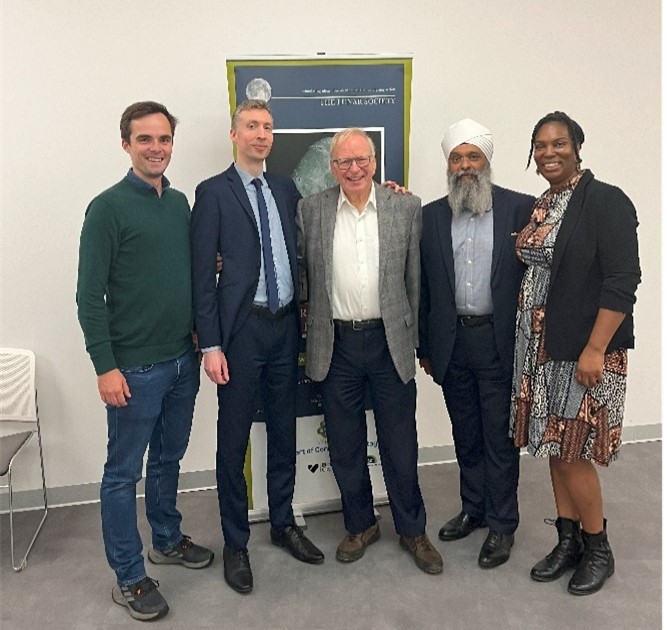
Joseph Gaytten, David Searle, Clive Stone, Amrick Singh and Charmaine Burton after the Lunar Society AGM

The modern day Lunar Society is a prestigious organisation inspired by the original Society founded in 1765. It brings together influential figures from various fields to discuss ideas, promote intellectual exchange, and drive positive change in society. With a rich history of innovation and enlightenment, The Lunar Society continues to play a vital role in shaping the future of the West Midlands region.The synergy with the Nishkam Group of Organisations is phenomenal. The Nishkam Group is a leading, faith-inspired and dedicated to promoting social welfare, education, and community development in Birmingham and beyond. Through its various initiatives and programs, it strives to empower individuals and foster inclusive communities.

Amrick brings a wealth of experience and expertise to his new role as Trustee of The Lunar Society. His contribution, leadership and volunteering within the Nishkam Group and other regional bodies has been instrumental in driving positive change and fostering collaboration among diverse groups.

In his new capacity, Amrick will work closely with fellow Trustees to uphold the values and mission of The Lunar Society, a renowned organisation dedicated to promoting scientific inquiry, cultural enrichment, and economic development in the West Midlands region.

“We are thrilled to welcome Amrick Singh as a Trustee of The Lunar Society,” said, Clive Stone DL, Chairman of The Lunar Society Board. “His passion for community engagement, addressing inequality and injustice and his track record of success make him an invaluable addition to our team. I look forward to working with him during my remaining tenure of chairmanship and beyond.”

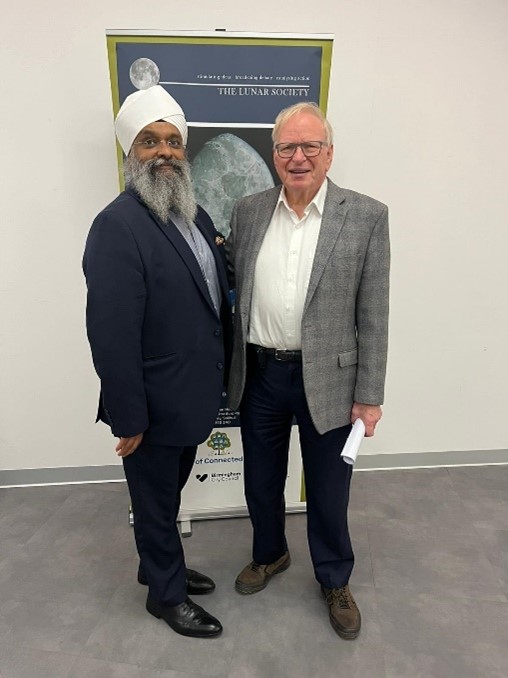
Chairman of The Lunar Society Board, Clive Stone DL with Amrick Singh Ubhi

Amrick Singh expressed his gratitude for the opportunity to serve as a Trustee, stating, “I am honoured to join the esteemed Lunar Society. Our Patron, Bhai Sahib, Prof Mohinder Singh OBE KSG, has always held The Lunar Society luminaries in high regard, quoting and remembering them with admiration, and this makes this association even more rewarding. I look forward to working with my colleagues to further our shared goals, contribute to its legacy of fostering innovation and progress and make a meaningful impact on our community. I also congratulate Joseph Gaytten elected as Vice Chair and Jonathan Green and David Searle who were also elected as Trustees. I would like to express my sincerest congratulations to them all”.

The Nishkam Group of Organisations extends its heartfelt congratulations to Amrick Singh on this significant achievement and wishes him continued success in his new role as Trustee of The Lunar Society. We also wish all the Trustees, new and old, all the very best with the current and future endeavours.

Notes:

For more information:

Nishkam Civic Association Launches Executive Senior Leader Level 7 Apprenticeship Programme

The Nishkam Civic Association (NCA) proudly announces the launch of its Executive Senior Leadership Programme (ESLP), a groundbreaking postgraduate-level apprenticeship designed to cultivate future leaders in the private, public, and voluntary sectors. This initiative is particularly focused on individuals from non-traditional education backgrounds and ethnic minority communities, providing a unique opportunity for them to advance their careers through government-funded training.

As a faith-inspired charity, the NCA has a long-standing commitment to community development and social welfare across education, health, and social justice. Prof Upkar Singh Pardesi, Chair of NCA Board, said “We embody this dedication, using education as a catalyst for social mobility, improved employment opportunities, and sustainable social benefit and addresses the increasing demand for value-based leadership by drawing on its legacy of community service and strong ethical standards.  The ESLP equips future leaders with essential skills, knowledge, and ethical grounding required to navigate today’s complex and interconnected world. This programme aims to empower individuals in local and regional communities, creating opportunities for leaders from diverse backgrounds to make a positive impact.”

The Executive Senior Leadership Programme is a higher apprenticeship designed to enhance leadership skills according to the Level 7 Senior Leadership Standard. It imparts the knowledge, skills, and behaviours needed to excel in senior roles and also offers the potential to achieve a professional qualification, such as the esteemed Chartered Manager (CMgr) designation and also the opportunity to progress on to an Executive MBA programme with our partner, or a local university.

The ESLP promises a transformative educational experience, combining high standards of education with practical application. Participants will engage actively with real-world challenges, applying their learning to develop an extensive portfolio that demonstrates their proficiency as senior leaders. The programme emphasises creating strong leadership for tomorrow, equipping participants with the tools necessary to handle global challenges while upholding the ethics and core values needed to foster a culture of selfless service, strategic insight, and integrity.

Ajit Singh Ubhi, MD, said “NCA’s unique approach integrates values into every aspect of the programme, ensuring that learners grow not only as leaders but also embody the principles and ethics necessary for sustainable success. This holistic approach makes the ESLP a unique and transformative leadership development experience.”

Employers in the SME and third sectors have a significant opportunity to leverage government funding through the Apprenticeship Levy, reducing the cost of training by 95% to 100% depending on criteria. This programme allows employers to strategically develop key personnel into skilled leaders who can drive their company’s strategic objectives and growth. By investing in their employees’ professional development, companies can enhance employee retention, demonstrating a commitment to career growth, increasing loyalty, and job satisfaction.

We invite employers and aspiring leaders to join us at our launch events in July, August, and September to learn more about the ESLP. These events will provide an opportunity to meet the team, understand the programme in detail, and explore how this unique apprenticeship can benefit both individuals and organizations.

For more information and to register for our launch events, please visit: Event Registration

Discover more about the programme in our brochure here: Programme Brochure

Contact:

Nishkam Civic Association

0121-515-4229

info@ncauk.org

For further inquiries, please contact Nishkam Civic Association at 0121-515-4229.  https://www.nishkamapprenticeships.org/leadership-hub/

ENDS
For media inquiries, please contact: info@ncauk.org

Media Contact Information: Ajit Singh 0121 515 4229

Notes to Editors

About Nishkam Civic Association:

The Nishkam Civic Centre (NCA) is a leading provider of values-led education and work-based education in Birmingham. NCA is committed to supporting local communities, employers, and learners, ensuring they receive the highest quality education and apprenticeship programs. NCA’s dedicated team is driven by a shared vision of excellence, aiming to become an “Outstanding” provider in the City. For more information, please visit our website.

Oxford Delegation visit GNNSJ and pay respects to Guru Granth Sahib Ji

On Monday 27th May 2024, a delegation from the University of Oxford visited GNNSJ Birmingham to learn more about the Sikh faith and pay their respects to Guru Granth Sahib Ji. The event followed a reciprocal exchange following Bhai Sahib Ji, Professor Mohinder Singh Ahluwalia OBE KSG, and the GNNSJ members’ visit to Oxford to celebrate the World Interfaith Harmony Week together in February 2024.

The esteemed Oxford delegation included:

  • Dr Thea Gomelauri, Inaugural Director of the Oxford Interfaith Forum, and Associate Faculty Member of Asian and Middle Eastern Studies at the University of Oxford.
  • Dr Aaron Maniam, Senior Fellow at Oxford Interfaith, Fellow of Practice and Director, Digital Transformation at Blavatnik School of Government
  • Professor Jörg Friedrichs, Official Fellow at St Cross College Associate Professor of Politics at Oxford Department of International Politics

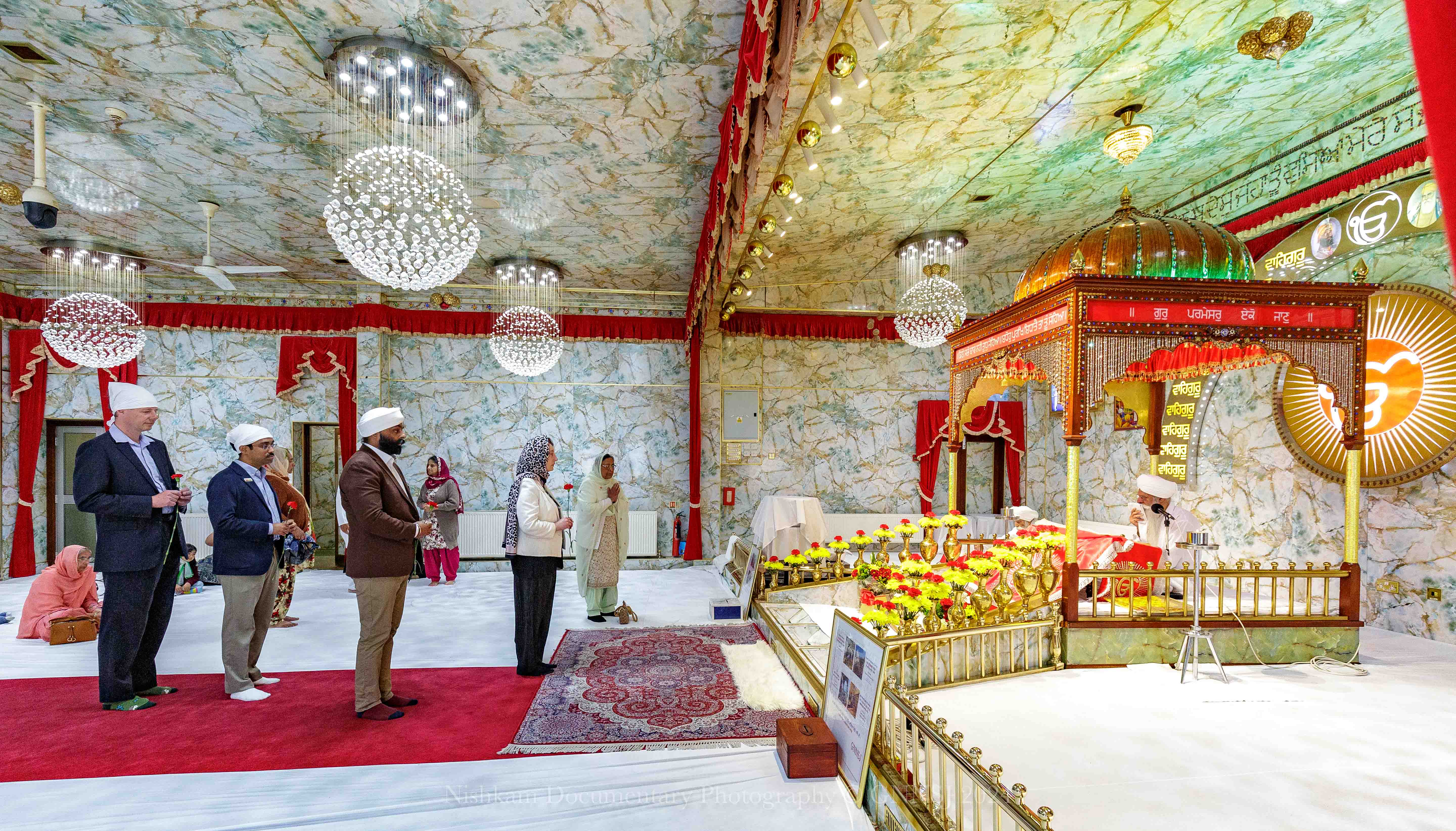
The groups arrival started with an obeisance to Guru Granth Sahib Ji, in the main Darbar Sahib, before providing the Dome Darbar to listen to Keertan.

After partaking in the Langar from the Guru’s kitchen, the visitors embarked on a visit across the GNNSJ campus, including Nishkam School Trust, and Nishkam Health Care facilities. The visit concluded with interfaith dialogue and discussions on AI ethics and cross-organisational synergy at the Nishkam Centre. There was sharing of inspiring interfaith poetry with a presentation of ‘Jewels from Sikh Wisdom: A Journey of Discovery’ by Gopinder Kaur, to the Oxford community. The delegation departed with a sense of gratitude for the hospitality, friendship, and mutual respect.

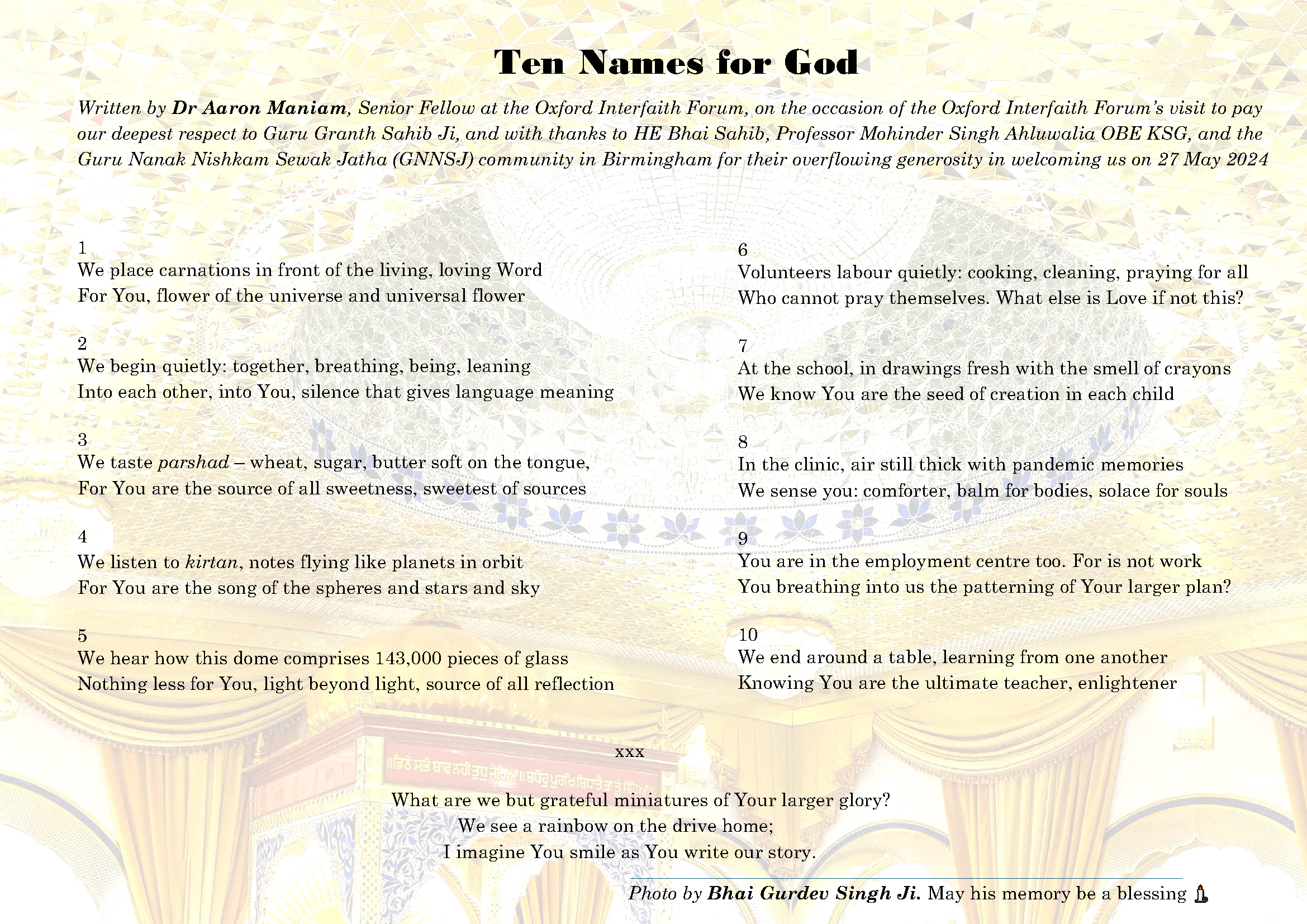
Following the visit, Dr. Aaron Maniam, Senior Fellow of the Oxford Interfaith Forum and an award-winning poet, composed a poem titled “Ten Names for God”, which honoured the visit.

Please use the image gallery below to view photos from the day, professionally and creatively captured by the late Bhai Gurdev Singh Ji.

OKW61W~S

Remembering Bhai Gurdev Singh Ji

Shortly after this event, the GNNSJ community was deeply saddened by the sudden passing of Bhai Gurdev Singh Ji. Bhai Gurdev Singh Ji left an inspiring and rich legacy of service through his professional and voluntary work, which included capturing beautiful photography of global interfaith activities that promoted values of faith and service. Bhai Gurdev Singh Ji had captured the Oxford visit to GNNSJ as well as the earlier participation of GNNSJ at the One World Festival in Oxford (Feb 2024).

His work was a true labour of love and Nishkam Sewa (Selfless Service) and he will be missed dearly.

Speaking of Bhai Gurdev Singh Ji, Dr Thea Gomelauri, Inaugural Director of the Oxford Interfaith Forum said:

“I first met Bhai Gurdev Singh Ji in February 2024 when he visited Oxford together with Bhai Sahib Ji and the members of the GNNSJ. He immediately impressed me with a unique combination of humility and high professionalism.  We are so grateful that he took and shared beautiful mementoes of our time at various venues. I was delighted to hear we will meet Gurdev again during our visit to the GNNSJ. Despite the Bank holiday, Gurdev spent a day with us capturing special moments of our visit. Soon we received an amazing collection of beautiful photos and a breathtaking short film documenting our meeting with Guru Granth Sahib Ji in Dome Darbar. We are so grateful for the opportunity to have met Bhai Gurdev even for the final months of his life. He left us with sacred memories which we will cherish forever. The Oxford Interfaith Forum dedicated a blog to Bhai Gurdev Singh Ji’s blessed memory.”

The Oxford Interfaith Forum published Aaron’s poem together with a tribute to Bhai Gurdev Singh Ji’s selfless service and the promotion of interfaith understanding and friendship across faith traditions. Please see this tribute here.

Ends

Building Healthier Futures Through Values, Education and Empowerment

Group Picture from Day 1 of the Start of Life Care Symposium

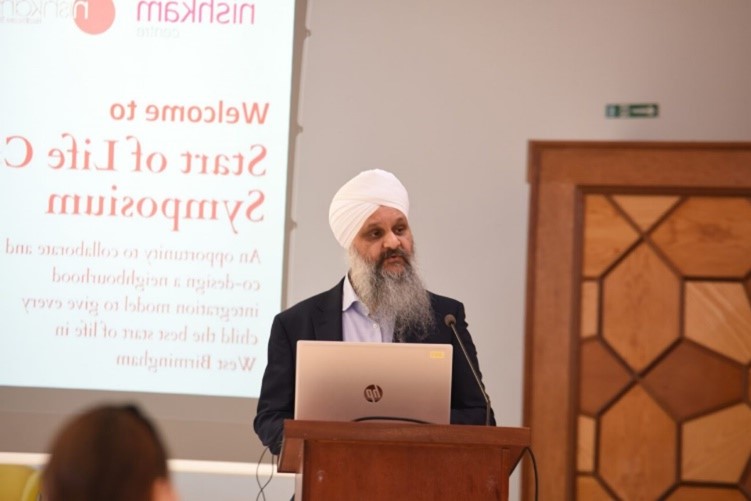
Nishkam Healthcare Trust and Nishkam Civic Association were delighted to host a symposium on Start of Life Care on Wednesday 13th and Thursday 14th of March 2024. A key aim of the symposium, alongside exploring faith-inspired teachings for start of life care and furthering neighbourhood integration, was to discuss findings from Birmingham and Solihull (BSoL) ICB-funded Nishkam Start of Life Care project, which launched in July 2023, and has run four successful cohorts.

The Symposium ran over two days, and included interactive panel discussions featuring representatives from BSol ICB, hospital doctors and consultants and community organisations such as Flourish, Bethel Health and Healing Network and Perry Barr NNS, exploring how to better navigate local challenges around start of life care, and looking ahead to future ways of linking services to provide better pre-natal care for mothers, and support for fathers.

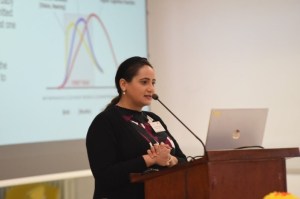
Dr Manvir Kaur speaking on the value of Start of Life Care

Dr Manvir Kaur Kalirai, Chair of Nishkam Healthcare Trust, spoke about the life-long impact of the first 1001 days (from conception to the age of 2 years) a child’s life has on them. She informed that infant mortality is the leading cause of preventable death in West Birmingham, and it is also an indicator of the general health of the population, as well as of standards of clinical care. Thus to give children the best start in life we must address health inequalities as well as optimising clinical care.

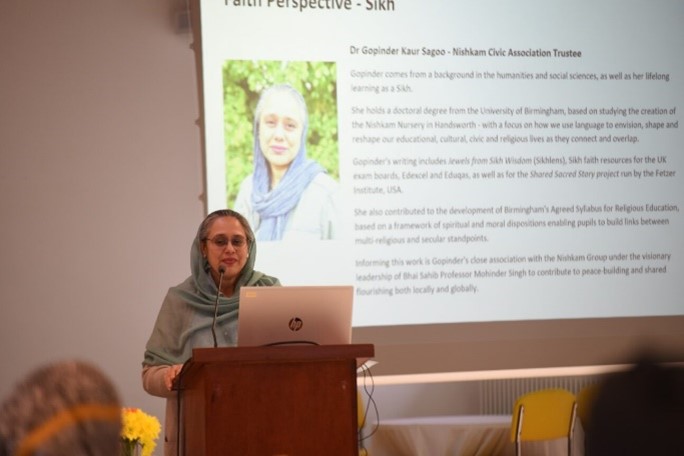
Dr Gopinder Kaur sharing the Sikh perspective on the importance of Start of Life care.

Following Dr Manvir Kaur’s speech, a panel of distinguished speakers from various faiths each had their turn to share the perspectives of their faith on start of life care and its importance. Dr Gopinder Kaur, who represented the Sikh faith, spoke about how babies serve as a powerful reminder to us of the incredible potential we all possess. The panel also included Dr Bilqees Khwaja, Islamic faith, Dr Manisha Patel, Hindu faith, Reverend Cassius Francis, Christian Faith, and Dr Andrew Goldstein, Jewish faith. Their diverse perspectives added to the depth of our discussions, allowing attendees to understand the views of different faiths so that better care can be provided for all. Although the speakers shared their differing perspectives about when life begins, they all mentioned the blessing that is the beginning of life and the integral role values play in raising a child.

Speakers from Birmingham and Solihull Mental Health Trust spoke about the critical need for pre-natal mental health support and listed some of the existing referral pathways open to women to seek support. Presently this service is under-utilised in West Birmingham, and the mental health team are keen to work with communities and support women in this pivotal time in their lives.

Dr Satish Rao, speaking on the need to reimagine healthcare.

Dr Satish Rao, Medical Director for Innovation and Transformation, BSol ICB, expressed the need to reimagine the healthcare system to accommodate holistic approaches and wraparound support. Dr Rao also touched on newfound perspectives of working with faith organisations as a result of the success of the Nishkam Start of Life Care project.

Handsworth is home to a super-diverse community, but also sadly has reported some of the more unequal health statistics compared to the rest of Birmingham. There are typically very poor outcomes for mothers and children including high levels of infant mortality, due to low levels of health literacy.

These health inequalities were evident in the Nishkam Start of Life Care project’s cohorts, 369 referrals were carried out for the 69 women who participated in the project, an average of five per participant – the most common referrals being energy redress, essential items for children, food and milk vouchers and maternity grants.

The Nishkam Start of Life Care project aims to tackle these inequalities from the ground-up with a vision to work together to nurture good healthy human beings and give every child the best start to life; educating and empowering future parents. The project’s universal aims have attracted as much support and involvement, with nearly 1300 volunteers hours and 15 health professionals. The healthcare professionals volunteered their space time to deliver the antenatal session, saving the NHS £300 of professional fees.

The impact of the project is clear from the feedback – participants gave high praise for the programme, and there was a 64% average improvement of knowledge across the topics from pregnancy, delivery and post-natal care. A fourth cohort, despite not being in the initial programme’s delivery plan, was run due to high demand. Most notably, in their evaluations, participants expressed a need for further workshops focussing on post-natal core.

Ajit Singh, speaking on the importance of integrated care.

On the Symposium, Ajit Singh, Director of the Nishkam Civic Centre, said: “The SOLC pilot project is an excellent example of integrated care, bringing together healthcare, community and faith partners to deliver a programme of seamless antenatal and wraparound support addressing the wider determinants of wellbeing in a culturally appropriate and safe space, infused with an abundance of care and compassion. This project strongly aligns with our approach towards prevention and early help to provide babies with the best start of life.”

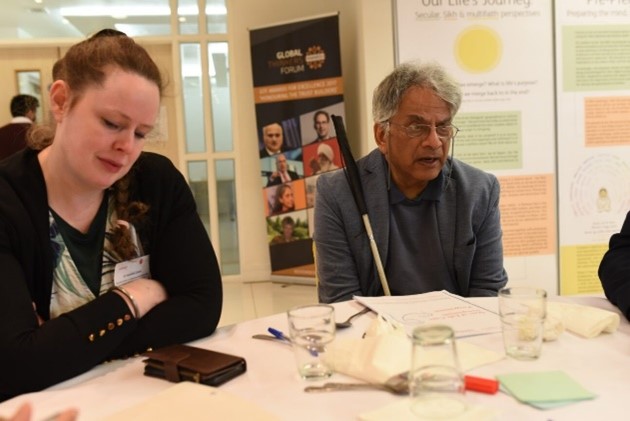
Ranjit Sondhi, Trustee of Nishkam Healthcare Trust and Non-Executive Director of the Black Country Integrated Board added: “We now live in a society where we know the cost of everything and the value of nothing. The Nishkam Start of Life Care Pilot Project is an excellent example of integrated care in the neighbourhood, which harnesses the goodwill of communities and health professionals to holistically address the needs of expectant mothers”.

Dr Natalie Grant, left, pictured with Ranjit Sondhi, right.

ENDS
For media inquiries, please contact: info@ncauk.org

Media Contact Information: Ajit Singh 0121 515 4229

Notes to Editors

About Nishkam Civic Association:

The Nishkam Civic Centre (NCA) is a leading provider of values-led education and work-based education in Birmingham. NCA is committed to supporting local communities, employers, and learners, ensuring they receive the highest quality education and apprenticeship programs. NCA’s dedicated team is driven by a shared vision of excellence, aiming to become an “Outstanding” provider in the City. For more information, please visit our website.

About Nishkam Healthcare Trust:

The Nishkam Healthcare Trust is a part of the five centres of excellence which have been established to transform lives and empower people through faith-based values and ethos. Here, you will encounter highly qualified individuals who are dedicated to Nishkam values, providing a single facility multidisciplinary community healthcare centre, which focuses equally on both the patient’s healthcare experience (values-based care) and on the delivery of high-quality care (clinical excellence).

Nishkam Civic Association Hosts United Religions Initiative Conference on Reducing Religiously Motivated Hate Crimes

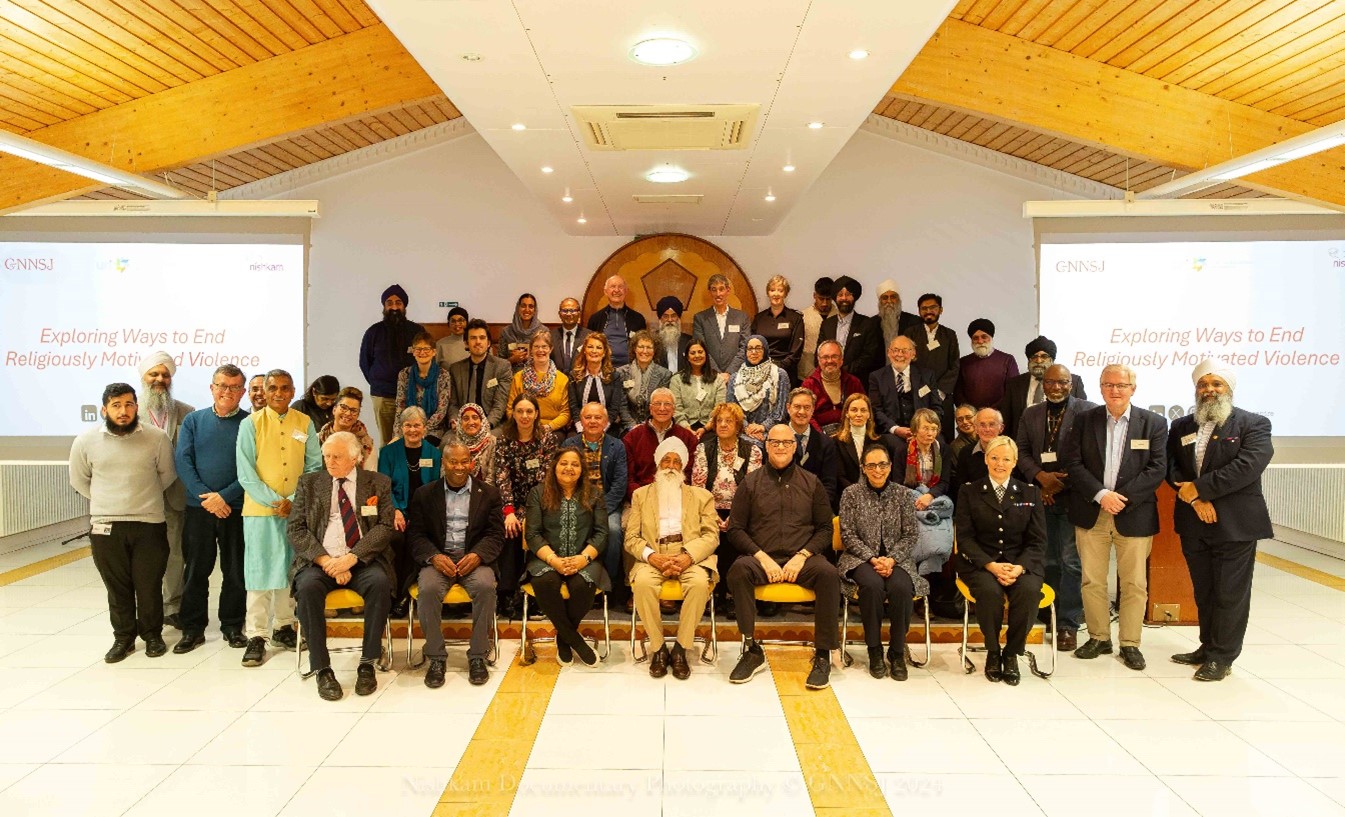
Nishkam Civic Association (NCA) was delighted to host members of the United Religions Initiative (URI) from around the world, local stakeholders and members of the local interfaith community to discuss the topic of ‘Religiously Motivated Hate Crime’ and how we can work together to eradicate violence in all its forms.

Delegates from URI including Preeta Bansal, Global Chair of the URI and Jerry White, Executive Director of the URI along with others from URI Europe, came to Britain for this event at the invitation of URI UK. NCA was among the select places chosen, to address themes such as preventing violence in all its forms and the fragility of interfaith work.

The Conference started with refreshments, an opportunity to network and explore the Value’s Revolution Exhibition. The programme then moved to the Conference Hall where guests enjoyed Kirtan (Singing of Sikh Scriptures) to bless the conference and create a special ambiance for the rest of the night.

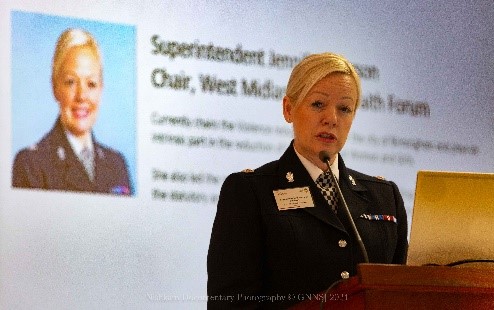
The conference held impactful speeches from several remarkable guests doing fantastic work in their fields.: The first speaker was Superintendent Jennifer Pearson, who set the scene for Birmingham as she listed some powerful statistics. Superintendent Pearson shared that Birmingham is 3rd in religiously motivated hate crime and 1st in racially motivated hate across the nation. She further stressed the importance of faith within policing and the profound role faith collaboration plays in reducing religiously motivated hate crimes.

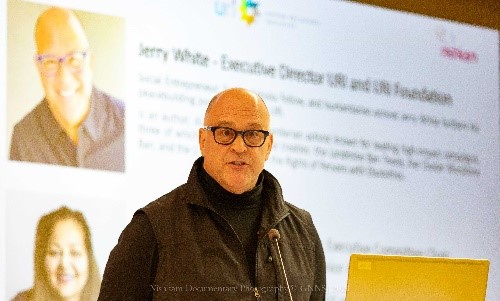
 Jerry White, Nobel Peace Prize Winner for his work to ban landmines and Executive Director of the URI  spoke about the rise of religiously motivated violence, which is the fastest-growing form of violence globally. He went on to talk about how violence is a behaviour that is contagious and spreads, creating a culture of violence and how it is our responsibility to change the culture, going on to speak about the training URI provides to interrupt local violence.

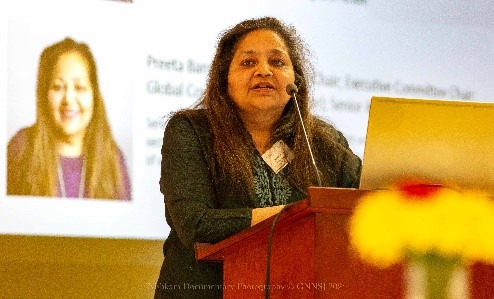
The third speaker, Global Chair of the URI, Preeta Bansal, spoke about a core tenet of the URI’s work in achieving peace and reducing violence – Cooperation Circles (CCs). Preeta conveyed that peace-making is not accomplished alone and how CCs are the key to peace, which form robust interfaith relationships to reduce violence and create a culture of peace, justice and healing. 

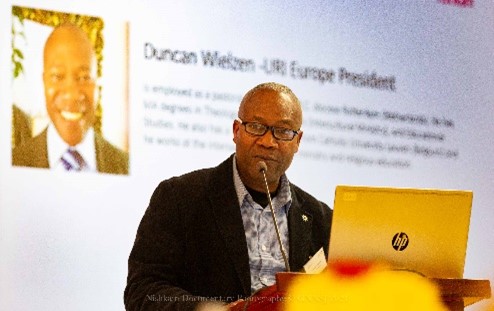
Adding to Preeta’s message of collaboration as a foundation for reducing violence was Duncan Wielzen, URI Europe Chairperson. Duncan spoke about inspiring others to join interfaith groups and how the work of CCs can inspire others to form their own groups and strive to make change in their local area.

Josef Boehle, Director of the Peace Charter for Forgiveness and Reconciliation shared the 13 year journey of the Peace Charter and its presentation to / endorsement by many prominent figures, such as His Holiness Pope Francis and the Prime Minister of Kenya to name just a few. Additionally, Josef spoke about how the charter looks at the intersection between forgiveness and peace.

The penultimate speaker  Professor Jagbir Jhutti-Johal,  spoke about the role of women in achieving peace and how they bring a specific set of skills and values, citing a research study which concludes that when women are involved in peace negotiations or peace building, success is 20% more likely.

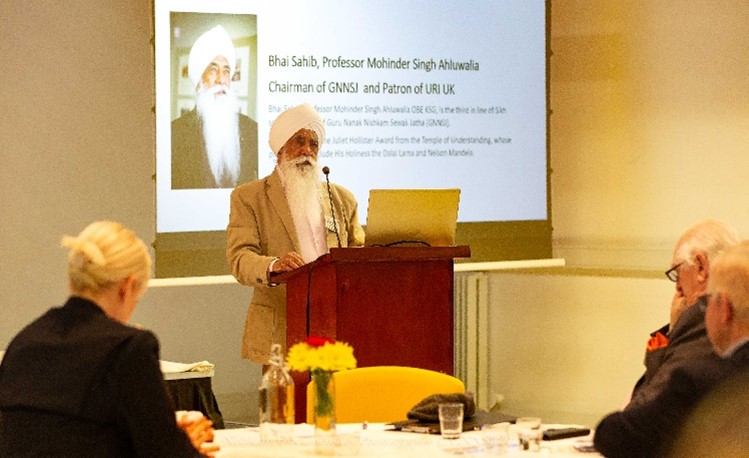
The keynote speaker was Patron of Nishkam Organisations and URI UK, Bhai Sahib, Professor Mohinder Singh Ahluwalia OBE KSG. Bhai Sahib Ji articulated the juxtaposition of religion and violence as religion is peaceful. Continuing to provide an insight into the origin of violence and how vices and external forces which partially form the mind can lead to violence and vengeful retaliation, creating a cycle of escalating violence.

The conference gave an insight into how we can continue to collaborate with partners and strategize to reduce religiously motivated violence and create change in our communities by overcoming the barriers that prevent the formation of peace within communities.

In the spirit of Sikh hospitality, tradition and service, the evening concluded with everyone partaking in Guru Ka Langar (Blessed meal).

Preeta Bansal shared: “We, the global leadership of the United Religions Initiative, were heartened to feel and see the remarkable work of our interfaith cooperation circles in the United Kingdom. The Nishkam Centre in Handsworth is truly leading an interfaith revolution of values — much like Birmingham led the industrial revolution more than a century ago. The Centre’s tangible commitment to selfless service in the community — manifested in concrete initiatives in the health, welfare, environmental, and education sectors — combined with its active peace making carried out in cooperation with multiple faith communities and the public sector, is truly inspiring. The Nishkam Centre is a model of what URI seeks to support and promote globally — a commitment to daily, enduring interfaith cooperation, to end religiously motivated violence, and to promote peace, justice, and healing for the earth and all living beings. We were pleased to be part of the rich community conversation hosted at the Nishkam Centre, which involved community activists, city leaders, academics, and faith leaders.”

ENDS
The NCA community remains committed to its core values and to providing the best possible education and support to learners and employers, setting its sights on reaching new heights of excellence in the near future.

For media inquiries, please contact: info@ncauk.org

Media Contact Information: Ajit Singh 0121 515 4229

Notes to Editors

About Nishkam Civic Association:

The Nishkam Civic Association (NCA), fondly known as the Nishkam Centre, is a unique organisation charged with the task of developing a dynamic Sikh faith inspired civic agenda, located on Soho Road, Birmingham. It is one of the key Centres for Excellence founded by Guru Nanak Nishkam Sewak Jatha, a Sikh faith-based organisation dedicated to Nishkam Sewa (active, selfless volunteering) to serve the common good.

www.ncauk.org

About United Religions Initiative (URI)

URI, a movement of everyday people making positive change in local communities, is a strong, global grassroots network of interfaith groups bridging differences and finding solutions to issues that affect communities and the world. It is comprised of over 1,100 member groups, called Cooperation Circles, in 112 countries. URI is a non-governmental organisation with consultative status with the United Nations Economic and Social Council.

https://www.uri.org