Uplifting and spiritually infused Civic Service paves the way forward

IMG_6295The Civic Service held at St Martin’s Church in the Bull Ring provided a serene setting to officially mark the welcome of the new Lord Mayor of Birmingham, Councillor Shafique Shah. The opportunity to renew commitments to public service for Birmingham and its citizens and to ask God for his blessing set the scene for the next term of office.

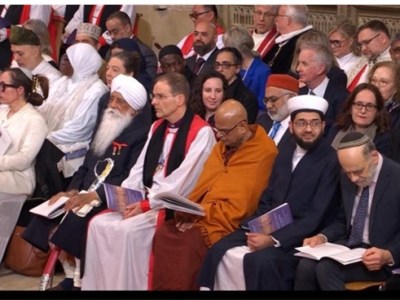
The Annual Service at St Martin’s Church in the Bull Ring on Sunday evening 20th July 2014, was a moving and inspiring service that all the guests and visitors seemed to enjoy. Led by Revd Elisie Blair-Chappell the service proclaimed the greatness of the City of Birmingham and the power of faith and spirituality to guide and inspire our civic leaders.   The event saw former First Citizens, their partners, distinguished guests from all walks of life at the Church service. Following the service at the Church the hosts and guests made their way on a beautiful summer evening to the Banqueting Suite at the Council House for refreshments.

The duty of Lord Mayor is a challenging one and requires time, commitment and dedication to balance all the diary commitments and still manage one’s own affairs. Despite all this Lord Mayor, Shafique Shah, has previously described being appointed Lord Mayor of Birmingham as one of the most special events of his life. Father-of-five Shafique Shah, who has represented Bordesley Green since 2005, accepted the Chain of Office at the City Council’s Annual Meeting. He said at the time: “This is one of the most special moments of my life and also one of the most nerve-wracking. The nerve wracking I should be used to, after all I am a Blues supporter.”

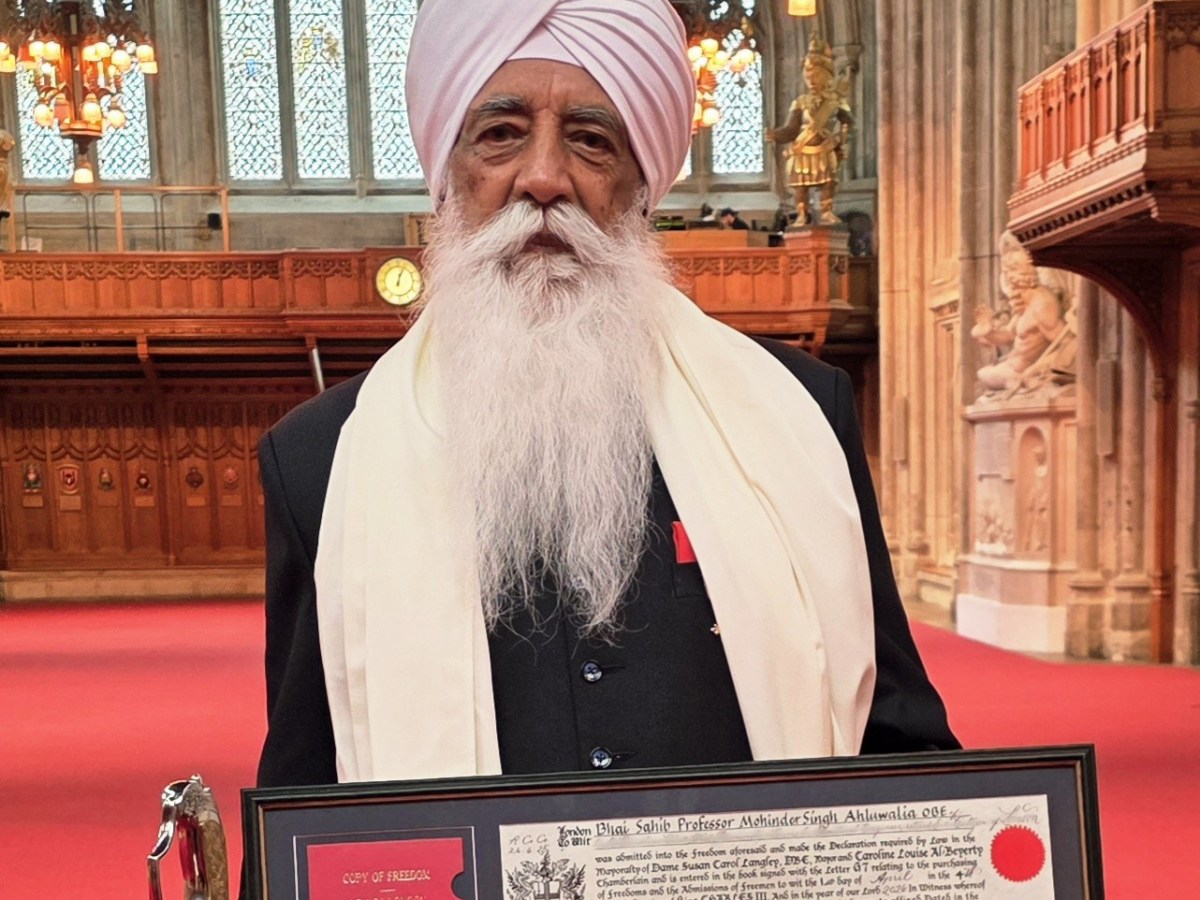
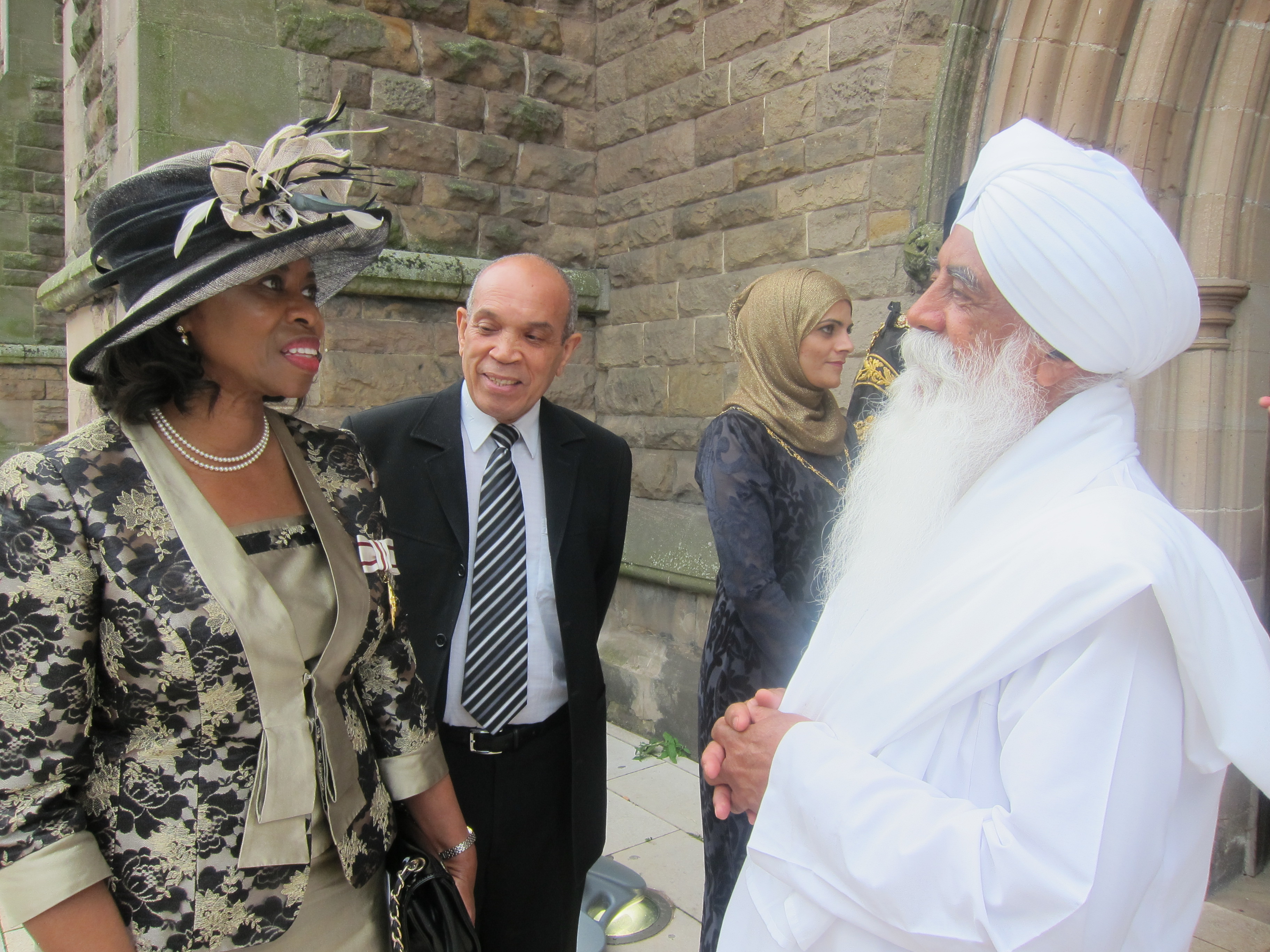
At the Civic Service and reception, The Lord Mayor was accompanied by his wife Sadia Shafique, the new Lady Mayoress, and two of IMG_6273their young daughters. They were introduced to Bhai Sahib, Dr Mohinder Singh, Chairman of the Guru Nanak Nishkam Sewak Jatha which manages the activities of the Gurudwara on Soho Road and Chairman of the Nishkam Civic Association, who congratulated the Lord Mayor on his appointment and the great church service. The Lord Mayor was impressed to hear from Bhai Sahib Dr Mohinder Singh about the Museum of World’s Religions being created here in Birmingham and the international Charter on Forgiveness and Reconciliation that Bhai Sahib is leading on.

The selection of hymns and the order they were recited was very poignant and befitting. Following the welcome and greeting from Revd Elisie Blair-Chappell the congregation was absorbed in the spirit of the evening. The sermon was delivered by Cannon Stewart Jones, which emphasised how great the city of Birmingham was. He then shared the fact that Church leaders get together regularly, “We pray for the City to get God’s blessings”. He went on, “We do not need more technology, more bureaucracy, more structures – we need

to work more on having God in a hearts when we work. First and foremost we must be people of God”. Cannon Jones iterated the importance of humility, love, unity and justice: ”We must work together to build a city that stands up for justice; a place that cares for all. Respect for one and other must be lived out”. And let me say this, if it works in Birmingham, it will work in the World because the World is in Birmingham – a city without walls.”
IMG_6274Cannon Jones concluded with: “We are the stewards to make Birmingham an even better City than it is, a city to be proud of”. Similar sentiments were mentioned by the new Lord Mayor at another event when he said: “I have, as yet, not found any city as welcoming and warm as my home of Birmingham. I always feel proud to say I am a Brummie. I will work hard as an ambassador for our great city to show the world all the positive aspects Birmingham and its citizens have to offer.”

Bhai Sahib, Dr Mohinder Singh, commented on how pertinent and important the service was. “The fusion of spirituality and secularity is crucial. Our civic leaders empowered with faith virtues will always make the right decision for the common good and in the interests of the whole city. They need to operate from a values foundation; principally if they recognise the significance and importance of spirituality they will do well”. On leaving the Church, Bhai Sahib, Dr Mohinder Singh complimented both Revd Elisie Blair-Chappell and Cannon Jones on their contribution to the service and invited them to visit the Gurudwara and Nishkam Centre on Soho Road.

The four privileged charities the Lord Mayor will be supporting throughout the year are

  • The Queen Elizabeth Hospital
  • Birmingham Children’s Hospital
  • SIFA Fireside, a Digbeth based charity which works to tackle homelessness and alcohol dependency
  • Birmingham Focus a sight loss charity.


ENDS 

Notes to Editors:

For more information:

Library of Birmingham lights up orange for Vaisakhi

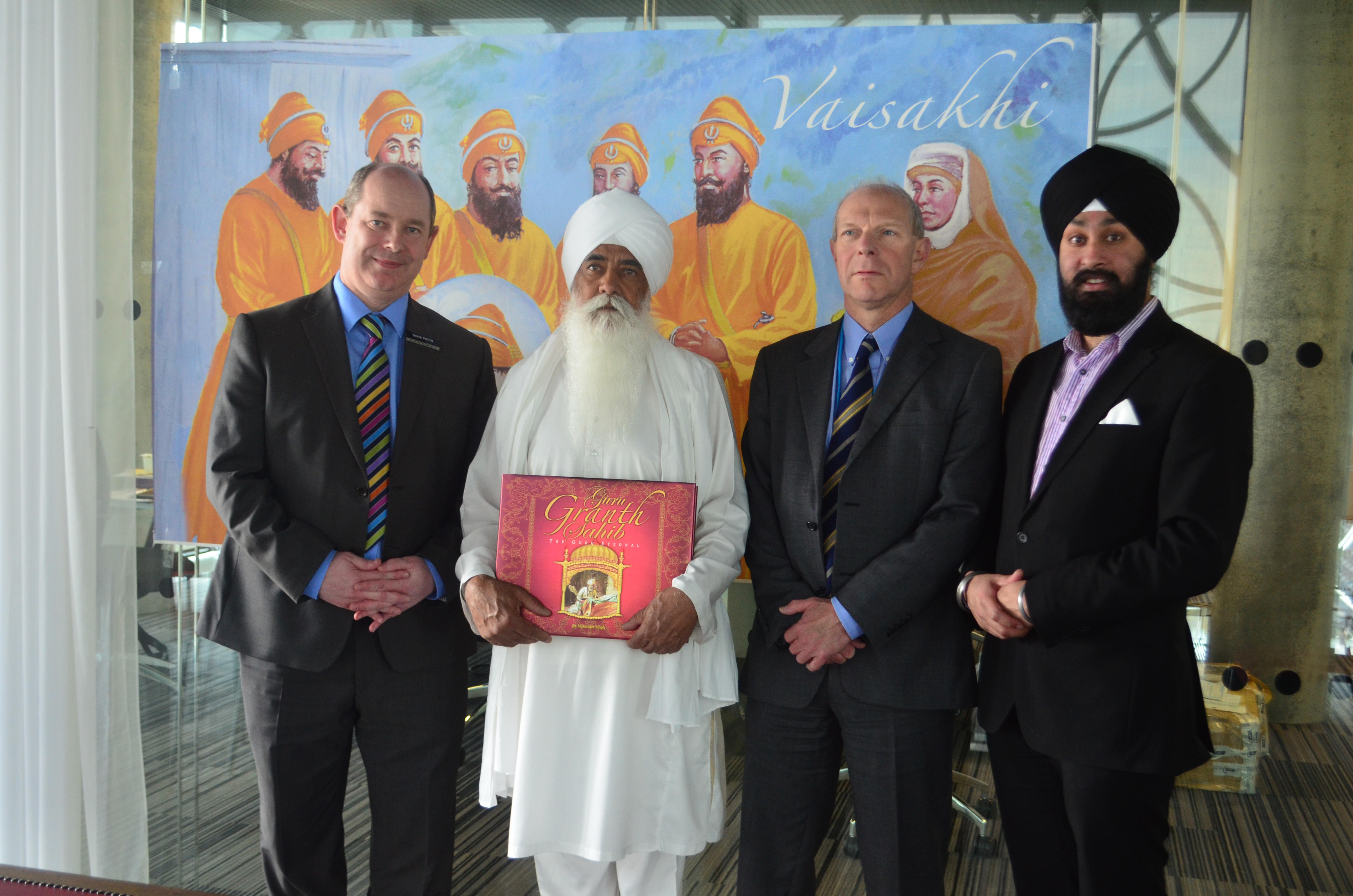
140410 - LED Lights Library - Vaisakhi 2014 - 003On the evenings of Sunday 13 and Monday 14 April the iconic Library of Birmingham was lit up in orange to celebrate the Sikh festival of Vaisakhi, the holiest day in the Sikh faith calendar. The historic occasion marked the first time a public building in the UK has been lit up in observance of a Sikh sacred festival, a gesture which pays homage to the collective contribution of Sikhs in the UK.

The event was organised in partnership with the Birmingham Sikh community and the Library of Birmingham to celebrate Vaisakhi, the founding of the Khalsa in 1699 by Guru Gobind Singh Ji, the tenth Guru of the Sikhs.

To the faithful, Vaisakhi, is a time of grave religious significance; to inspire, to build up faith, to widen our orbit of human relationships, and to foster virtues and values, which enrich human lives.

Birmingham City has one of the highest population of Sikhs in the UK. The virtues and values which Sikhs remember and aim to live up to at Vaisakhi are:

  • Naam Japo (prayer and contemplation)
  • Kirat Karo (earning a livelihood through sweat of the brow)
  • Wand Shako (sharing one’s wealth and knowledge with others)
  • Kirtan Karo Te Suno (singing and listening to God’s praises)
  • Haumae Maro (shedding one’s ego and being humble)
  • Daya Palo (exercising love, compassion, mercy and forgiveness)
  • Parupkar Karo (being altruistic)
  • Sarbat da Bhalla Mango (seeking welfare of all)
  • Changi Sangat Karo (seeking and enjoying the company of the holy and exalted)
  • Jo Karo – Nishkam Karo (seeking no reward, gift or salvation.  Being selfless and ready to sacrifice).

Initiating the ‘going orange’ of the library was Brian Gambles, Assistant Director of Culture at Library of Birmingham; David Pots, Head of Learning Resources at Library of Birmingham; and Bhai Sahib Bhai Mohinder Singh, Chair of Guru Nanak Nishkam Sewak Jatha (GNNSJ).

Birmingham faith leader, Bhai Sahib Ji has contributed immensely to inter-religious understanding and had just arrived from the US after receiving the prestigious Guru Nanak Interfaith Prize from Hofstra University for promoting interfaith harmony. In 2012, he was created a Knight of St Gregory the Great by the Holy Father Pope Benedict XVI in recognition of his commitment to working for peace among people of all faiths. His contributions echo the Sikh principles of volunteering, selflessness and community participation to bring about change for the common good.

Bhai Sahib Ji said: “Practising Sikhs with a distinctive identity, having the five kakars and dastaar, are expected by the Guru to be compassionate, courageous, loving, humble, to exercise self-restraint, to be ethical in conduct, to stand up for their own and others’ rights, and to maintain an ever-ascending spirit of optimism.  Guru Gobind Singh Ji’s translated composition in English, provides us Sikhs a great direction for life on Vaisakhi: ‘Empower me, God, to never shy away, from doing what is good and right.  May I, thus, become fearless in facing life’s battles, inside and around me, with resolute belief in victory. May my mind then learn; yearning only to praise your infinite goodness, and so, may I relentlessly continue to do all that is good and right, until my very last breath.”

On the occasion, a book about Guru Granth Sahib Ji, the eternal Guru of the Sikhs, was presented to the Library of Birmingham by Bhai Sahib Ji.

Brian Gambles, Assistant Director of Culture at Library of Birmingham said:DSC_6143_1 “Library of Birmingham is absolutely delighted to support the Sikh community in celebrating this important festival of Vaisakhi.”

In addition to the lights, one of the UK’s largest annual Vaisakhi celebrations (attracting some 60,000-70,000 participants) will take place at Handsworth Park to mark the Sikh nation’s collective birthday on 27thApril 2014 at which there will be an area for prayer (Guru Darbar) which will be an important focal point, open to all communities to visit and understand the Sikh faith.  Bringing a spiritual and festive atmosphere to Handsworth Park, there will also be live music, entertainment, Punjabi food and craft stalls.  The traditional Langar – free vegetarian meal from the Guru’s kitchen – will also be served.

ENDS

Notes to Editor

1. The Nishkam Civic Association, more fondly known as the Nishkam Centre is one of the five Centres for Excellence created by the faith-based charity, Guru Nanak Nishkam Sewak Jatha.

The Nishkam Centre is at the forefront of advancing community and economic wellbeing; promoting interfaith, intercultural, intercommunity dialogue; and championing social justice and inclusion. To deliver its mission, it has embedded and promotes active volunteering and selfless service for the benefit of humanity in all aspects of its work.

Chaired by Bhai Sahib Dr. Mohinder Singh Ahluwalia, who holds two honorary degrees from the city’s universities, it aims to serve and uplift society through the practice and propagation of the core values of ‘nishkamta’, or the spirit of selflessness.  Spiritually inspired, the organisation has generated a flourishing culture of volunteering, contributing immensely to transform its visionary projects into a reality.

For more information, please visit www.ncauk.org


International Symposium on Forgiveness and Reconciliation

forgiveness event at NCA

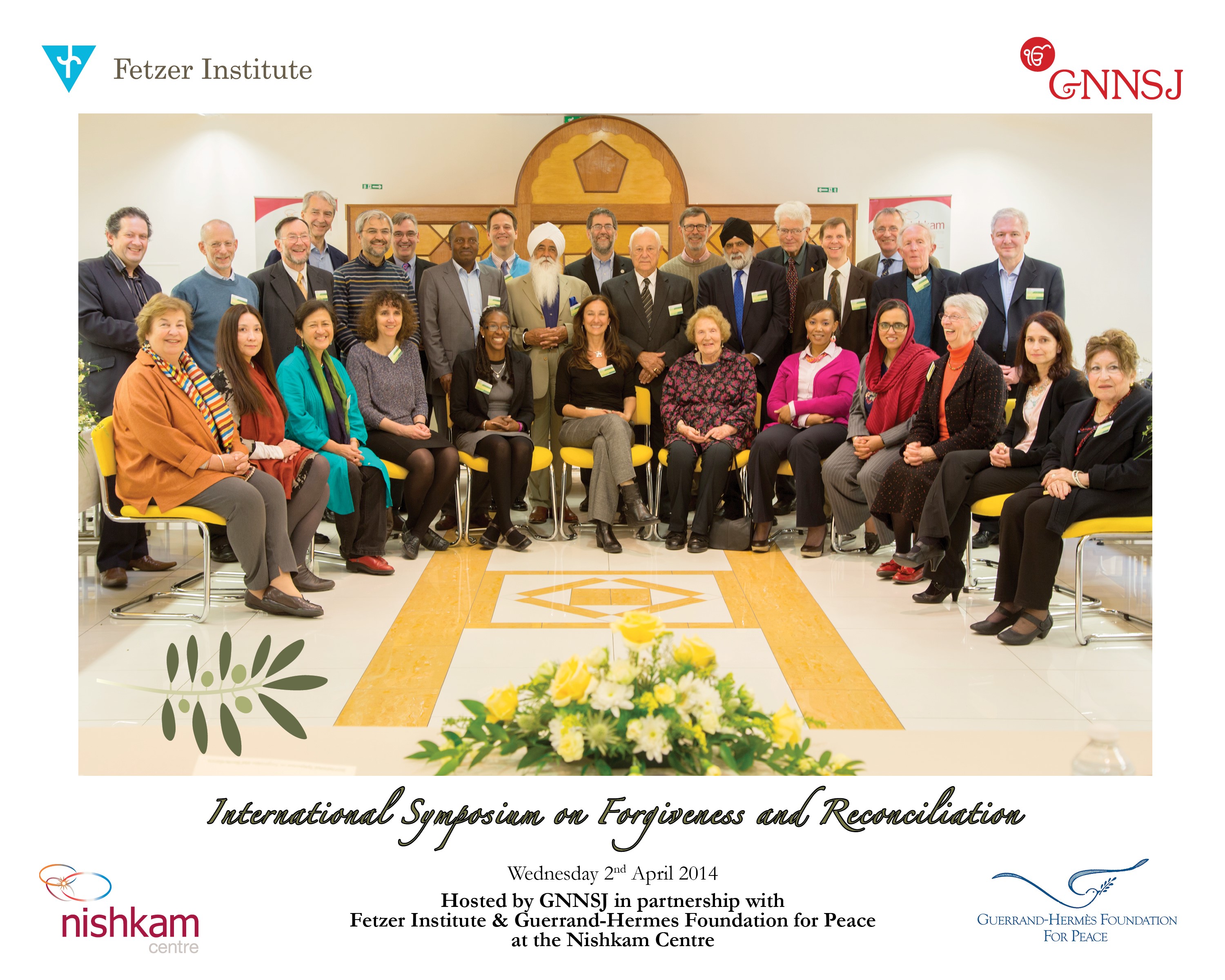
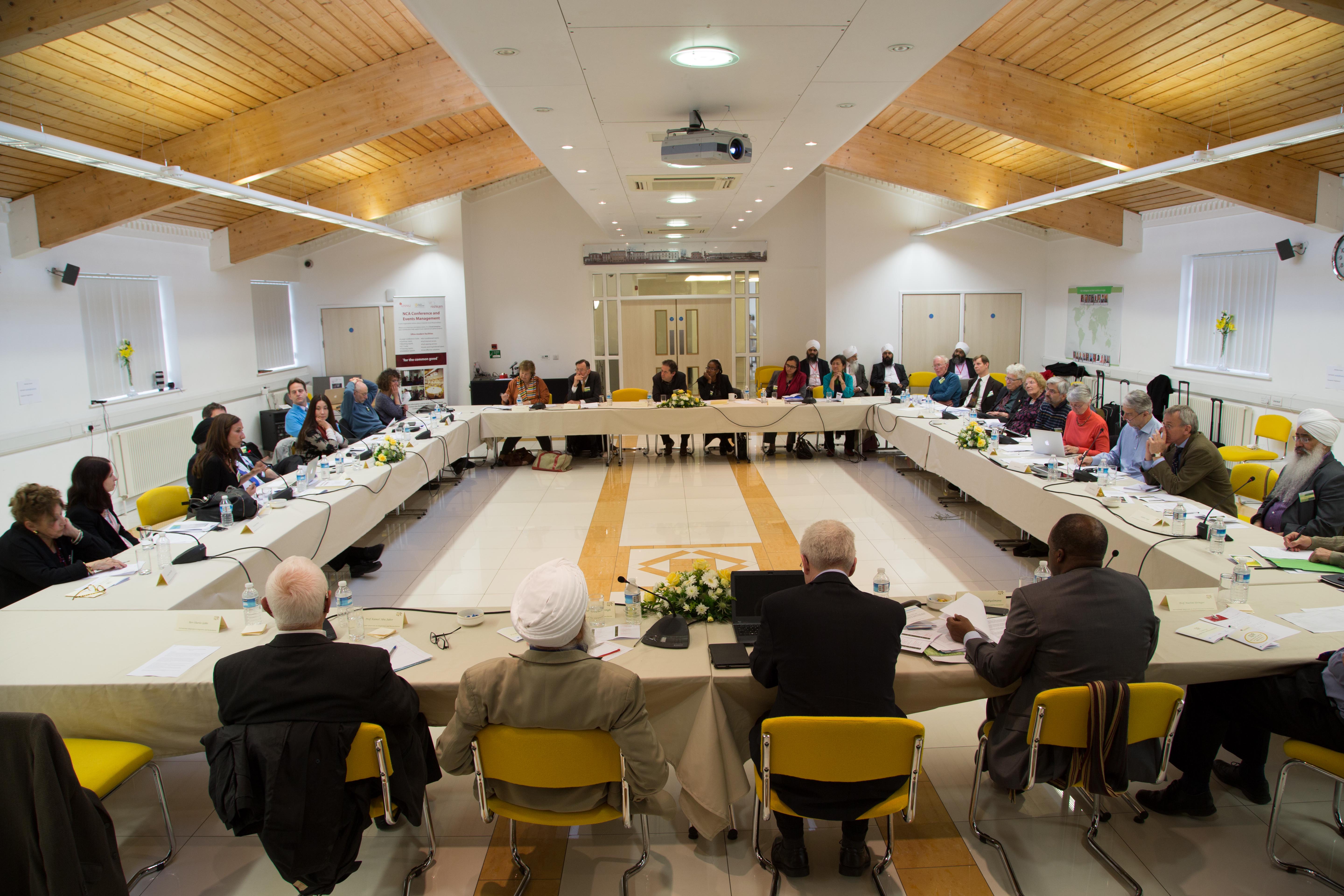
A very successful Symposium co-sponsored by the Fetzer Institute, the Guru Nanak Nishkam Sewak Jatha (GNNSJ) and the Guerrand-Hermes Foundation for Peace took place on 2nd April in Birmingham, UK. _GNNSJ_ImagesApril2014-0774

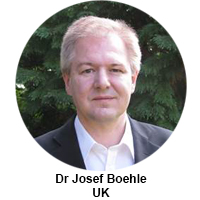
Leading thinkers and activists from many peacemaking and reconciliation organisations gathered in Birmingham both for networking and for the preparation of future collaborative activities.  The event was led by Bhai Sahib Bhai Mohinder Singh, spiritual leader and Chairman of the Sikh community GNNSJ and co-convenor of the Charter for Forgiveness and Reconciliation Project and by Dr. Josef Boehle, Director of the Charter Project. Dr William F. Vendley, Secretary General of Religions for Peace International is also a co-convenor of the Charter project.

The day’s agenda included discussions of some of the key questions and critical issues to be considered in creatingthe Charter for Forgiveness and Reconciliation. Included were extensive deliberations of forgiveness’ critical role in justice, reconciliation and peacebuilding.

The Symposium served as a springboard to action on establishing the Charter for Forgiveness and Reconciliation in 2015. The proposed Charter aims to inspire and engage individuals, groups and communities, in public processes and in private settings, appealing to humanity to practice genuine forgiveness and reconciliation, seeking justice and sustainable peace. The Symposium programme with a list of presenters, chairs and moderators is online at: http://www.commongood.info/symposium2014.pdf

30 participants and observers attended the Symposium and their names and organisational affiliations can be found in the notes at the end of this article.

_GNNSJ_ImagesApril2014-0560The proposed Charter for Forgiveness and Reconciliation will draw upon values, stories and examples from sacred texts and from different spiritual traditions, from religious / spiritual communities, and from the lives of outstanding individuals. With such paradigms, the Charter will direct commitment and activities towards a growing practice of forgiveness and reconciliation which humanity desperately needs in a fractured world.

The draft text for the Charter for Forgiveness and Reconciliation is now being developed. The whole collaborative chartering process is expected to take up to a year, to allow for substantial input from a wide range of worldviews, backgrounds, expertise and insights.

The vision behind the Charter for Forgiveness and Reconciliation is that forgiving is an activity necessary for healing and reconciliation to take place when seeking justice and sustainable peace.

Additional information on the Charter Project can be found at: http://www.commongood.info/charterforgiveness.html

The Charter project is co-sponsored by the Fetzer Institute: http://www.fetzer.org/our-work/projects/building-charter-forgiveness

Please View Presenters, Chairs and Moderators Below

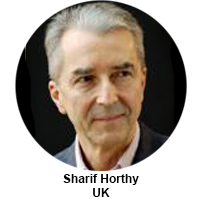
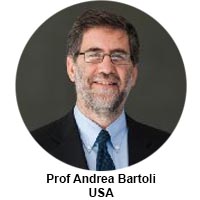
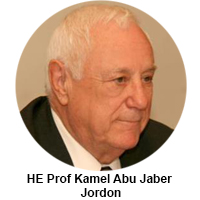
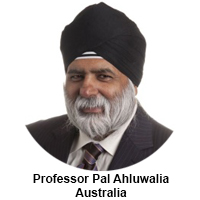
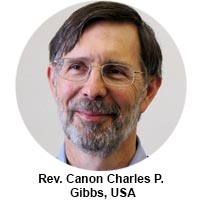
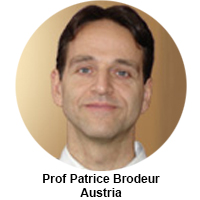
Dr Josef Boehle  Sharif Horthy  Alexandra Asseily  Marina Cantacuzino  Prof Andrea Bartoli  HE Prof Kamel Abu Jaber    Professor Pal Ahluwalia  Rev. Canon Charles P.  Prof Geraldine Smyth  Prof Martin Stringer  Prof Patrice Brodeurdr-scherto-gill    
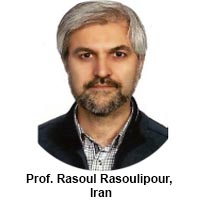
prof rasoul
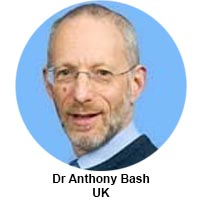
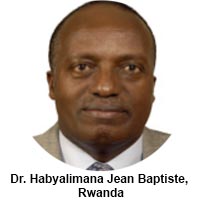
  Dr Anthony Bash  dr jean  Bhai Sahib Bhai Mohinder Singh  Justine Huxley  Maria Nicoletta Gaida

ENDS

Notes:

1. The Charter for Forgiveness and Reconciliation web page:

http://www.commongood.info/charterforgiveness.html

2. Fetzer Institute – Charter for Forgiveness and Reconciliation

Fetzer.org Building the charter for forgiveness

3. Guerrand-Hermes Foundation for Peace:

http://www.ghfp.org

4. Nishkam Centre:

http://nishkamcentre.org/intra-interfaith/interfaith-work/

5. Presenters, Chairs and Moderators:

a. Prof Pal Ahluwalia, UNESCO Chair in Transnational Diasporas and Reconciliation Studies; Pro-Vice Chancellor, University of South Australia, Adelaide, Australia.

b. Bhai Sahib Bhai Mohinder Singh Ahluwalia, Chairman and Spiritual Leader, Guru Nanak Nishkam Sewak Jatha, Birmingham, UK. Co-convenor, Charter for Forgiveness and Reconciliation Project.

c. Alexandra Asseily, Governor and Founder of the Centre for Lebanese Studies, Oxford; Founder member of the Ara Pacis Initiative; Initiator, Garden of Forgiveness, Lebanon.

d. Prof Andrea Bartoli, Dean, School of Diplomacy and International Relations, Seton Hall University, New Jersey, USA; Advisor, Community Sant’Egidio, Rome, Italy.

e. Dr Anthony Bash, Honorary Fellow, Department of Theology and Religion, Durham University, Durham, UK.

f. Dr Josef Boehle, Research Fellow, University of Birmingham, Birmingham, UK; Director, Charter for Forgiveness and Reconciliation Project.

g.Prof Patrice Brodeur, Canada Research Chair on Islam, Pluralism, and Globalisation, Faculty of Theology and the Sciences of Religions, University of Montreal, Canada.

h. Marina Cantacuzino, Founder and Director, Forgiveness Project, London, UK.

i. Maria Nicoletta Gaida, Founder and President, Ara Pacis Initiative; Board of Directors, Council for Dignity, Forgiveness, Justice and Reconciliation, Rome, Italy.

j. Rev Charles Gibbs, Founding Executive Director Emeritus (1996-2013), United Religions Initiative, Washington, D.C., USA.

k. Dr Scherto Gill, Executive Secretary, Guerrand-Hermes Foundation for Peace, Brighton, UK.

l. Dr Jean Baptiste Habyalimana, Executive Secretary, National Unity and Reconciliation Commission, Kigali, Rwanda.

m. Sharif Horthy, President of the Guerrand-Hermes Foundation for Peace (GHFP) and Vice Chairman of the GHFP’s Board of Trustees, Brighton, UK.

n. Dr Justine Huxley, Director, St Ethelburga’s Centre for Reconciliation and Peace, London, UK.

o. Prof Kamel Abu Jaber, Professor of Political Science Emeritus (1971-1979, 1980-1985); Minister of Foreign Affairs for Jordan (1991-1993); President, Jordan Institute for Middle East Studies, Jordan.

p.Prof Rasoul Rasoulipour, Department of Religion and Philosophy, Kharazmi University, Teheran, Iran.

q. Peter Riddell, Convenor, Agenda for Reconciliation, Initiatives of Change-UK, Oxford, UK.

r. Prof Geraldine Smyth, Associate Professor in Intercultural Theology and Interreligious Studies for the Irish School of Ecumenics, Dublin, Ireland.

s. Prof Martin Stringer, Deputy Pro-Vice Chancellor, University of Birmingham, Birmingham, UK.

Observers:

a. Neil Deuchar, Student, University of Birmingham

b. Alison Treasure, Student, University of Birmingham

c. Kam Kaur Takhar, GNNSJ

d. Rev John Nightingale, Chair, Jubilee Debt Campaign, Birmingham Group

e. Sukhbir Singh, GNNSJ

f.  Richard Boeke, Chair, British Chapter, IARF

g. Markus Braybrooke, President, World Congress of Faiths

h. Mary Braybrooke

i.  Marius Felderhof, Honorary Senior Research Fellow, University of Birmingham

j.  Loretta Abu Jaber

k. Kudakwashe Nyakudya, Founder Director, Kahrmel Wellness

Guru Nanak Nishkam Sewak Jatha Leeds scoops national award for Fairtrade campaigning excellence

sdsGuru Nanak Nishkam Sewak Jatha Leeds received the Best Outreach and Networking Award at the Fairtrade Supporter Conference in October 2013. It was presented by Fairtrade International Chief Executive Michael Gidney CBE.

The Award recognises the achievements and creativity of Fairtrade campaigners and supporters for helping workers and farmers in some of the poorest countries to earn a decent living and secure a better life for themselves. Smallhold farmers produce 70% of the world’s food but also make up half of the worlds hungriest people and we want to change that! We were awarded £500 which we’re going to use this year to spread the Fairtrade message even further in our campaign to bring a fair wage to farmers and workers.

During Fairtrade Fortnight members of GNNSJ-Leeds took part in a number of events where we showcased Fairtrade products, talking to the local community and explaining Fairtrade to hundreds of people.  To support this we created Punjabi Fairtrade literature our own campaign material to highlight the links between Fairtrade and the Sikh faith.

We are just one of many campaigner groups helping to raise awareness and becoming actively involved in supporting the millions of people who grow the food we love.  But it’s more than just paying these farmers a fair price for the products they grow. It’s about decent working conditions, building sustainable businesses and ultimately empowering people to help themselves out of a life of poverty and into a world where they can make a decent and dignified livelihood.

Just like Guru Nanak Dev Ji’s teachings, Fairtrade believes that everyone should be able to earn an honest living, one that is free from exploitation and unfair restrictions. Guru Nanak Dev Ji himself taught us this very message when he refused to eat from the hands of the wealthy Malik Bhago who earned his living through dishonesty and exploiting the poor. Instead Guru Ji chose to eat with Bhai Lalo a poor man who earned an honest living. Guru Nanak Dev Ji’s message was one of earning through an honest living and being compassionate towards others. Similarly Fairtrade strives to help people support themselves through an honest living and prevents them from being exploited by the likes of the modern day Malik Bhago.

So what can we do? You’ll notice the Fairtrade logo on a huge variety of products in your local supermarket like tea, coffee, sugar, GNNSJchocolate, fruit, jam, honey and even clothes. These items come from smallhold farmers in countries like India, Kenya, Brazil and Nepal and many more.

Everytime you buy something with a Fairtrade label you are choosing to give people an equal chance to survive.

Everyone can play a part. You don’t have to be an expert on issues of campaign you just need to care enough to buy some Fairtrade goodies.  It’s that simple. Next time you go to the supermarket, make a swap from one of your usual items to a Fairtrade one. This way you know that farmers are getting a fair price.

What’s next? Fairtrade Fortnight is on 24th February – 9th March and launching a special campaign to transform the banana industry and help millions of struggling banana farmers get a fair deal. It’s all led by a banana farmer called Foncho! Here’s how you can be a part of it:

  1. Swap from your usual bananas to Fairtrade ones.
  2. Buy Fairtrade bananas for your local Gurdwara.
  3. Make Foncho’s banana campaign famous by telling other people about it.
  4. Sign the petition
  5. Raise awareness of Foncho’s banana campaign by holding an event or just putting up some posters and leaflets.
    Visit: http://foncho.fairtrade.org.uk/

Congratulations! You have just joined over 1.5 million steps towards Fairtrade.

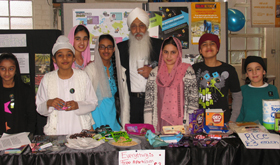
Here’s the sangat at a Leeds Guru Nanak Nishkam Sewak Jatha Gurdwara holding a Fairtrade stall during last year’s Fairtrade Fortnight.

For more information about Fairtrade please visit http://www.fairtrade.org.uk

or email abirdi@live.co.uk for more info on getting your Gurdwara involved.

Faith and health leaders gather to discuss compassion and launch a ‘faith inspired’ innovation for community care

Following the publication of the Francis Report earlier this year, healthcare professionals across the service have faced heightened scrutiny over their ability to show compassion and empathy for their patients. Whilst care and compassion have always been the values that have underpinned the ethos of the NHS, they also resonate closely with virtues propagated by all major religious traditions of the world, as core principles of faith.

The event demonstrated the usefulness of sharing values for collective actions by all stakeholders for the common good of healthcare, also helping to enhance compassion for improving lives and uplift humanity.

There was also an opportunity for visitors to sign the International Charter for Compassion, a document which urges the

Esteemed speakers at the event included:

  • Bhai Sahib Bhai Mohinder Singh, Chairman of Guru Nanak Nishkam Sewak Jatha (GNNSJ)
  • Revd Paul Holly, Founder of the Anglican Health Network
  • Dr Marius Felderhof, Executive Director of Museum of World Religions
  • Toby Lewis, CEO of Sandwell and West Birmingham Hospital NHS Trust
  • Madge Milligan-Green, CEO of OSCAR Birmingham
  • Dr Manvir Kaur Hayer, Chairperson of the Nishkam Health Trust
  • Jyotveer Singh Gill, Founder of AnonCare

Chief Executive of Sandwell and West Birmingham Hospitals NHS Trust said, “I congratulate AnonCare on something to me that seems to offer exactly the opposite spirit of what we’ve experienced with the NHS IT programme over the last ten years, something that can be grounded in the real values people bring to work rather than something that can be brought to bear from above.”

He went on to say, “In the end this isn’t about a NHS changing or an NHS being replaced, it’s about an NHS and that set of communities we serve, re-connecting with the values that brought us into the health service in the first place. So the challenge we face in delivering the compassion that much of the time we deliver so well, is how we reconnect people who service in the health service not only to the people they serve but to the reason they came to serve in the first place.”

Dr Marius Felderhof, Executive Director of Museum of World Religions said, “The ethos of being valued and loved, together with hope, are key components to health and wellbeing. The major religious traditions are powerful resources for transmitting this ethos and help to counter some of the structural features of institutions and personal life that work to undermine our compassion for others.

The evening was also an opportunity to launch a digital health network to help support patients and go beyond the traditional features of ‘comment, share and like’ to allow users to ‘wish well’ and ‘offer and prayer’ and allow compassion to go viral.

Generated from within our health system and guided in its initial development by the Chairman of GNNSJ, Bhai Sahib Bhai Mohinder Singh, the ‘AnonCare’ heath system is an exciting merger of the latest in technology and practice of age old values that aim to help people feel, understand, and respond to the suffering of others while maintaining genuine relationships of caring across class, creed and boundaries.

The Innovation invites patients, carers and healthcare professionals to reach out to those on the network, who as a result of a health condition, may be subject to feelings of isolation, loneliness, and helplessness. It is anticipated that the compassion networking site will help reduce over reliance on healthcare services by creating inter dependency and inter support and consultation within the community.

Jyotveer Singh Gill, Founder of AnonCare said:  “AnonCare is a fantastic system which presents an opportunity to go beyond self-interest and give of oneself for the good of the other.

“We recognise we are now living in a ‘global village’ and as a result of the digital revolution, we can promote local solutions to national challenges. Through the sharing of information I am convinced members can help encourage others live healthier lives. But this needs individual action for the greater good. I would encourage anyone with an interest in health or healthcare to sign up.”

Chairman of GNNSJ, Bhai Sahib Mohinder Singh said: “If there is no compassion, there is no religion there is no faith. In fact faith rest on compassion.”

Bhai Sahib went on to say: “We can enhance compassion through empowering people. Our mind is our best friends and worst enemy at the same time, so we are required to address our mind. We need to have a new mind set,  to see how we can go beyond ourselves to help others, how can we more altruistic, how can we be more selfless.

Kulvinder Singh Sandhu, event visitor said: “Attending the event was a fantastic affair. I learned so much from eminent speakers. I went as an individual carer and therefore did not intend to network. It was from one extreme of being at home most of last 8 years spent caring and coordinating care, to sitting in an audience of experts.”

To view event booklet, please click here.

ENDS

Notes for Editors

1. Guru Nanak Nishkam Sewak Jatha (GNNSJ) is a multi-faceted, faith based organisation practicing and propagating the Sikh Dharam (faith) in the name of Guru Nanak Dev Ji (1469-1539). It has been involved in selfless intra-faith work in Kenya and India informally since 1950, and formally in the UK since 1978 as a registered Charity through five centres for excellence in the inner-city area of Handsworth, Birmingham, where its Headquarters are based. GNNSJ also has sister organisations in Leeds and London (UK) and branches in Kericho (Kenya) and Amritsar (India). Significant achievements have been made by GNNSJ in the conservation and restoration of historical Sikh shrines.

Chaired by Bhai Sahib Dr Mohinder Singh it aims to serve and uplift society through the practice of core values – nishkamta, or the spirit of selflessness, being one of them. Inspired by Dharam (religion) GNNSJ has generated a flourishing culture of volunteering, which has contributed immensely to transforming visionary projects into reality.  For his services to religious faith propagation, community service, education and research, Bhai Sahib has been awarded two Honorary Doctorates from Birmingham’s Universities. Bhai Sahib Mohinder Singh was also created a knight by the Holy Father Pope Benedict XVI in recognition of his dedicated work for Roman Catholic-Sikh relations and for his enthusiastic commitment to working for peace among people of all faiths. He is passionate about values-based education and is the Patron of the Nishkam Education Trust which has set-up Nishkam Nursery (2009), Nishkam Primary Free School (2011) and Nishkam Secondary School with 6th Form (2012).

2. AnonCare is a unique web based patient portal which is faith inspired and generated from within the NHS. The health network aims to motivate patients to care for one another and promote shared values of compassion and empathy, to offer a universal human response to the suffering of others.

Through its features the innovation offers significant benefits for patients, carers and providers in the management of health and wellbeing.

3. The Charter for Compassion is a document that transcends religious, ideological, and national differences. Supported by leading thinkers from many traditions, the Charter activates the Golden Rule around the world.

The Charter for Compassion is a cooperative effort to restore not only compassionate thinking but, more importantly, compassionate action to the center of religious, moral and political life. Compassion is the principled determination to put ourselves in the shoes of the other, and lies at the heart of all religious and ethical systems.

http://compassionateaction.org

Kenyan Governor visits Gurudwara and Nishkam Centre during investment mission to Europe

DSC_4365His Excellency Prof Paul Chepkwony, the Governor of Kericho County (Kenya) arrived in the UK seeking partners who would invest in his county. The trip included visits to Sweden and Germany. He visited Birmingham’s Guru Nanak Nishkam Sewak Jatha (GNNSJ) as part of his mission to strengthen shared responsibility to develop Kericho County.

His Excellency Prof Paul Chepkwony was accompanied by his Chief of Staff Charles Kirui, Dr Moses Langat and other prominent Kenyans, mainly with links to Kericho County. The reciprocal visit was arranged following the recent visit of 160 GNSSJ volunteers going to Kericho for the free annual medical camp and contribution to other voluntary projects namely supporting a local orphanage, a local school, health projects and conducting a prayer service for world peace.

The visit began with a humble presentation of single roses by the guests to Guru Granth Sahib Ji, the eternal Guru of the Sikhs and receiving Guru Ji’s blessings. This was then followed by a visit to the roof-top Guru Darbar (prayer court). The guests then visited the Guru Kitchen where they learned that volunteers prepared and served approximately 25,000 free meals every week. After visiting the Nishkam Health Centre and the Community Cooperative, the delegation made its way to see the Nishkam free schools. The dignitaries were then treated to a nostalgic exhibition about “the holy man of Kericho” marking the founder saint of GNNSJ, Sant Baba Puran Singh Ji’s 30th anniversary.

Chairman of GNNSJ and Nishkam Centre, Bhai Sahib Dr Mohinder Singh, formally welcomed the esteemed delegation and shared with them Baba Ji’s stay in Kericho for over 49 years from 1925 to 1974 and his contribution to the town of Kericho.  Bhai Sahib said: “We welcome our beloved guests and partners who have honoured us by making time from their busy trade schedule to see how we can create greater synergies with the projects we are involved in in Kericho”. Later he went on to conclude that values and education were crucial precursors for creating better professionals and human beings per se.

The guests were in awe to learn that over the last 18 years GNNSJ had invested some £8m on projects in Kericho. Furthermore, 1,800 volunteers had spent on average 2 weeks volunteering per year in Kericho. This equated to almost £3m worth of voluntary hours. When it transpired that GNNSJ had attracted financial support from prestigious organisations like Aston Villa Football Club and Accenture the guests were moved. His Excellency, on behalf of the Kericho County and Kenyan Government pledged that he would not only support all future endeavours but he would mobilise resources at his disposal to ensure the success of all projects. He went on to offer financial support by way of match-funding to make Kericho County a model town. Having seen the examples of regeneration of the Grade II listed buildings in Handsworth, the Nishkam Schools and the values ethos, the delegation requested support to regenerate Highlands School in Kericho and pledged 200 million Kenyan Shillings to bring sports projects to fruition.

His Excellency appealed, “Bhai Sahib Ji, please take the Highlands School project and create something remarkable for us to work with and ensure that future DSC_4407generation are provided with the best standard of education. Whilst walking around your school and seeing the transformation from dereliction to the idyllic, conducive learning environments that you have created leaves me with a vision. A vision to do the same for the children of Kericho County, please join us to make this a reality.”

He continued, “What I have seen today is leadership, action, spirituality, humility and warmth beyond words. Having seen first-hand the fantastic work that you have also done in Kericho, I can see what makes that possible. It is great spiritual drive, great volunteers and great visionary leadership.” His Excellency also stated, “Your community has gained another friend today, please visit us whenever you are in Kericho and together let us make it a safer, more beautiful and welcoming County. You have created some great synergies and we want to add to that and drive the development of Kericho County even more.”

The discussion continued around the need for a new consciousness, new ethos and mind-set coupled with empowering people with values to live in the new global village.  Finally gifts were exchanged and Bhai Sahib Dr Mohinder Singh formally presented each delegate a gift. The day ended with the sharing of Langar (blessed vegetarian food) from the Guru’s Kitchen, where over one million free vegetarian meals are prepared and served every year to visitors by volunteers.

ENDS

Notes to Editors:

1. Guru Nanak Nishkam Sewak Jatha (GNNSJ) is a multi-faceted, faith based organisation practicing and propagating the Sikh Dharam (faith) in the name of Guru Nanak Dev Ji (1469-1539). It has been involved in selfless intra-faith work in Kenya and India informally since 1950, and formally in the UK since 1978 as a registered Charity through five centres for excellence in the inner-city area of Handsworth, Birmingham, where its Headquarters are based. GNNSJ also has sister organisations in Leeds and London (UK) and branches in Kericho (Kenya) and Amritsar (India). Significant achievements have been made by GNNSJ in the conservation and restoration of historical Sikh shrines.

Chaired by Bhai Sahib Dr Mohinder Singh it aims to serve and uplift society through the practice of core values – nishkamta, or the spirit of selflessness, being one of them. Inspired by Dharam (religion) GNNSJ has generated a flourishing culture of volunteering, which has contributed immensely to transforming visionary projects into reality.

For his services to religious faith propagation, community service, education and research, Bhai Sahib has been awarded two Honorary Doctorates from Birmingham’s Universities. He is passionate about values-based education and is the Patron of the Nishkam Education Trust which has set-up Nishkam Nursery (2009), Nishkam Primary Free School (2011) and Nishkam Secondary School with 6th Form (2012) and Nishkam School West London (Sept 2013).

For more information visit:

Round-table discussion at Synagogue attracts interest and promotes interfaith dialogue

DSC_4788Chairman of Birmingham’s Guru Nanak Nishkam Sewak Jatha (GNNSJ) and NCA, Bhai Sahib Dr Mohinder Singh was invited to the New North London Synagogue in Finchley to partake in a roundtable interfaith discussion. The event, which was about what we are doing here on earth, with four speakers renowned for their faith-inspired work, attracted enormous interest within the local Jewish community.

On Sunday 8th September 2013, the New North London Synagogue in Finchley hosted an evening of interfaith reflections shared by four leading figures from the Jewish, Christian and Sikh faith traditions.  Invited to participate alongside Bhai Sahib were: Rabbi Shoshana Boyd-Gelfand, Director of JHub, supporting charities in the areas of social action and innovation, Reverend Rose Hudson-Wilkins, 79th Chaplain to the Speaker of the House of Commons and Terry Waite, former special envoy for the Church of England whose work in negotiating the release of hostages led to his own captivity in Beirut for over four years.

The event organised and led by Rabbi Jonathan Wittenburg, attracted a large audience of about 150-200 people, largely from the synagogue community.  Falling between the Jewish New Year and Day of Atonement and finishing with a Penitential Service, the discussion sought to draw out reflections from the panel on the ‘biggest and deepest questions’ of human existence and their journey of faith.  The speakers moved from sharing their experiences of childhood and considering the formative, grassroots factors which had inspired their life of faith, to discussing the transformative power and practical application of faith-based values.

Revd Rose Hudson-Wilkins recounted her inner calling to serve as a youngster in her early teens and as well as some of the challenges she has confronted as a female faith leader.  Born in Jamaica, she was raised without her mother but within a family setting.  Recalling these times she observed that her faith was not ‘learned’ as such through theological training, but inspired and absorbed through seeing it lived out through people around her as she grew up, for example, through their trust that ‘God would provide’ in times when food and money were scarce.

Bhai Sahib shared with the audience the loss of his own mother when he was a very young child, describing how this set him on a journey of inner questioning about the meaning and purpose of life, leading him to explore and practice the Sikh faith he was born into.  He described the link between the concepts of faith, trust and hope and stressed the Sikh teaching that compassion is the essential bedrock of faith.  Remarking that forgiveness is the action which emanates from compassion, he observed, to the positive murmurs of the audience, that only mothers seem to share with God the ability to absolutely forgive and that it is a phenomenon we should all learn from.  He explained that the Sikh word for faith – dharam – had the connotation of love and service, with a sense of responsibility to both God and all elements of creation, where our interconnectedness and interdependence is deeply valued and none is a stranger or foe.

Terry Waite reflected on the deep learning arising from his first-hand experiences, both in captivity itself and in his act of revisiting and engaging with his DSC_4783captors to secure the safety and freedom of others.  He described how the quiet application of faith-inspired values made the ultimate difference in drawing out another’s humanity.  He presented faith as a way of being that was internalised through the values by which one thinks and acts, reiterating the importance of a ‘living’ faith which is found beyond the ritual and dogma of religion.  The other speakers strongly resonated with this.

Rabbi Shoshana Boyd-Gelfand reflected on the creative, personal and social dimensions of faith practice and commitment.  She described how music and the natural world, beyond conventional prayer or places of worship, were important elements for her personally of faith practice.  She suggested the value of social projects that sets themselves in the far wider context of being ‘God-centred’ rather than centred in the individual alone.

Thanking Rabbi Jonathan Wittenburg for the kind invitation to participate in the event and praising the great work that was being undertaken by the Jewish community. Bhai Sahib said, “The solidarity of faith is crucial. We must all work together to solve the problems of the world together. We cannot afford to keep creating silos; these are not the answer. Faith communities are the answer to many of the world’s problems but we need unity. By promoting interfaith working and having more events like this we can break down preconceptions and misguided barriers.”

He went on, “My tradition informs me, Sach kaho sun leho sabai, jin prem kiyo tin hi prabh payo… Hear ye all this truth; only those exercising love towards all, will meet God. Furthermore, we must recognise all humanity as one – there should be no distinction between friend or foe”.

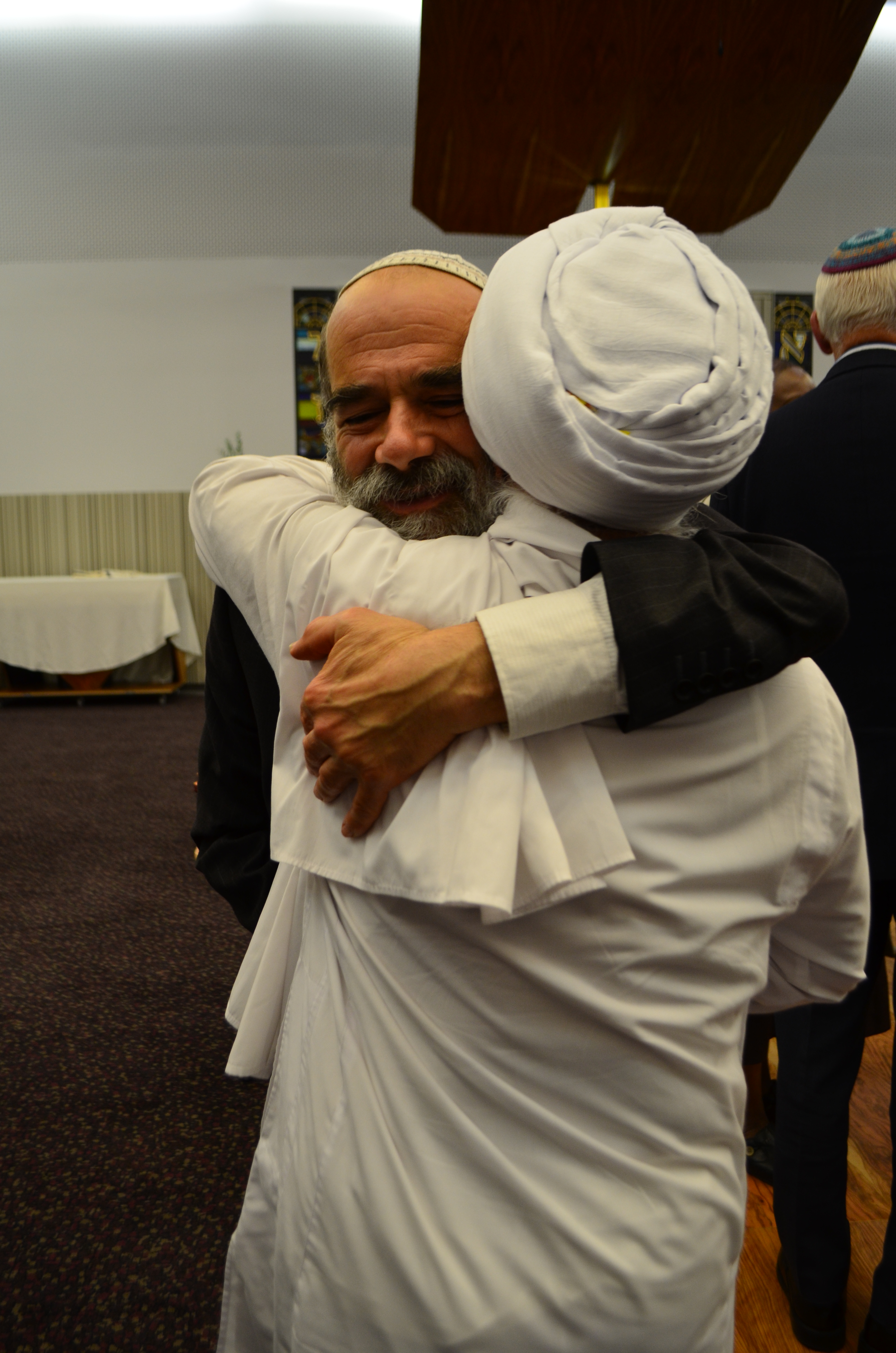
Rabbi Jonathan Wittenburg presented Bhai Sahib with two books and a CD before they gave each other a hug as a token of warm mutual affection.

ENDS

Notes to Editors:

1. More information on the New North London Synagogue (NNLS) and the thriving Masorti community in North-West London in Finchley please see http://www.nnls-masorti.org.uk

2. Guru Nanak Nishkam Sewak Jatha (GNNSJ) is a multi-faceted, faith based organisation practicing and propagating the Sikh Dharam (faith) in the name of Guru Nanak Dev Ji (1469-1539). It has been involved in selfless intra-faith work in Kenya and India informally since 1950, and formally in the UK since 1978 as a registered Charity through five centres for excellence in the inner-city area of Handsworth, Birmingham, where its Headquarters are based. GNNSJ also has sister organisations in Leeds and London (UK) and branches in Kericho (Kenya) and Amritsar (India). Significant achievements have been made by GNNSJ in the conservation and restoration of historical Sikh shrines.

Chaired by Bhai Sahib Dr Mohinder Singh it aims to serve and uplift society through the practice of core values – nishkamta, or the spirit of selflessness, being one of them. Inspired by Dharam (religion) GNNSJ has generated a flourishing culture of volunteering, which has contributed immensely to transforming visionary projects into reality.

For his services to religious faith propagation, community service, education and research, Bhai Sahib has been awarded two Honorary Doctorates from Birmingham’s Universities. He is passionate about values-based education and is the Patron of the Nishkam Education Trust which has set-up Nishkam Nursery (2009), Nishkam Primary Free School (2011), Nishkam Secondary School with 6th Form (2012) and Nishkam School West London (2013).

For more information, visit http://www.nishkammediacentre.com
Sikh community rallies to Pope’s call to pray for peace in Syria and the World

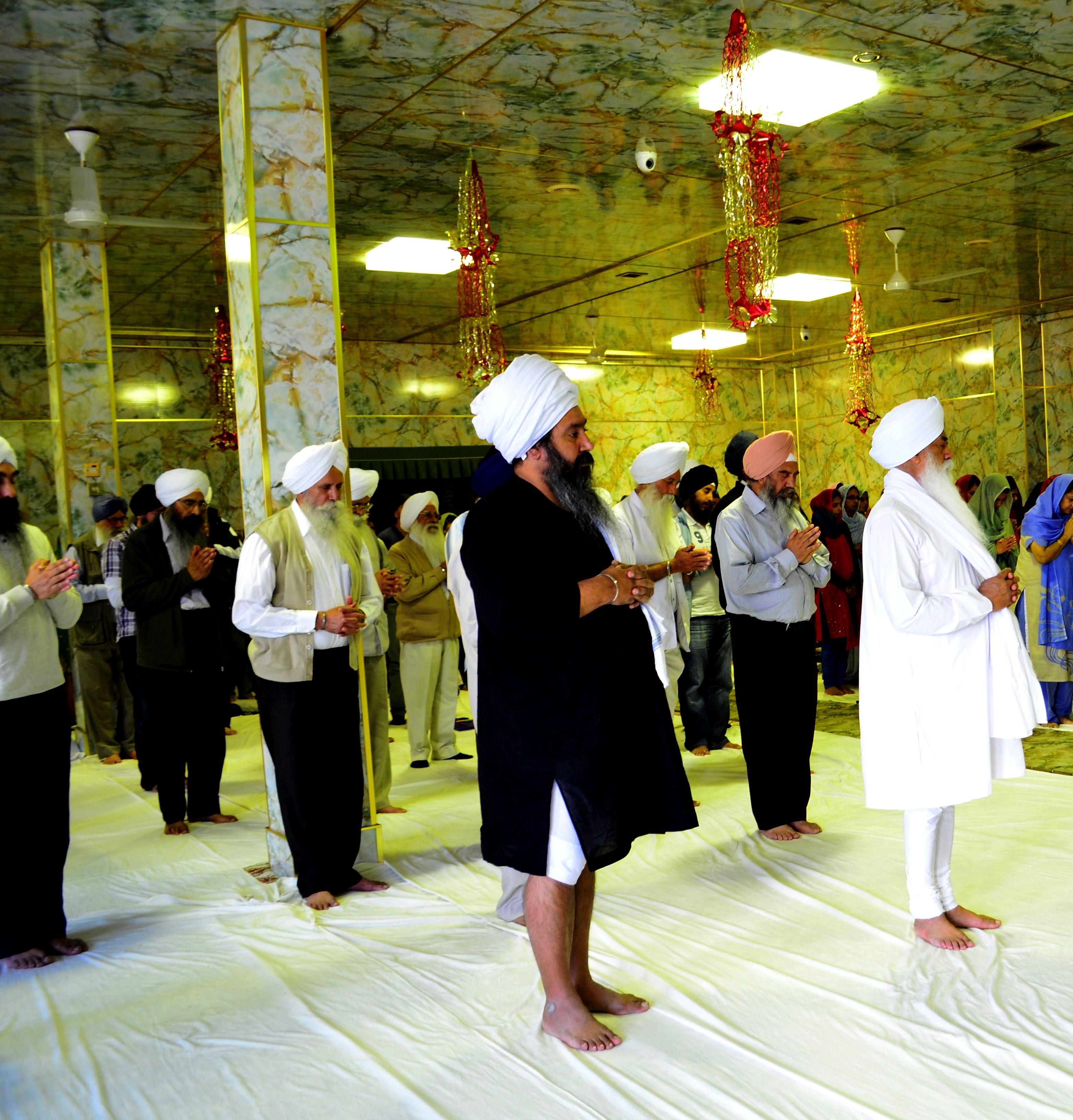
Ardas 7th SeptFollowing an invitation from His Eminence, Cardinal Jean-Louis Tauran, of the Pontifical Council for Interreligious Dialogue (PCID) on behalf of the Holy Pope, Birmingham’s Guru Nanak Nishkam Sewak Jatha (GNNSJ) embraced the opportunity to show faith solidarity and pray for peace in Syria, the Middle East and the whole world. 

7th September 2013 was designated a Day of Prayer for Syria and the whole world. His Holiness the Pope was scheduled to have a vigil in St Peter’s Square from 7pm to 11pm. The Pope invited those of all faiths and none to join in the Day of Prayer in whatever way they could.

Professor Upkar Pardesi, Vice Chairman of the Nishkam Civic Association, said “A request was made to the congregation to attend Sukhmani Sahib Prayers for peace and order in Syria. A message went out that the whole world is apprehensive as leaders are planning to push it even deeper towards bitter war. This looming cloud of destruction over a lot of innocent people was a serious threat to all. In war, not only do the soldiers suffer but also the whole of humanity. A core principle for Sikhs is the lesson of interdependence, interconnectivity and cooperative relationships gifted to us by our Gurus. In this present situation we can only pray to the almighty God to bless us with peace. The important purpose of human life is to be helpful to others. The congregation was requested to participate in this prayer to implore almighty God for peace”.

Chairman of GNNSJ and NCA, Bhai Sahib Dr Mohinder Singh, repeated his message from the fourth bi-lateral Catholic-Sikh Dialogue held at the Nishkam Centre in June 2013, “Who doesn’t want peace? We all want peace, within ourselves, within the world around us; peace within families and within communities; national and international peace; global peace. All seven billion of us have a shared responsibility to chalk out pathways to peace.”

He went on to say that, “Humanity needs religious solidarity more than ever before. We are happy to participate in His Holiness Pope Francis’ call for a day of prayer. I am reminded of a verse from Guru Granth Sahib Ji by Guru Amar Das Ji the 3rd Sikh Guru, the world is suffering, engulfed in the flames of mortal internal and external destructive forces. We plead to you God – through Your mercy please protect and save us all. No matter which door or sanctuary or place of worship we come from, take us in to Your refuge and rescue us”.

His Eminence, Cardinal Jean-Louis Tauran, is no stranger to GNNSJ having visited the faith based organisation in June this year. His message from the Pope was embraced with the same love and affection that he and his prestigious delegation received at the centre. During their visit they were made aware of the bi-annual 11 day continuous prayers that are recited for the welfare of all and peace in the world. They also understood that the 26 million Sikhs in the world pray for the welfare of all each day they offer a supplication.

Professor Upkar Pardesi, noted, “The Sikh-Catholic dialogue and the coming together to support a world prayer day further reinforces the continuing warm and open relationship between the Sikhs in Birmingham and the Catholic Church and I believe strengthens the infrastructure for engagement between Sikhs worldwide and the Holy See. We must continue to strengthen faith solidarity and bring communities together to stand up for those who are oppressed in the world”.

ENDS

Notes to Editors:

1. Guru Nanak Nishkam Sewak Jatha (GNNSJ) is a multi-faceted, faith based organisation practicing and propagating the Sikh Dharam (faith) in the name of Guru Nanak Dev Ji (1469-1539). It has been involved in selfless intra-faith work in Kenya and India informally since 1950, and formally in the UK since 1978 as a registered Charity through five centres for excellence in the inner-city area of Handsworth, Birmingham, where its Headquarters are based. GNNSJ also has sister organisations in Leeds and London (UK) and branches in Kericho (Kenya) and Amritsar (India). Significant achievements have been made by GNNSJ in the conservation and restoration of historical Sikh shrines.

Chaired by Bhai Sahib Dr Mohinder Singh it aims to serve and uplift society through the practice of core values – nishkamta, or the spirit of selflessness, being one of them. Inspired by Dharam (religion) GNNSJ has generated a flourishing culture of volunteering, which has contributed immensely to transforming visionary projects into reality.

For his services to religious faith propagation, community service, education and research, Bhai Sahib has been awarded two Honorary Doctorates from Birmingham’s Universities. He is passionate about values-based education and is the Patron of the Nishkam Education Trust which has set-up Nishkam Nursery (2009), Nishkam Primary Free School (2011), Nishkam Secondary School with 6th Form (2012) and Nishkam School West London (Sept 2013).

Bhai Sahib, an international promoter of faith and service, was created a Knight last year by the Holy Father Pope Benedict XVI in recognition of his dedicated commitment to working for peace among people of all faiths.

For more information:

Nishkam media Centre – http://www.nishkammediacentre.com
Nishkam School Trust –  http://www.nishkamschooltrust.org

2. Bhai Sahib Dr Mohinder Singh’s modest endevours strive to deliver the eight UN Millennium Development Goals (MDGs) adding three more issues that humanity needs to work on, ie global extremism, global financial crisis and the global erosion of values. He also stressed the need for a new consciousness, new ethos and mind-set coupled with empowering people with values to live in the new global village

The Millennium Development Goals (MDGs) are eight international development goals that were officially established following the Millennium Summit of the United Nations in 2000, following the adoption of the United Nations Millennium Declaration. All 193 United Nations member states and at least 23 international organizations have agreed to achieve these goals by the year 2015.

Additional information about the Millennium Development Goals can be found at http://www.un.org/millenniumgoals


Faith solidarity – Birmingham Buddhist Vihara welcomes and embraces Sikh guests

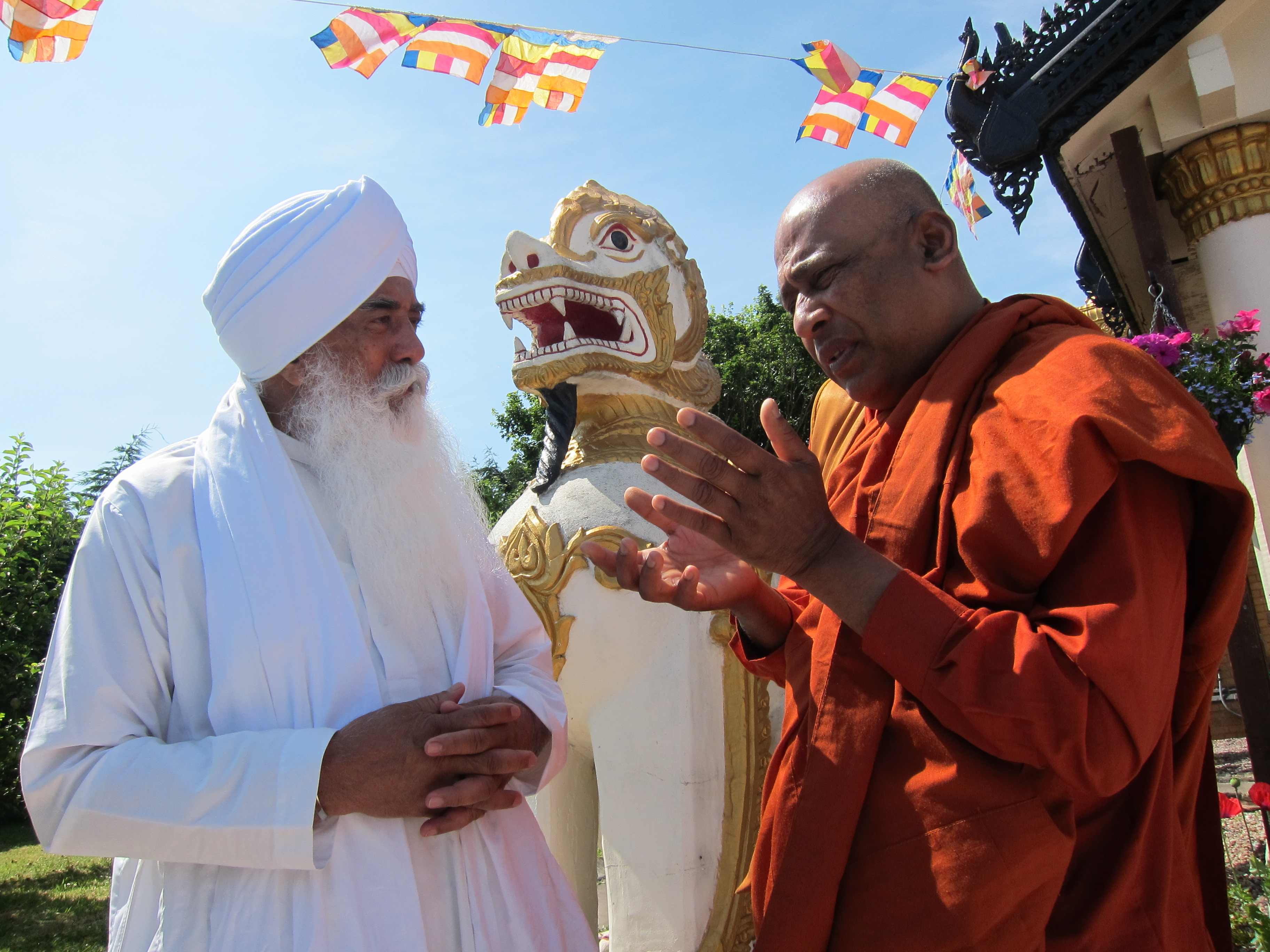
Bhai Sahib with other distinguished guestsChairman of Guru Nanak Nishkam Sewak Jatha (GNNSJ) and the Nishkam Centre, Bhai Sahib Mohinder Singh was one of the many distinguished guests invited to a prestigious event at the Birmingham Buddhist Peace Pagoda.

The event was to mark the launch of a Buddhist Academy, the 15th Anniversary of the Peace Pagoda and a Waso Robe Offering. Bhai Sahib was accompanied by Sewa Singh Mandla and Amrick Singh, Trustee of the Nishkam Centre and Centre Director respectively. The visit strengthened the on-going forging of relationships and demonstrated solidarity amongst the faith communities of Birmingham.

The Peace Pagoda which opened in 1998 stands proud in a residential neighbourhood where its grounds are peaceful and tranquil. Sayadaw Dr. Rewata Dhamma was Founder and Spiritual Director of the Birmingham Buddhist Vihara and Dhammatalaka Peace Pagoda. He passed away peacefully in 2004 and it is firmly believed that without him the Birmingham Buddhist Vihara and Dhammatalaka Peace Pagoda could not have been established.

On arrival the congregation warmly welcomed the Sikh guests and the program continued with an inspiring address by the Ven Dr Uttara Nyana. He spoke at length of how Buddha inspired love for all. He then led the chanting of prayers which was most uplifting and calming.

Bhai Sahib was honoured to be invited to the auspicious event and said, “There is some fantastic work going on here. The academy is much needed and any attempt to improve educational attainment is most welcome. We must work together as people of faith to ensure the wellbeing and success of all. We must impart values in all that we think and do, which is why we created the Nishkam Schools to impart values to children”.

Ven. Dr W Kassapa then spoke to the gathered guests about the great work the Pagoda was doing and went out of his way to thank John Beard, Chair of Birmingham Buddhist Vihara for all his hard work to sustain the centre. He then commented on the frightening matter of security of sacred places, “We must ensure that extremist thugs do not cause damage to our places of worship. It is important that we are guarded against such people. Unlike some traditions that may advocate fighting fire with fire, we are compelled to love all and show anger to none”.   

John Beard shared his heartfelt elation on Bhai Sahib’s presence at the event and commented, ”Both the Ven Dr Uttara Nyana Bhai Sahib and Ven Kassapaand I were deeply honoured that Bhai Sahib Mohinder Singh, Sewa Singh Mandla and Amrick Singh, took time out of their very busy schedules to attend our event.  It was a great personal pleasure for me to have Bhai Sahib Ji, recognise our work at the Peace Pagoda as I consider Bhai Sahib Ji one of the major forces in the protection of faiths and community cohesion that I have ever met”.

Before departing the Pagoda Bhai Sahib thanked John Beard for organising and inviting him to mark a great landmark event. He also met with Ven Kassapa and discussed the sanctity of sacred places of worship and the need to respect and preserve each other’s places of worship. Bhai Sahib is working tirelessly to get the sanctity of all faith shrines protected and also to strengthen solidarity of faith communities.

ENDS

Released by: Nishkam Centre

Telephone: 0121 515 4229

Email: amrick.ubhi@ncauk.org

 
Notes to Editors:
1. Guru Nanak Nishkam Sewak Jatha (GNNSJ) is a multi-faceted, faith based organisation practicing and propagating the Sikh Dharam (faith) in the name of Guru Nanak Dev Ji (1469-1539). It has been involved in selfless intra-faith work in Kenya and India informally since 1950, and formally in the UK since 1978 as a registered Charity through five centres for excellence in the inner-city area of Handsworth, Birmingham, where its Headquarters are based. GNNSJ also has sister organisations in Leeds and London (UK) and branches in Kericho (Kenya) and Amritsar (India). Significant achievements have been made by GNNSJ in the conservation and restoration of historical Sikh shrines.
 
Chaired by Bhai Sahib Dr Mohinder Singh, it aims to serve and uplift society through the practice of core values – nishkamta, or the spirit of selflessness, being one of them. Inspired by Dharam (religion) GNNSJ has generated a flourishing culture of volunteering, which has contributed immensely to transforming visionary projects into reality.  For his services to religious faith propagation, community service, education and research, Bhai Sahib has been awarded two Honorary Doctorates from Birmingham’s Universities. Bhai Sahib Mohinder Singh was also created a knight by the Holy Father Pope Benedict XVI in recognition of his dedicated work for Roman Catholic-Sikh relations and for his enthusiastic commitment to working for peace among people of all faiths. He is passionate about values-based education and is the Patron of the Nishkam Education Trust which has set-up Nishkam Nursery (2009), Nishkam Primary Free School (2011) and Nishkam Secondary School with 6th Form (2012).
 

Cardinal Tauran receives Red Carpet Reception at Guru Nanak Nishkam Sewak Jatha

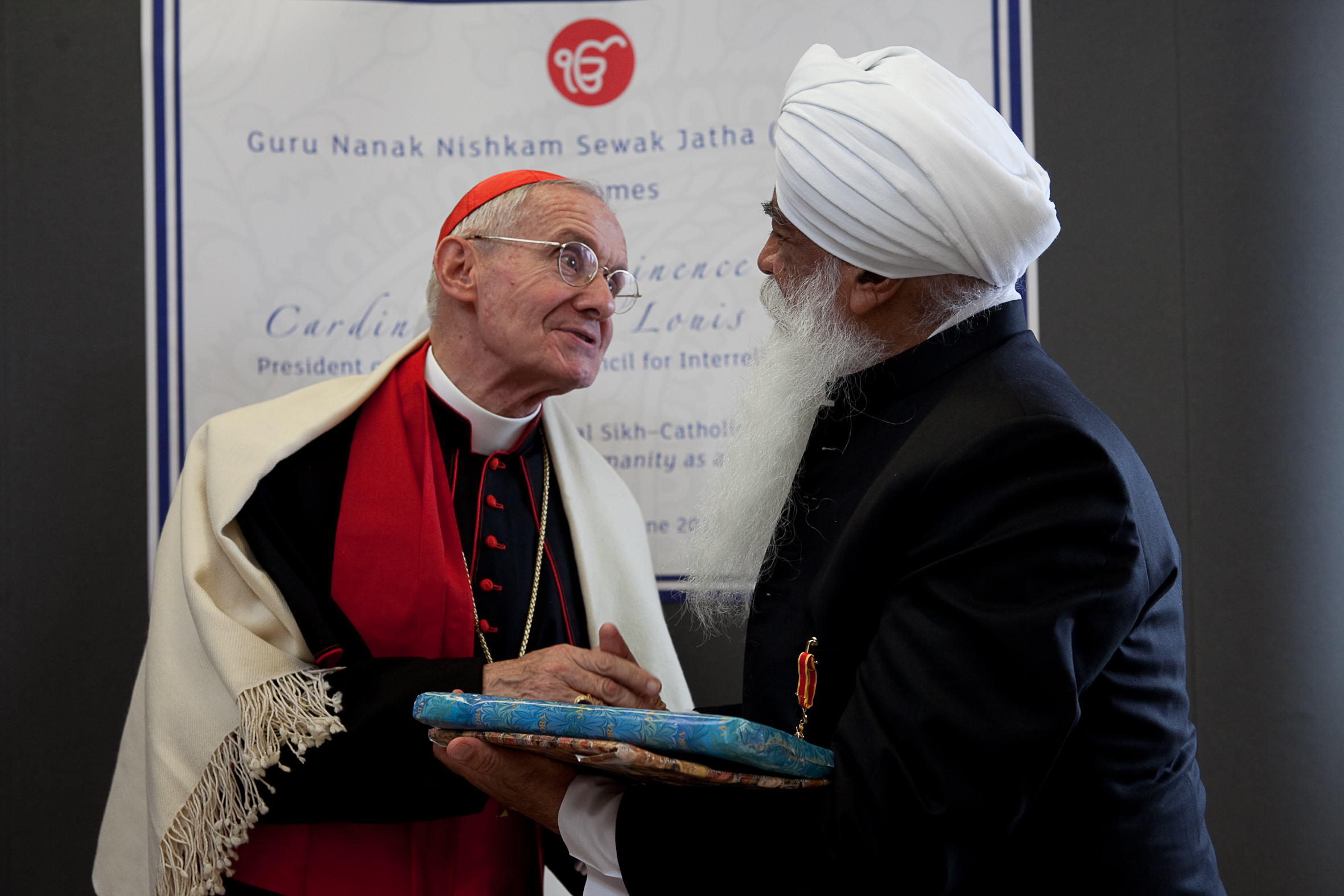
Bhai Sahib with Cardinal Jean-Louis Tauran

Bhai Sahib with Cardinal Jean-Louis Tauran

A red carpet was rolled out to welcome His Eminence, Cardinal Jean-Louis Tauran, President of the Pontifical Council for Interreligious Dialogue (PCID) and advisor to the Holy Pope when he visited Birmingham’s Guru Nanak Nishkam Sewak Jatha (GNNSJ), as part of his programme to help strengthen UK interfaith relations.

Accompanying the Cardinal was Chair of Episcopal Office for Relations with Other Religions, Archbishop Kevin McDonald, the Archbishop of Birmingham Archdiocese, Archbishop Bernard Longley, Father Santiago Michael of the PCID and esteemed delegates representing the Vatican.

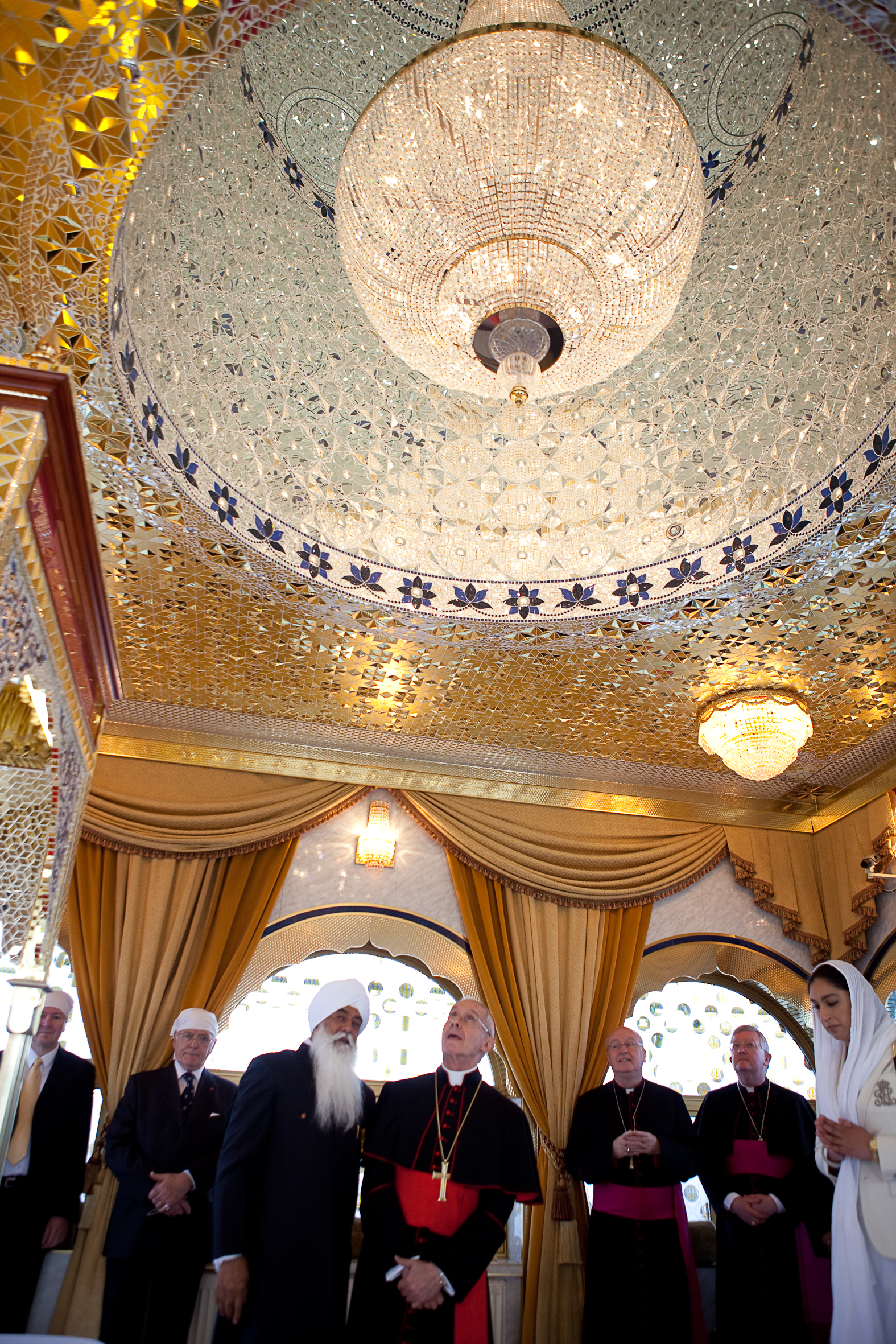
The visit began with a humble presentation of bouquets by the guests to Guru Granth Sahib Ji, the eternal Guru of the Sikhs and receiving Guru Ji’s blessings. This was then followed by a visit to the roof-top Guru Darbar (prayer court) where kirtan (hymn) was being performed. The guests proceeded to visit the Nishkam Centre for refreshments. Interfaith dialogue on the theme ‘Catholics and Sikhs: Service to humanity as a contribution to peace’ followed thereafter in the Conference Hall.

Chairman of GNNSJ, Bhai Sahib Dr Mohinder Singh, formally welcomed the esteemed delegation to the Nishkam Centre for the fourth bi-lateral Catholic-Sikh Dialogue. Bhai Sahib said: “Who doesn’t want peace? We all want peace: within ourselves, within the world around us; peace within families and within communities; national and international peace; global peace. All seven billion of us have a shared responsibility to chalk out pathways to peace.”

Bhai Sahib, an international promoter of faith and service, was created a Knight last year by the Holy Father Pope Benedict XVI in recognition of his dedicated commitment to working for peace among people of all faiths. At the event he affirmed GNNSJ’s modest endevours to help deliver the eight UN Millennium Development Goals (MDGs) adding three more issues that humanity needs to work on, which included, global extremism, global financial crisis and the global erosion of values.  Bhai Sahib also stressed the need for a new consciousness, new ethos and mind-set coupled with empowering people with values to live in the new global village.

Cardinal Jean-Louis Tauran said: “I feel extremely happy to be here with you this day, in the course of my visit to the United Kingdom along with Father Santiago Michael of the PCID, aimed at promoting, through the local Church, “dialogue of friendship” between the Catholics and the Sikh Diaspora here.

His Eminence went on to say, ”Today’s seminar on – Catholics and Sikhs: Service to humanity as a contribution to peace – incidentally is taking place in the premises of an organisation whose very name speaks for the importance of ‘service’ in Sikhi. Nishkam Sewa, as I am given to understand, means ‘selfless service’, selfless service for altruistic purposes, for the betterment of the society.

“In your rich (Sikh) tradition, selfless service rendered for the benefit of others is a core concept. It is in fact one of the

A visit to the roof-top Guru Darbar

A visit to the roof-top Guru Darbar

three fundamental principles of Sikhism (Naam Japna, Kirat Karo and Vand Chakko). A concrete and a pre-eminent sign of this spirit of seva is seen in the langar, the free kitchen open to all in the Gurdwaras where every man or woman can find a free meal irrespective of what religion he or she follows, what social status he or she belongs to and wherever they come from”.

Professor Gavin D’Costa shared personal reflections from his childhood. He went on to say, “There is a serious point embedded in these childhood memories. As the Guru Granth teaches, spiritual liberation is attained in the midst of laughing, playing, dressing up and eating. Traditional human activities of normal life are the pathway to God and through which God is seen. In Catholicism we too echo this remarkable insight: the everyday is the place of God’s grace. The history of Sikhism is replete with examples of service towards peace. Indeed, this particular Birmingham community has a distinguished history of peace making”.

Dr Jagbir Jhutti-Johal articulated the importance of the Sikh ideology, of which Guru Granth Sahib is the embodiment and how Guru Ji encourages all good people of all beliefs to work together for a tolerant and just world order.

The Sikh-Catholic dialogue reinforced the continuing warm and open relationship between the Sikhs in Birmingham and the Catholic Church and strengthened the infrastructure for engagement between Sikhs worldwide and the Holy See.

Gifts were exchanged with the offering of ‘Robes of Honour’ and shawls to the visitors. The day ended with the sharing of Langar (blessed vegetarian food) from the Guru’s Kitchen, where over one million free vegetarian meals are prepared and served every year to visitors by volunteers.

Read Bhai Sahib Dr Mohinder Singh’s full statement here.

Read Cardinal Jean-Louis Tauran’s full statement here.

Read Dr Jagbir Jhutti-Johal’s (University of Birmingham) full statement here.

ENDS

Released by: Nishkam Centre
T: 0121 515 4229
Email: amrick.ubhi@ncauk.org

 Notes to Editors:

1. Guru Nanak Nishkam Sewak Jatha (GNNSJ) is a multi-faceted, faith based organisation practicing and propagating the Sikh Dharam (faith) in the name of Guru Nanak Dev Ji (1469-1539). It has been involved in selfless intra-faith work in Kenya and India informally since 1950, and formally in the UK since 1978 as a registered Charity through five centres for excellence in the inner-city area of Handsworth, Birmingham, where its Headquarters are based. GNNSJ also has sister organisations in Leeds and London (UK) and branches in Kericho (Kenya) and Amritsar (India). Significant achievements have been made by GNNSJ in the conservation and restoration of historical Sikh shrines.

Chaired by Bhai Sahib Dr Mohinder Singh it aims to serve and uplift society through the practice of core values – nishkamta, or the spirit of selflessness, being one of them. Inspired by Dharam (religion) GNNSJ has generated a flourishing culture of volunteering, which has contributed immensely to transforming visionary projects into reality.

For his services to religious faith propagation, community service, education and research, Bhai Sahib has been awarded two Honorary Doctorates from Birmingham’s Universities. He is passionate about values-based education and is the Patron of the Nishkam Education Trust which has set-up Nishkam Nursery (2009), Nishkam Primary Free School (2011) and Nishkam Secondary School with 6th Form (2012).

For more information, visit www.nishkammediacentre.com

2. The Millennium Development Goals (MDGs) are eight international development goals that were officially established following the Millennium Summit of the United Nations in 2000, following the adoption of the United Nations Millennium Declaration. All 193 United Nations member states and at least 23 international organizations have agreed to achieve these goals by the year 2015.
Additional information about the Millennium Development Goals can be found at http://www.un.org/millenniumgoals