Nishkam Civic Association Hosts United Religions Initiative Conference on Reducing Religiously Motivated Hate Crimes

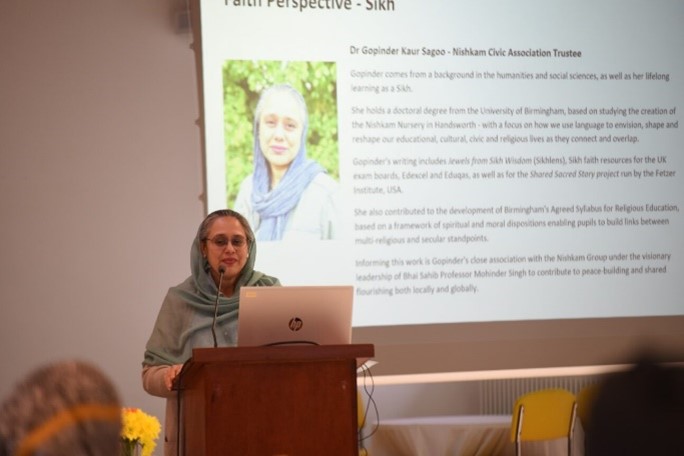
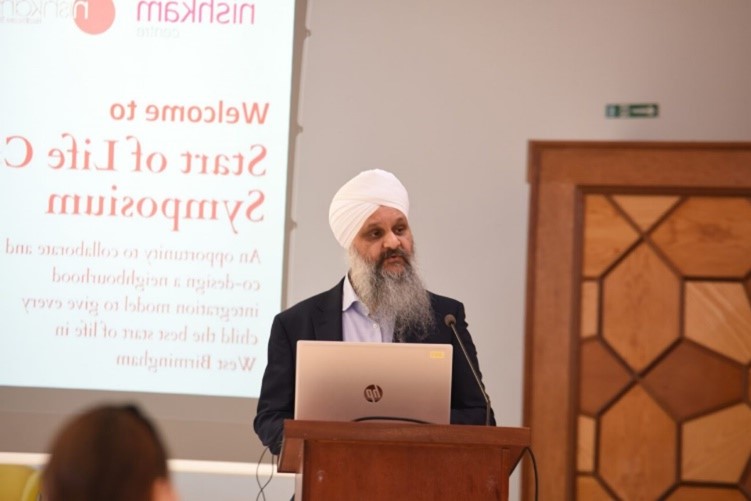
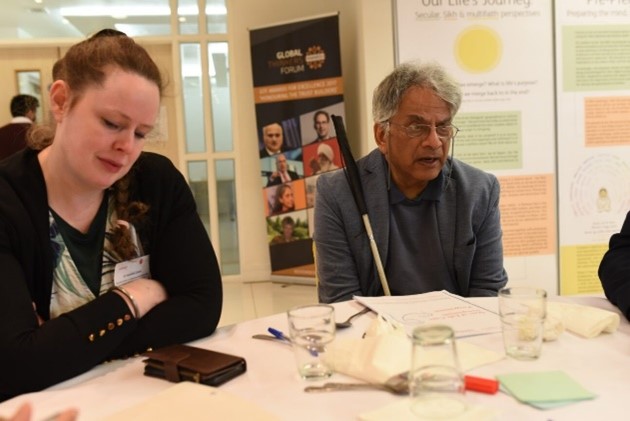
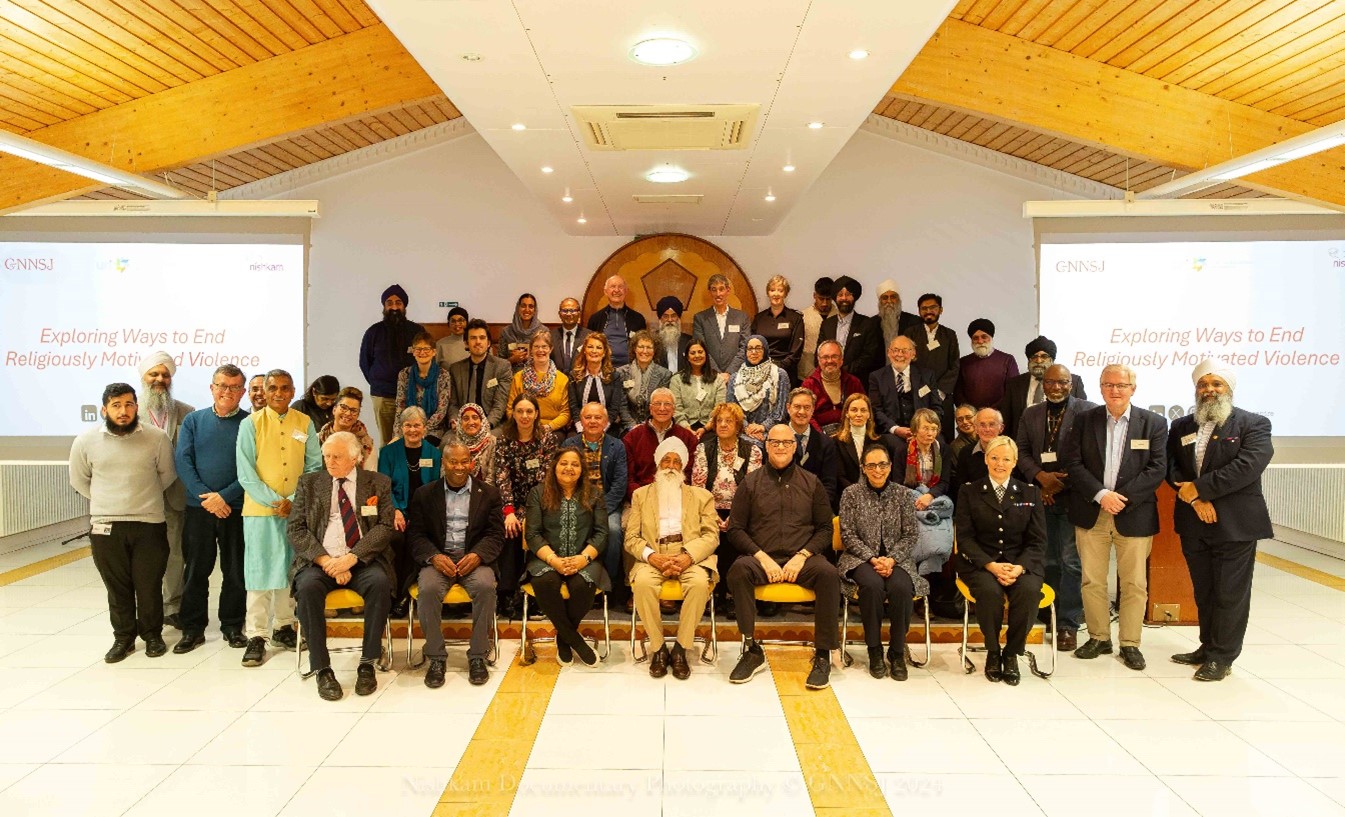
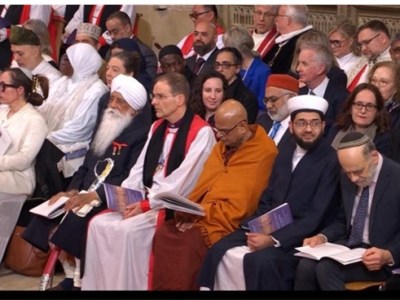
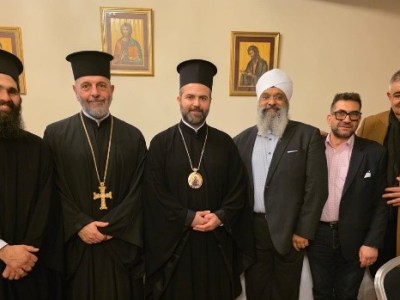
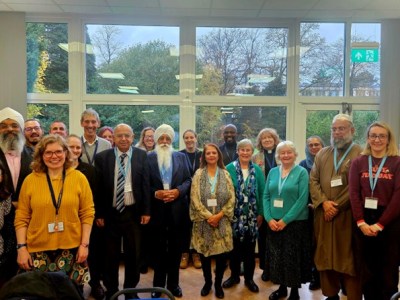
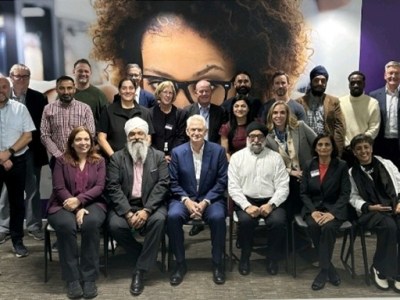
Nishkam Civic Association (NCA) was delighted to host members of the United Religions Initiative (URI) from around the world, local stakeholders and members of the local interfaith community to discuss the topic of ‘Religiously Motivated Hate Crime’ and how we can work together to eradicate violence in all its forms.

Delegates from URI including Preeta Bansal, Global Chair of the URI and Jerry White, Executive Director of the URI along with others from URI Europe, came to Britain for this event at the invitation of URI UK. NCA was among the select places chosen, to address themes such as preventing violence in all its forms and the fragility of interfaith work.

The Conference started with refreshments, an opportunity to network and explore the Value’s Revolution Exhibition. The programme then moved to the Conference Hall where guests enjoyed Kirtan (Singing of Sikh Scriptures) to bless the conference and create a special ambiance for the rest of the night.

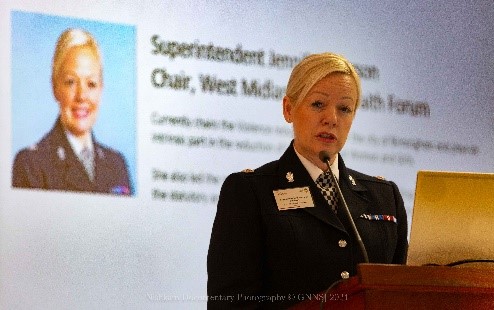
The conference held impactful speeches from several remarkable guests doing fantastic work in their fields.: The first speaker was Superintendent Jennifer Pearson, who set the scene for Birmingham as she listed some powerful statistics. Superintendent Pearson shared that Birmingham is 3rd in religiously motivated hate crime and 1st in racially motivated hate across the nation. She further stressed the importance of faith within policing and the profound role faith collaboration plays in reducing religiously motivated hate crimes.

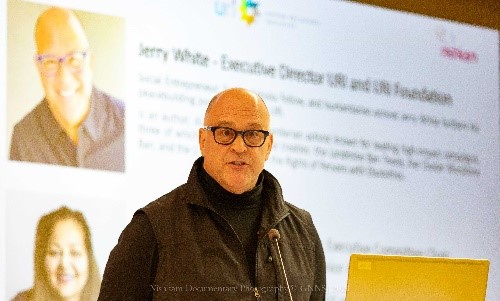
 Jerry White, Nobel Peace Prize Winner for his work to ban landmines and Executive Director of the URI  spoke about the rise of religiously motivated violence, which is the fastest-growing form of violence globally. He went on to talk about how violence is a behaviour that is contagious and spreads, creating a culture of violence and how it is our responsibility to change the culture, going on to speak about the training URI provides to interrupt local violence.

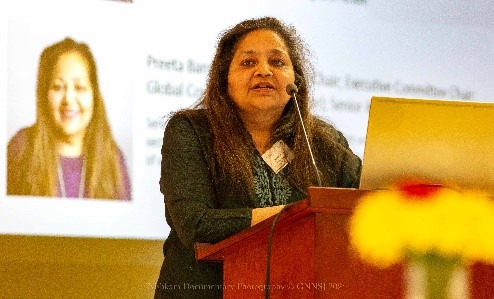
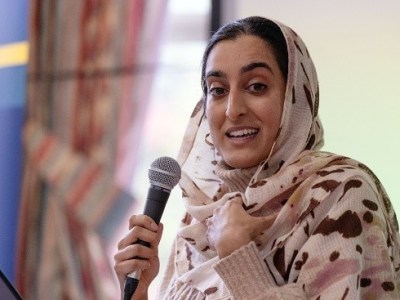
The third speaker, Global Chair of the URI, Preeta Bansal, spoke about a core tenet of the URI’s work in achieving peace and reducing violence – Cooperation Circles (CCs). Preeta conveyed that peace-making is not accomplished alone and how CCs are the key to peace, which form robust interfaith relationships to reduce violence and create a culture of peace, justice and healing. 

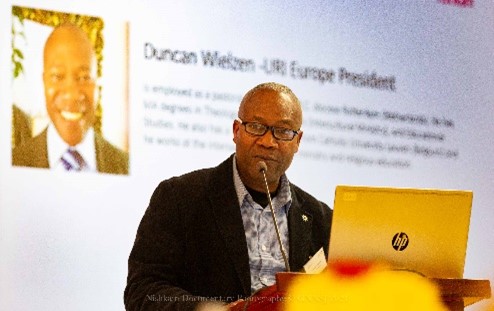
Adding to Preeta’s message of collaboration as a foundation for reducing violence was Duncan Wielzen, URI Europe Chairperson. Duncan spoke about inspiring others to join interfaith groups and how the work of CCs can inspire others to form their own groups and strive to make change in their local area.

Josef Boehle, Director of the Peace Charter for Forgiveness and Reconciliation shared the 13 year journey of the Peace Charter and its presentation to / endorsement by many prominent figures, such as His Holiness Pope Francis and the Prime Minister of Kenya to name just a few. Additionally, Josef spoke about how the charter looks at the intersection between forgiveness and peace.

The penultimate speaker  Professor Jagbir Jhutti-Johal,  spoke about the role of women in achieving peace and how they bring a specific set of skills and values, citing a research study which concludes that when women are involved in peace negotiations or peace building, success is 20% more likely.

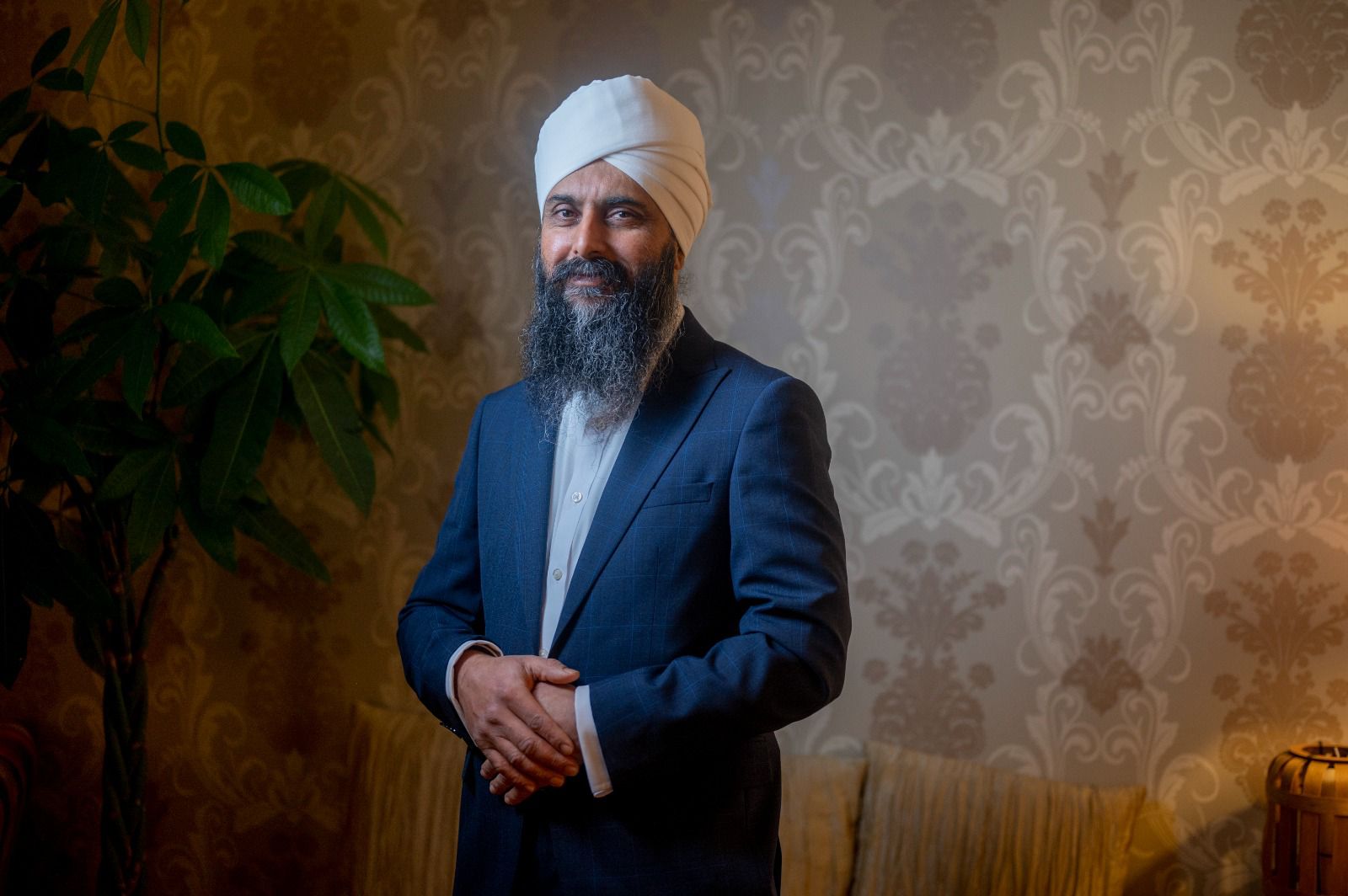
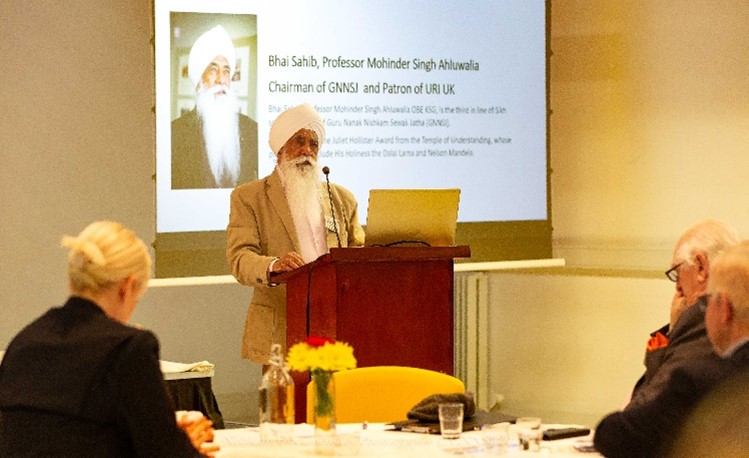
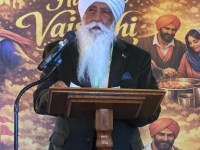
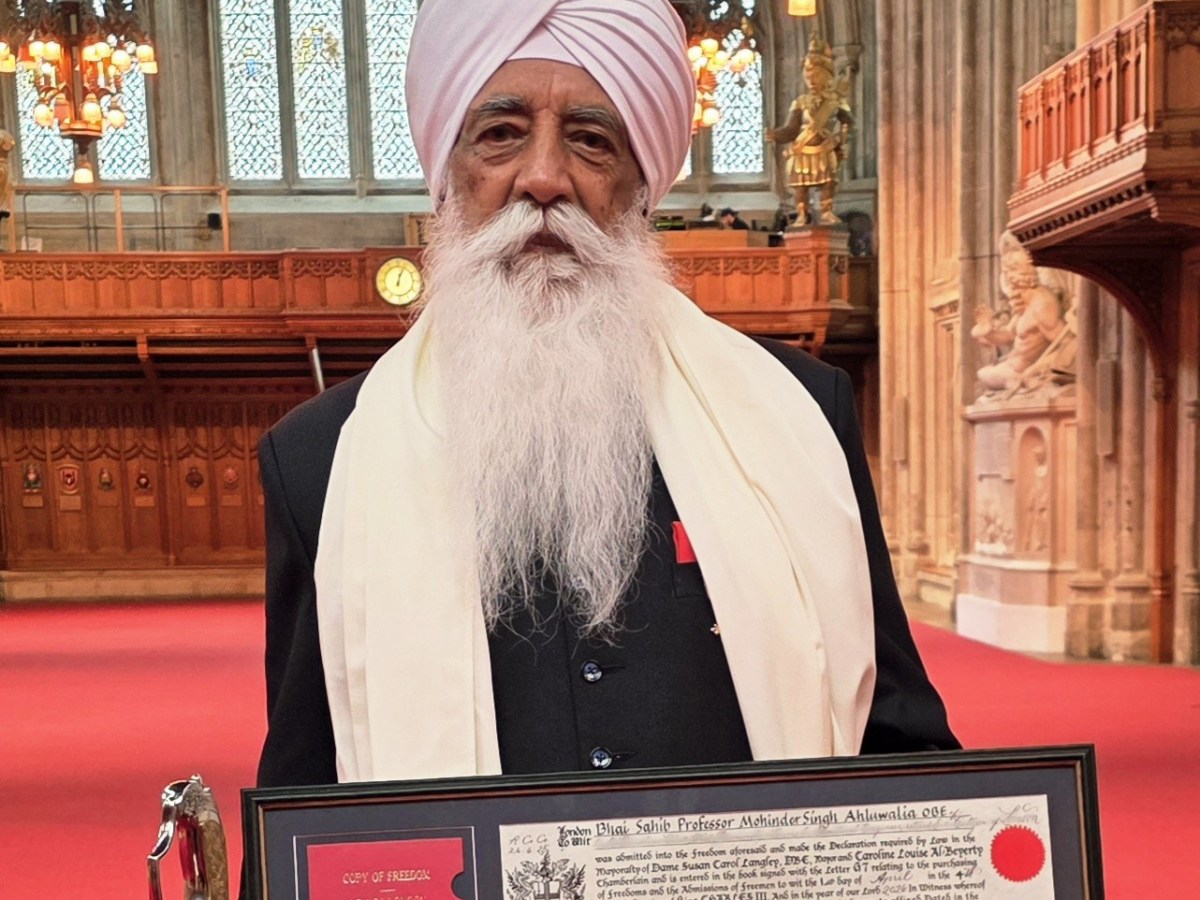
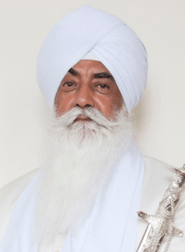
The keynote speaker was Patron of Nishkam Organisations and URI UK, Bhai Sahib, Professor Mohinder Singh Ahluwalia OBE KSG. Bhai Sahib Ji articulated the juxtaposition of religion and violence as religion is peaceful. Continuing to provide an insight into the origin of violence and how vices and external forces which partially form the mind can lead to violence and vengeful retaliation, creating a cycle of escalating violence.

The conference gave an insight into how we can continue to collaborate with partners and strategize to reduce religiously motivated violence and create change in our communities by overcoming the barriers that prevent the formation of peace within communities.

In the spirit of Sikh hospitality, tradition and service, the evening concluded with everyone partaking in Guru Ka Langar (Blessed meal).

Preeta Bansal shared: “We, the global leadership of the United Religions Initiative, were heartened to feel and see the remarkable work of our interfaith cooperation circles in the United Kingdom. The Nishkam Centre in Handsworth is truly leading an interfaith revolution of values — much like Birmingham led the industrial revolution more than a century ago. The Centre’s tangible commitment to selfless service in the community — manifested in concrete initiatives in the health, welfare, environmental, and education sectors — combined with its active peace making carried out in cooperation with multiple faith communities and the public sector, is truly inspiring. The Nishkam Centre is a model of what URI seeks to support and promote globally — a commitment to daily, enduring interfaith cooperation, to end religiously motivated violence, and to promote peace, justice, and healing for the earth and all living beings. We were pleased to be part of the rich community conversation hosted at the Nishkam Centre, which involved community activists, city leaders, academics, and faith leaders.”

ENDS

The NCA community remains committed to its core values and to providing the best possible education and support to learners and employers, setting its sights on reaching new heights of excellence in the near future.

For media inquiries, please contact: info@ncauk.org

Media Contact Information: Ajit Singh 0121 515 4229

Notes to Editors

About Nishkam Civic Association:

The Nishkam Civic Association (NCA), fondly known as the Nishkam Centre, is a unique organisation charged with the task of developing a dynamic Sikh faith inspired civic agenda, located on Soho Road, Birmingham. It is one of the key Centres for Excellence founded by Guru Nanak Nishkam Sewak Jatha, a Sikh faith-based organisation dedicated to Nishkam Sewa (active, selfless volunteering) to serve the common good.

www.ncauk.org

About United Religions Initiative (URI)

URI, a movement of everyday people making positive change in local communities, is a strong, global grassroots network of interfaith groups bridging differences and finding solutions to issues that affect communities and the world. It is comprised of over 1,100 member groups, called Cooperation Circles, in 112 countries. URI is a non-governmental organisation with consultative status with the United Nations Economic and Social Council.

https://www.uri.org

Celebrating Interfaith Unity and Diversity at Oxford

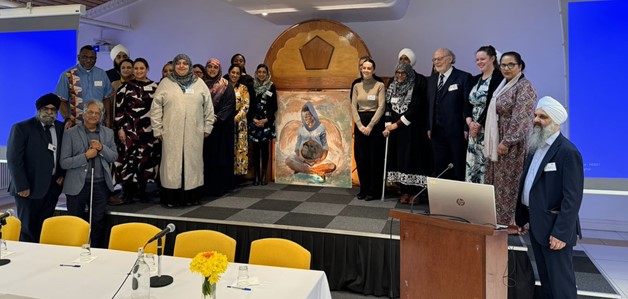
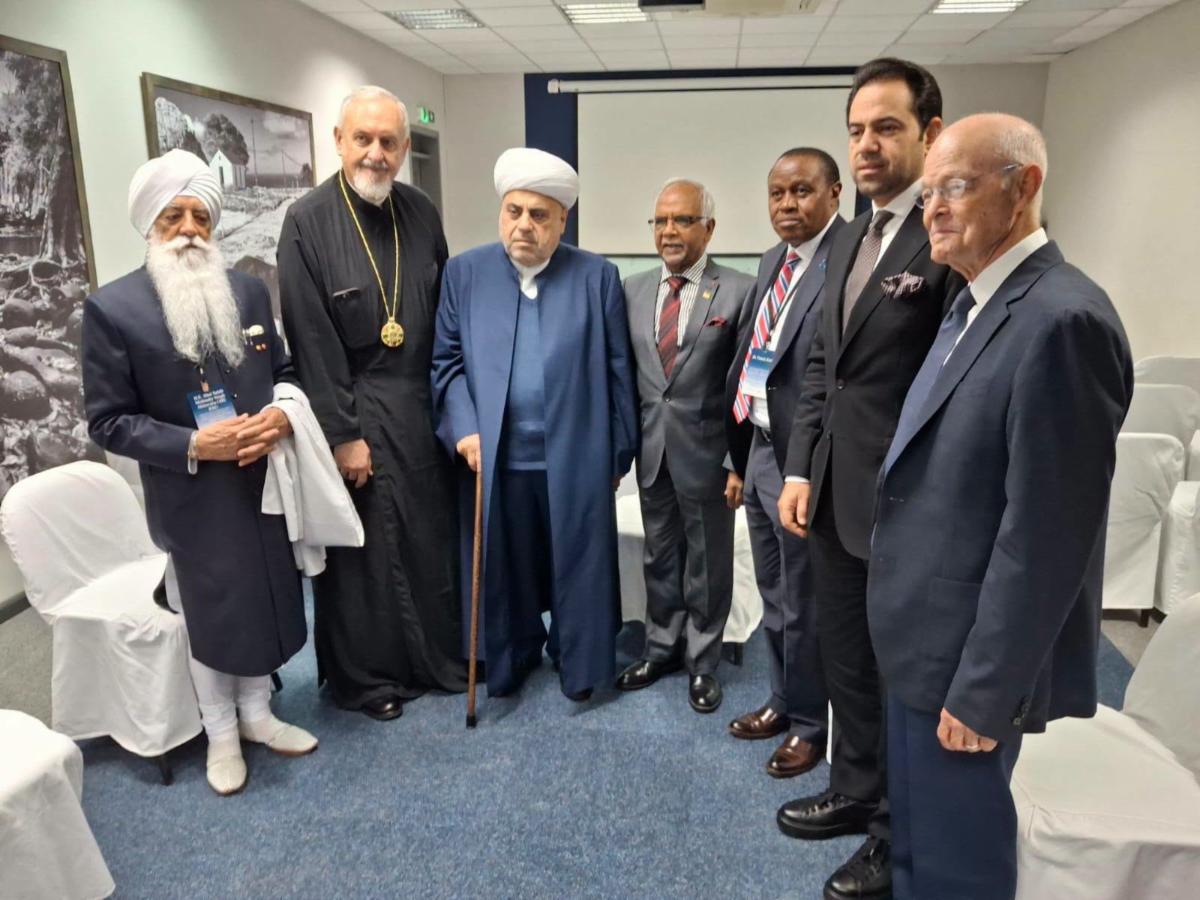
Guru Nanak Nishkam Sewak Jatha (UK) were invited to participate in a range of interfaith events organised and hosted by the Oxford Interfaith Forum, spanning across the rich and historic spaces of the University of Oxford, including the One World Family Festival at the Ashmolean Museum. The occasion marked the second Annual Johaness Lähnemann Interfaith Peacebuilding Lecture within the framework of the UN World Interfaith Harmony Week (WIHW).

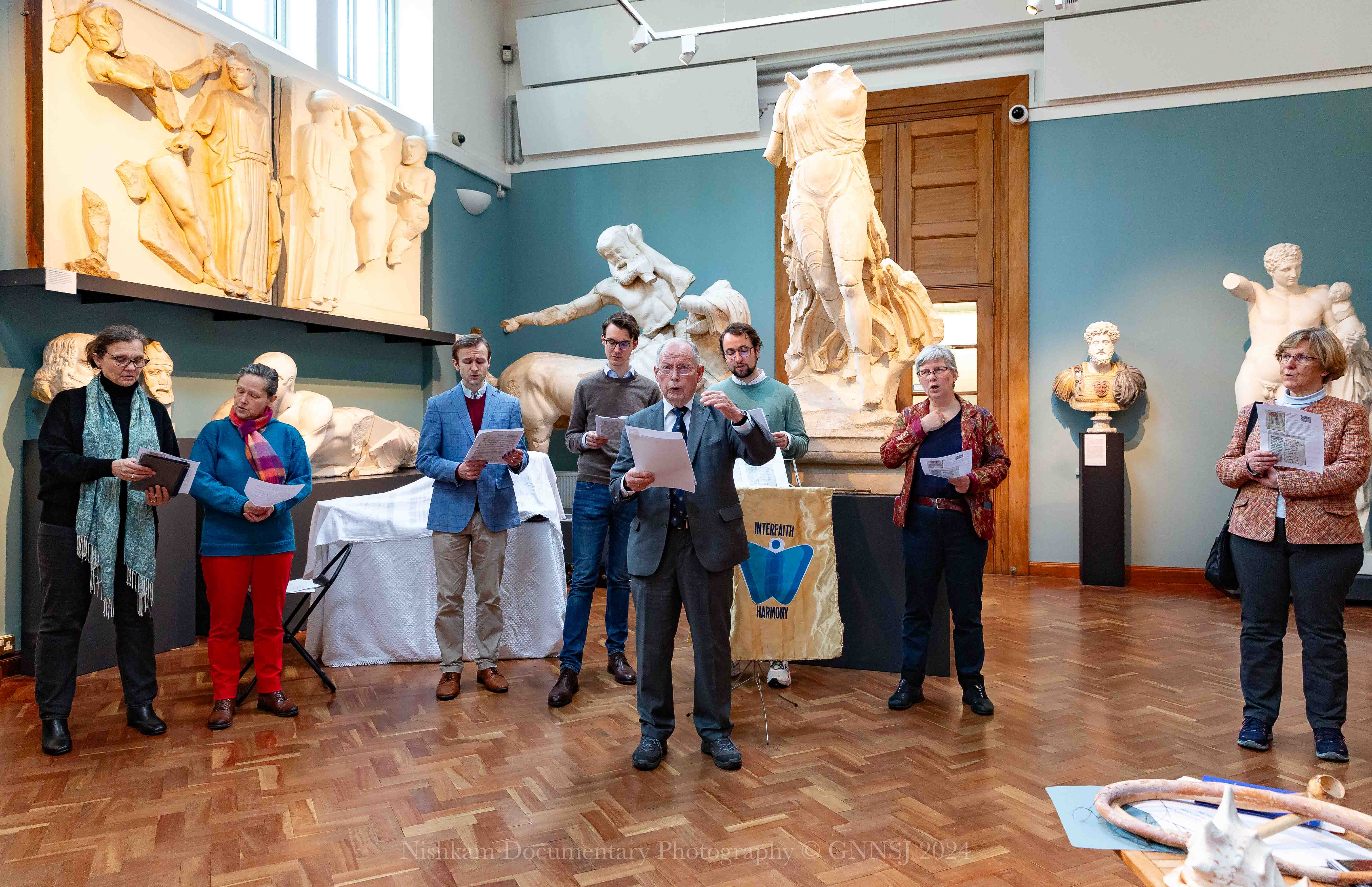
Commencing at the illustrious Ashmolean Museum, attendees enjoyed a mesmerizing journey through time and language during the ‘Singing Together, Across Languages and Time‘ event. Enchanting performances of medieval Hebrew, Greek, Latin, and German religious manuscripts, curated from the venerable Bodleian Library, set the stage for a celebration of shared humanity.

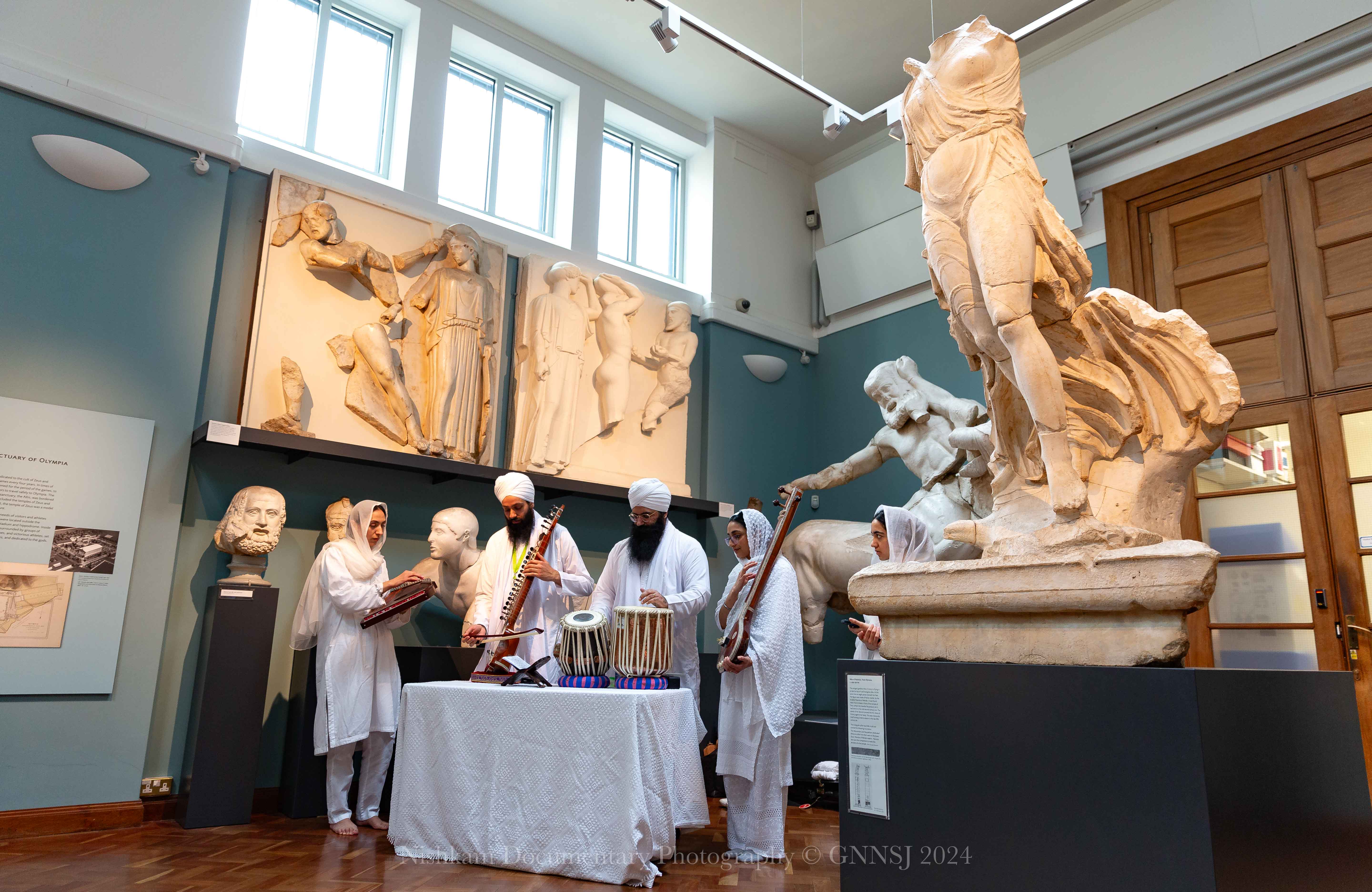
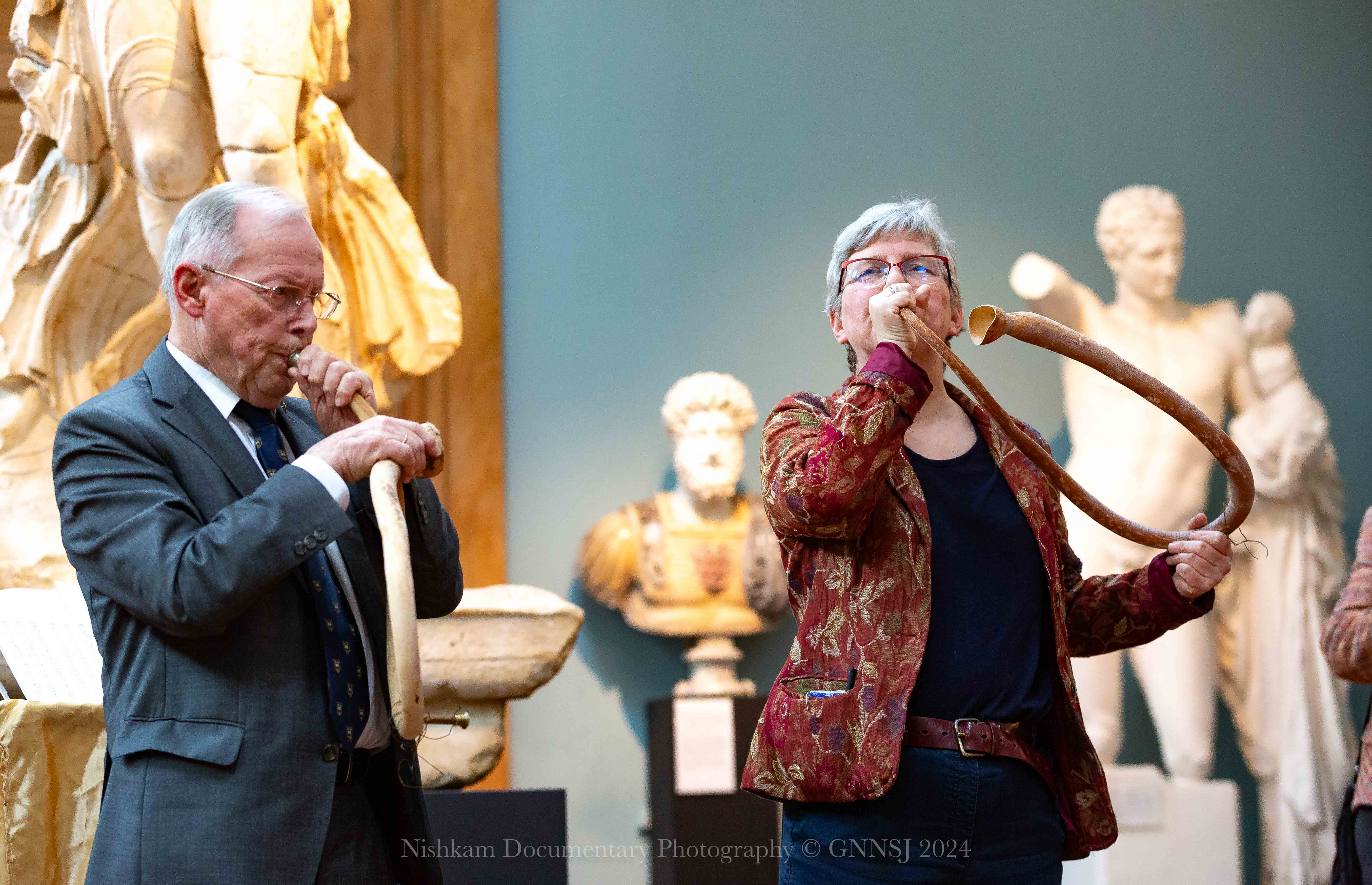
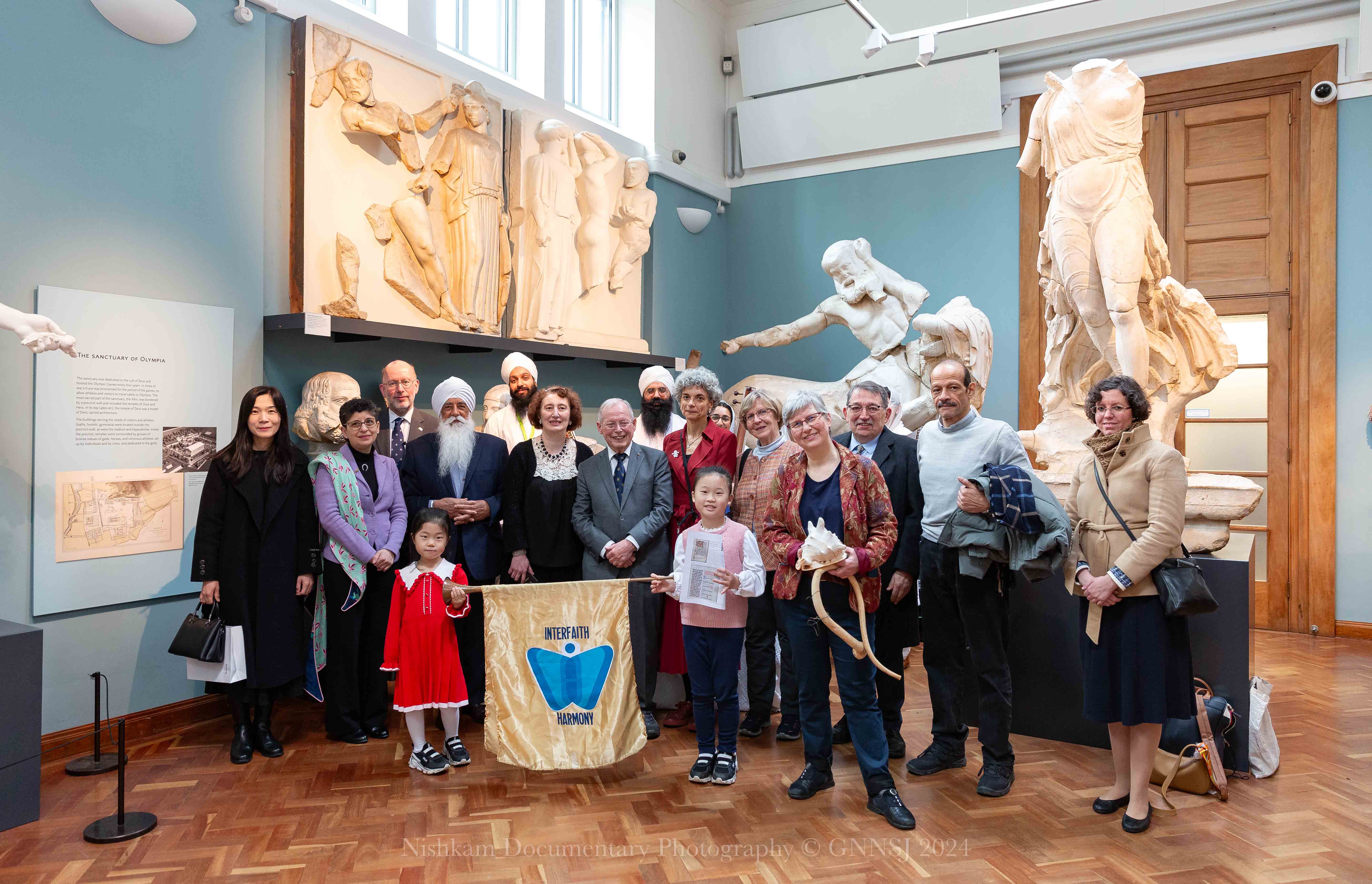
Additionally, Sikhs were invited to present ‘Raag Kirtan’, traditional Sikh devotional hymns, amidst the breathtaking halls of the Ashmolean. This fusion of musical expressions fostered an extraordinary interfaith dialogue within an immersive and culturally enriching environment. For most visitors, it was once in a lifetime opportunity to see and hear rare musical instruments – a shell horn and seaweed horn – alongside Shofar and French horn. Professor Henrike Lähnemann, Secretary of the Oxford Interfaith Forum, presented and played all those instruments together with her father Professor Johaness Lähnemann who arrived from Germany specifically for this occasion.

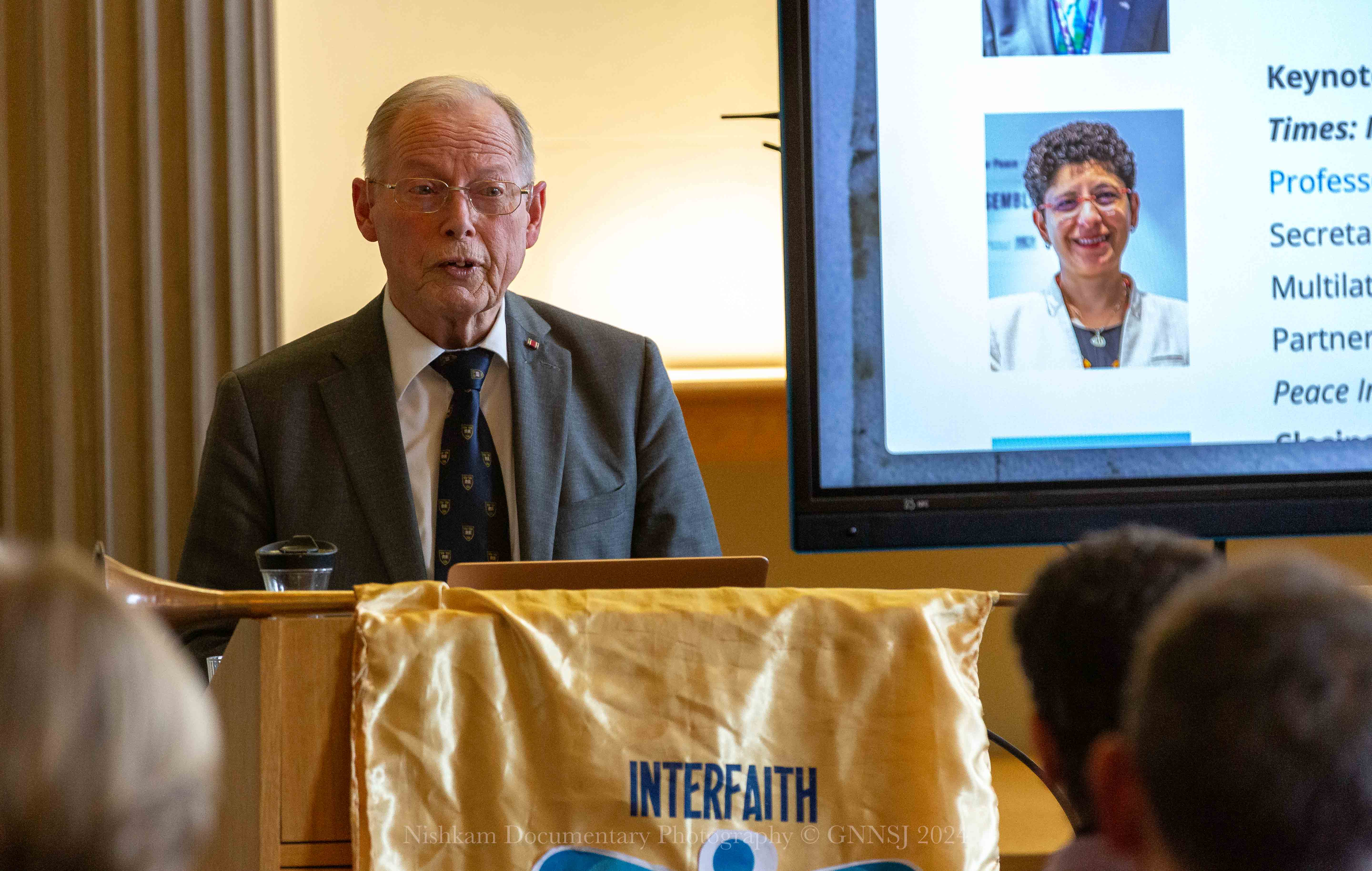
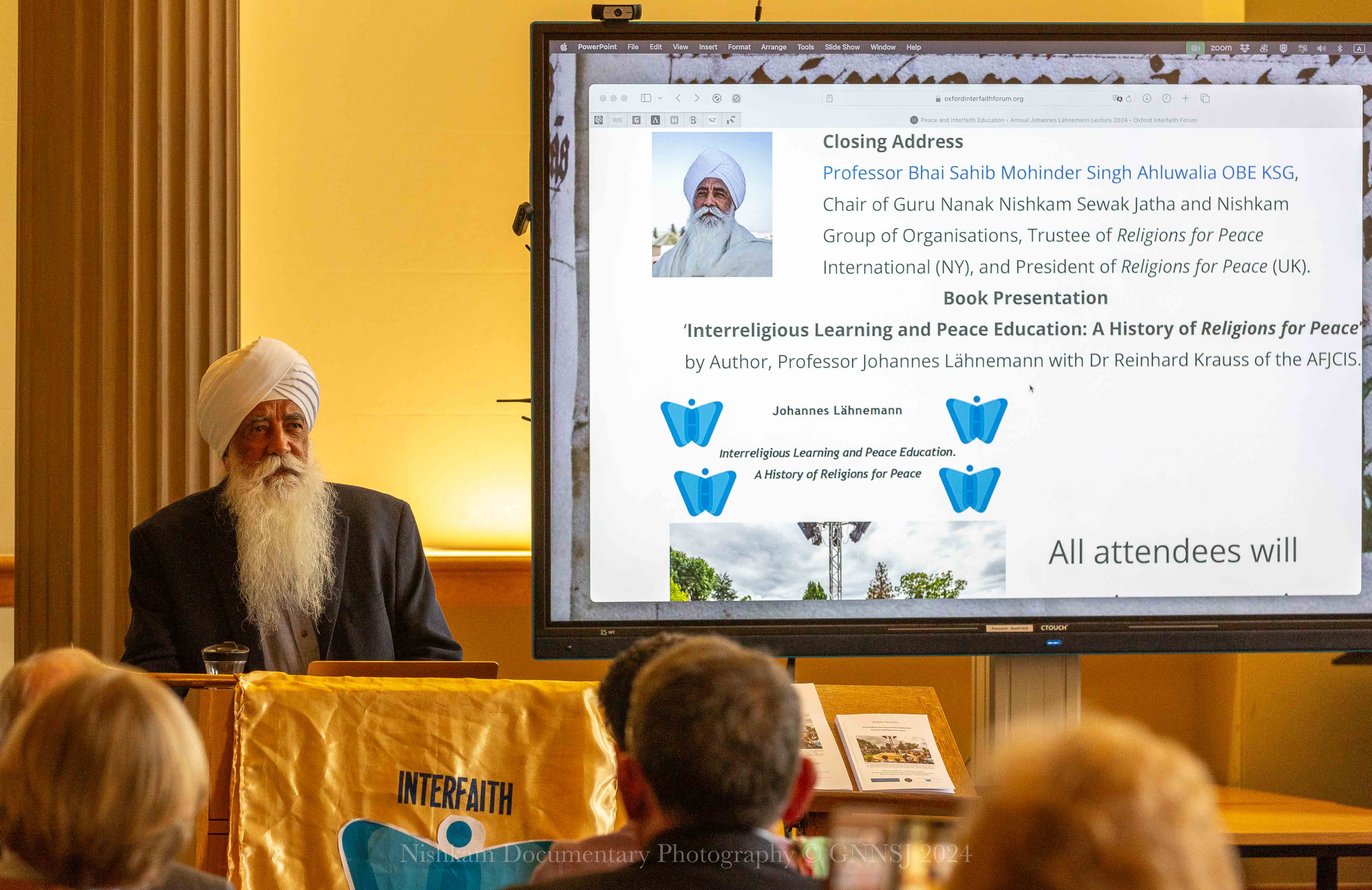
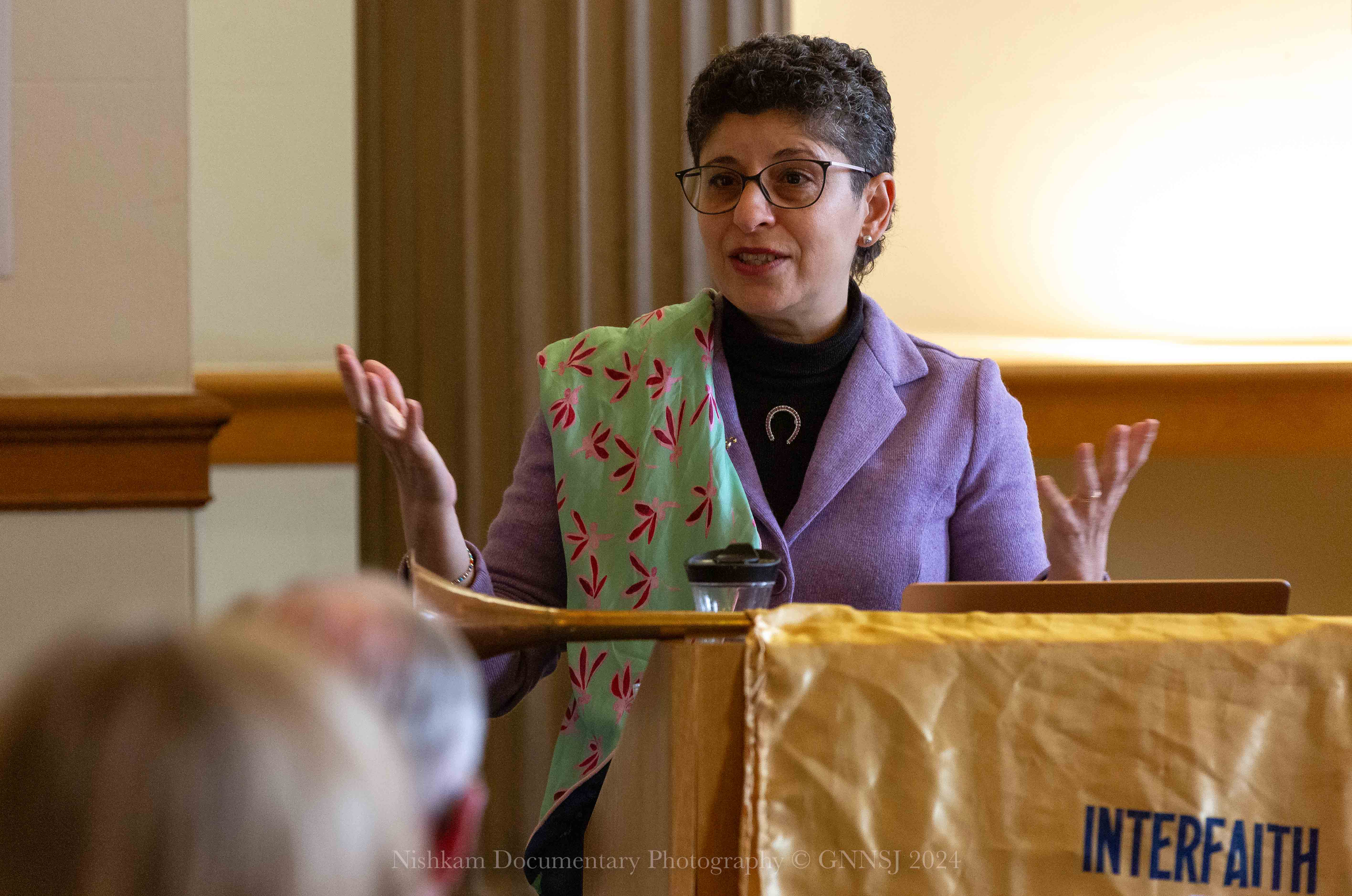
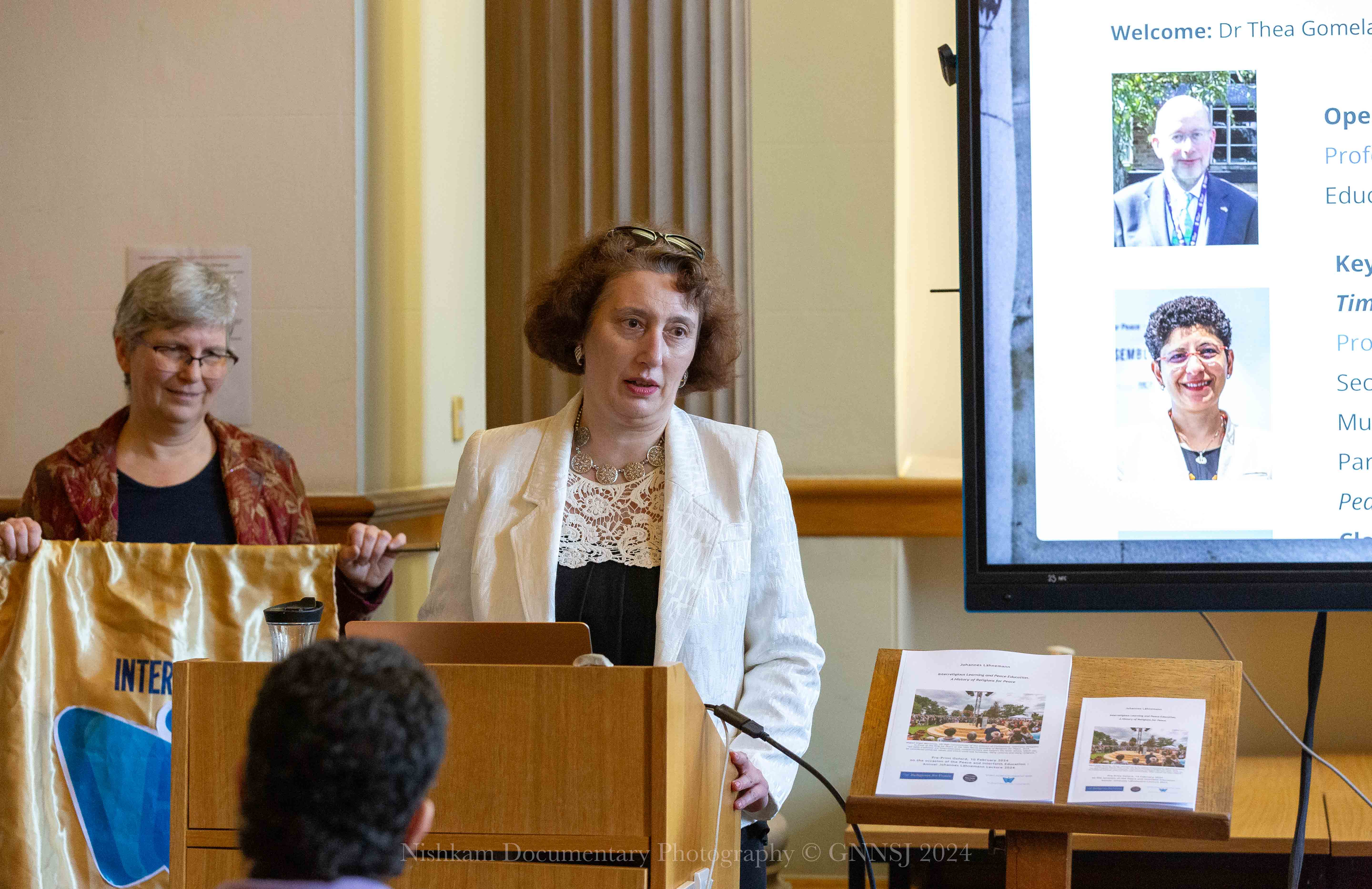
The WIHW celebrations continued with the Annual Johaness Lähnemann Interfaith Peacebuilding Lecture at the Taylor Institution Library, with the opening address by Professor Julian Stern, Director of the World Religions and Education Research Unit at Bishop Grosseteste University, and General Secretary of the International Seminar on Religious Education and Values (ISREV). Professor Azza Karam, the immediate past General Secretary at Religions for Peace International (NY), delivered a thought-provoking keynote lecture on Building Effective Resilience in Troubled Times: Interfaith Women Peacebuilders, followed by a closing address from the esteemed Professor Bhai Sahib Bhai Mohinder Singh OBE KSG, Chair of Guru Nanak Nishkam Sewak Jatha and Nishkam Group of Organisations, Trustee of Religions for Peace International (NY), and President of Religions for Peace (UK). The lecture concluded with a presentation of the book ‘Interreligious Learning and Peace Education: A History of Religions for Peace’ written by Professor Johannes Lähnemann. All attendees were gifted with a pre-print copy of the book.

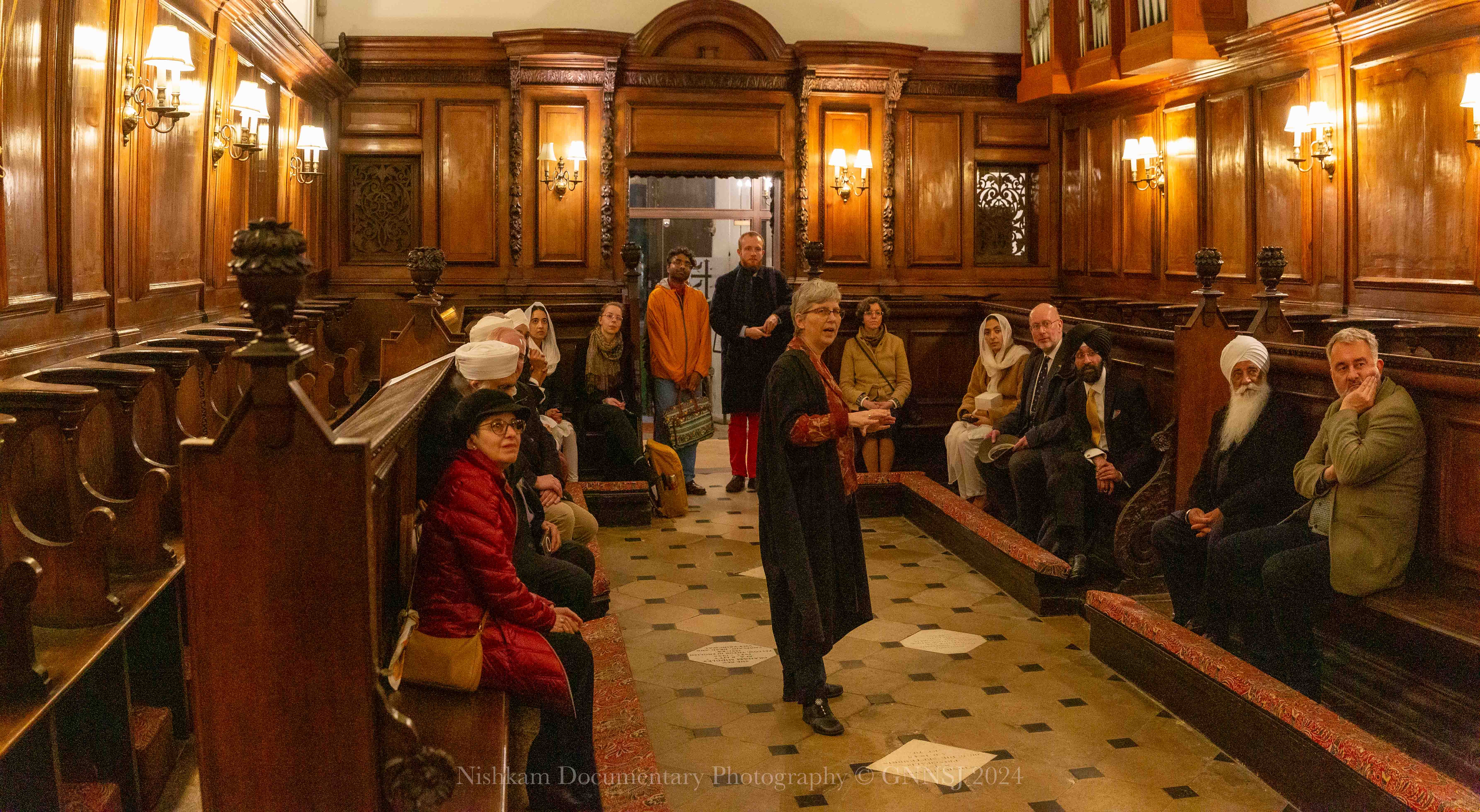
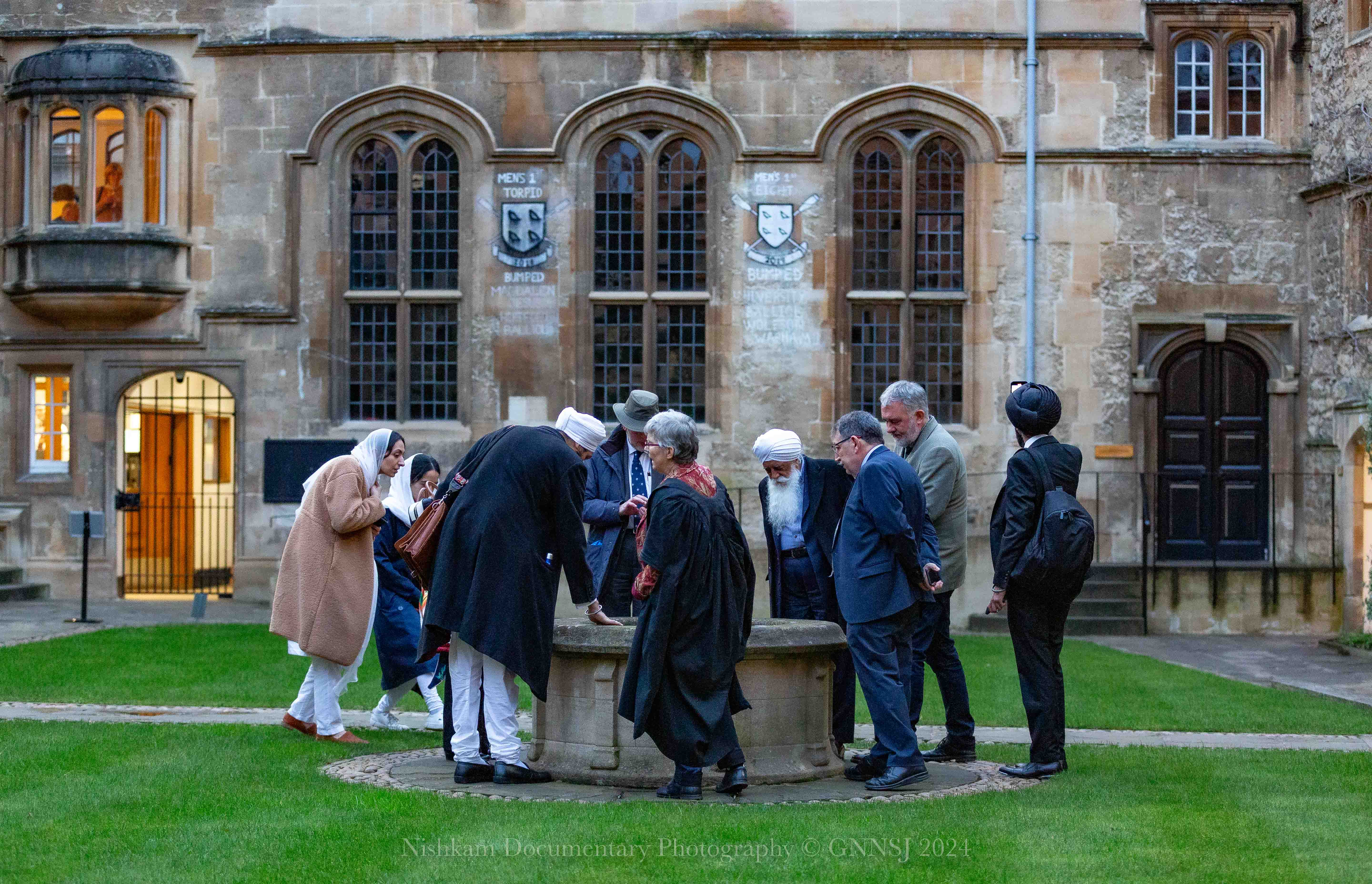
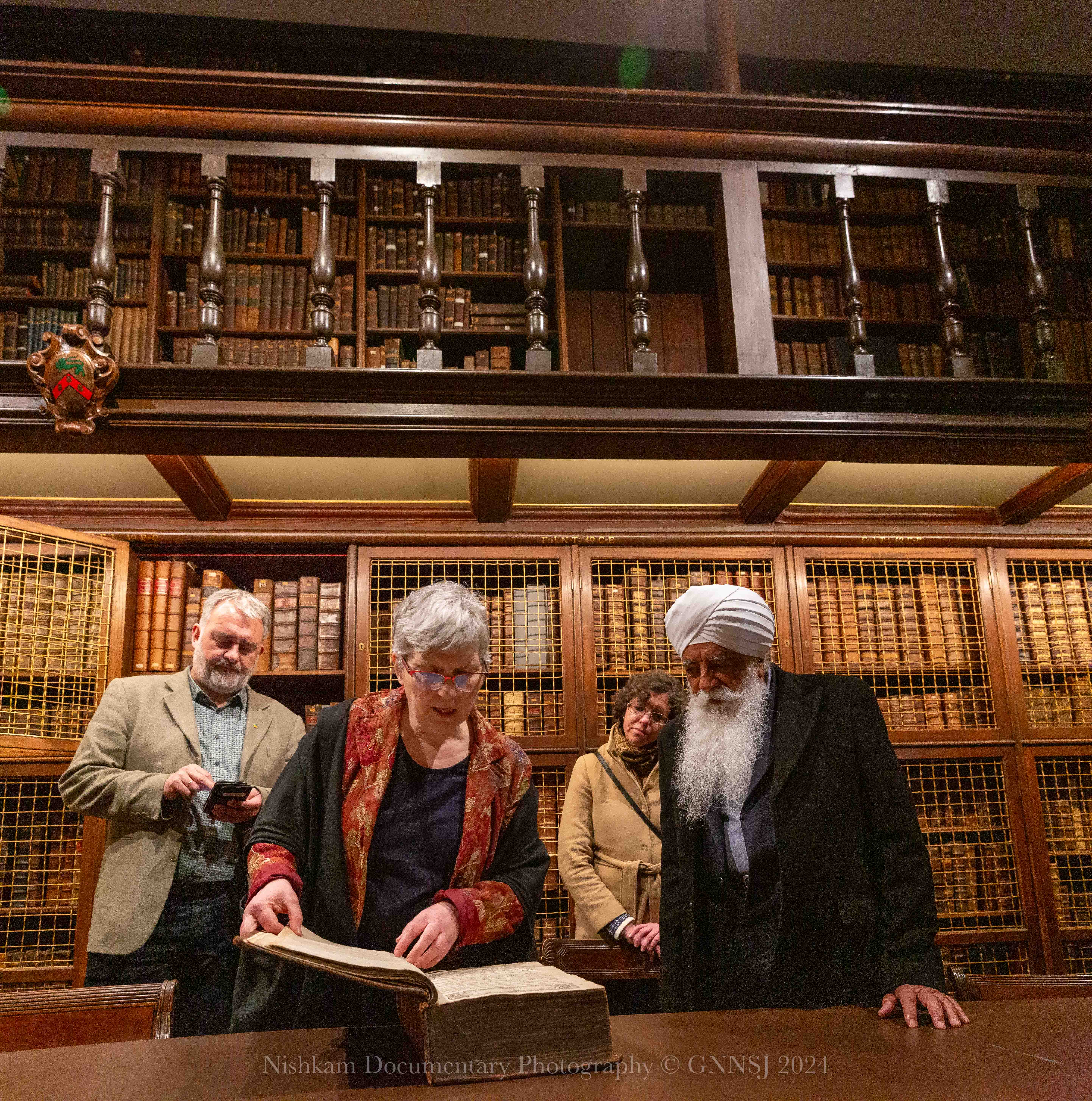
After the lecture, interfaith engagement continued in St Edmund Hall, where all participants were invited to afternoon tea at the Principals’ lodgings (the hospitality of Professor Henrike Lähnemann), with profound discussions amidst the backdrop of Oxford’s storied past. After tea, our host invited us to the enlightening tour of St Edmund Hall which offered fascinating glimpses into the rich history and heritage of Teddy Hall, including its Old Library, historic well, and Chapel built by Stephen Penton in the late 17th century.

This highly enjoyable interfaith educational opportunity was made possible thanks to the Oxford Interfaith Forum and its inaugural director Dr Thea Gomelauri, an associated member of the Faculty of Asian and Middle Eastern Studies at the University of Oxford.  

Speaking about the event, Dr Thea Gomelauri said: “The Oxford Interfaith Forum was awarded the UN World Interfaith Harmony Week Award in 2023. As the recipients of this prestigious award, we wanted to organise large-scale celebrations focused on Peace and Interfaith Education because, in our times, Peace is the most needed commodity. Harmonious coexistence requires the cultivation of eternal values – respect for others and humility. Interfaith education plays a crucial role in teaching and exercising these values. We were honoured to have collaborated with the Ashmolean Museum’s One World Festival and Taylorian Institute Library to bring all the activities together. It was a special privilege to share the space and time with our esteemed Sikh colleagues.

“I would like to use this opportunity to express our gratitude to everyone who participated in our event. I have a distinct honour to mention our generous contributors. As a sign of our appreciation for your support, we created a Wall of Honour featuring our contributors. We invite every reader of this news to join us next year and to add their names to the Oxford Interfaith Forum’s Wall of Honour.”

ENDS

Baroness Scott Explores Sikh Faith and Charitable Initiatives at Gurdwara and Nishkam Campus

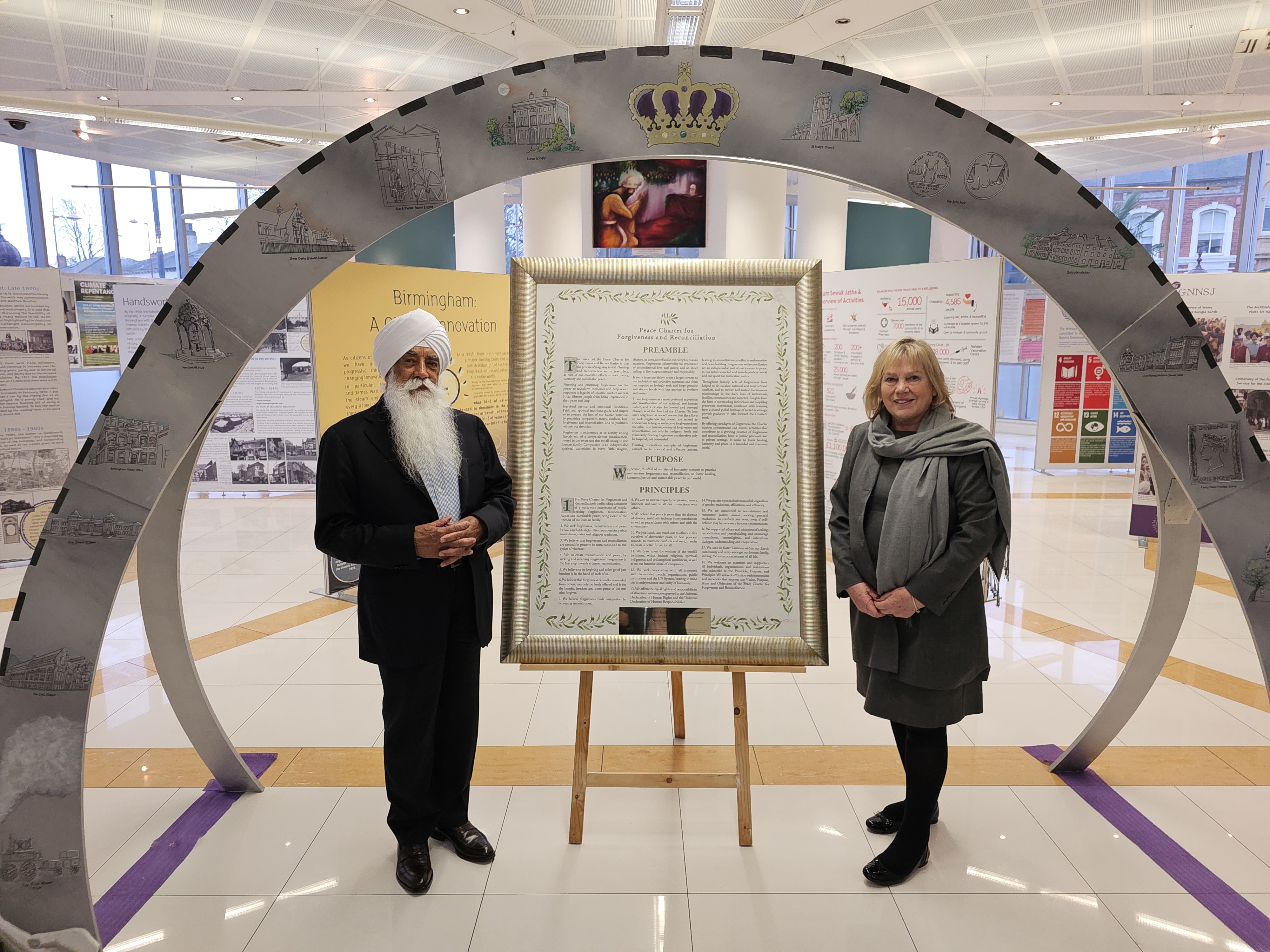
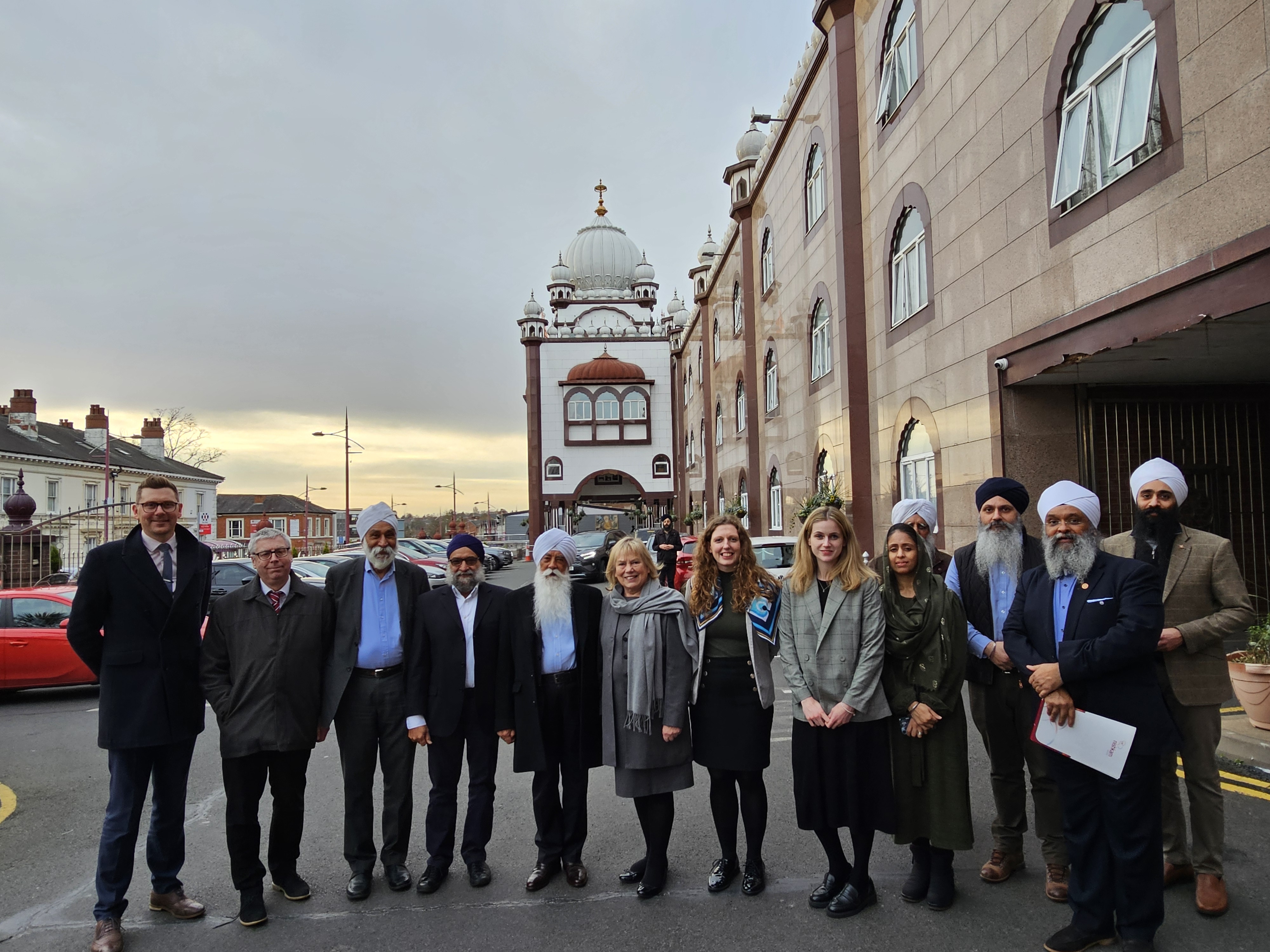
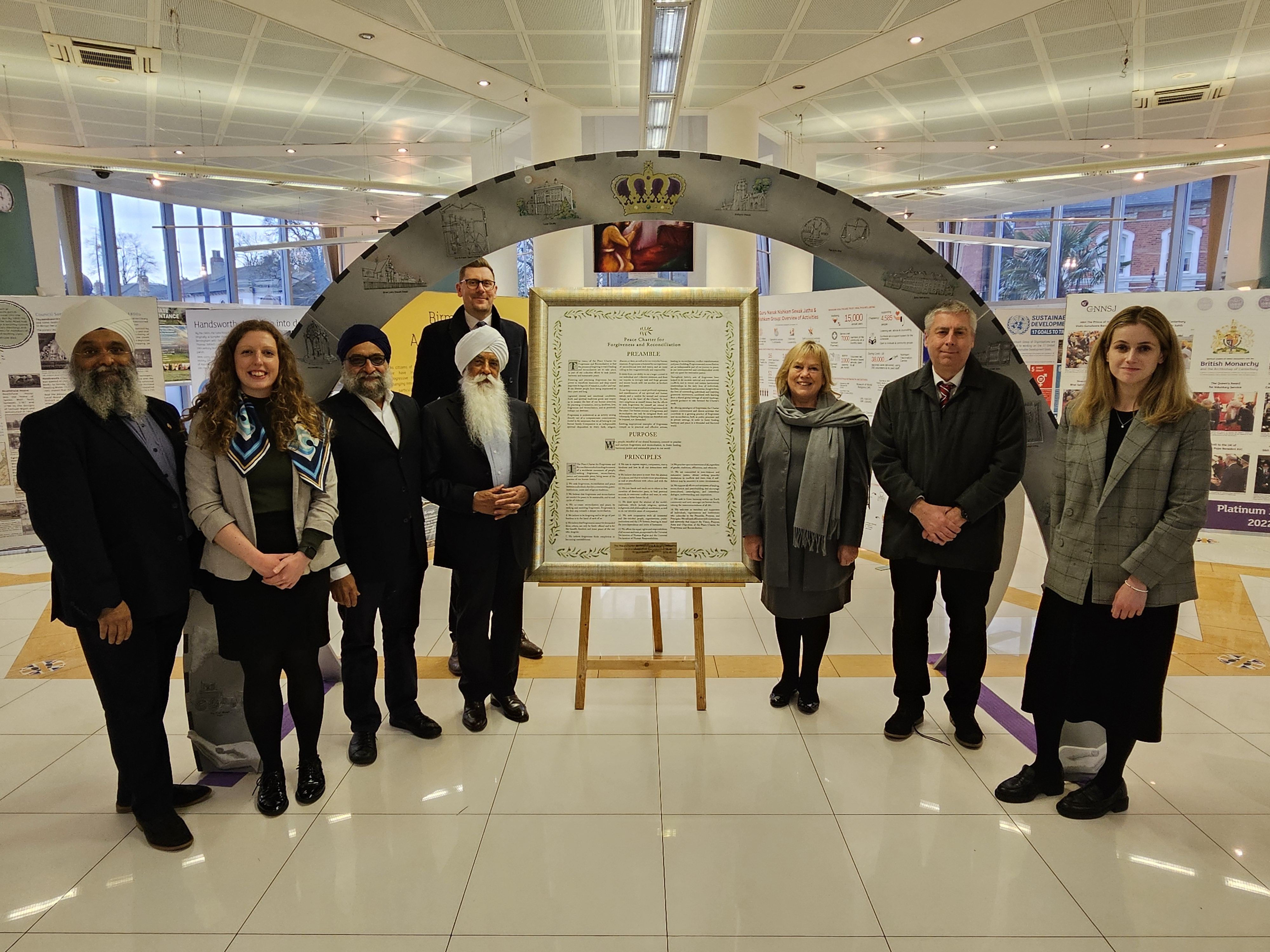
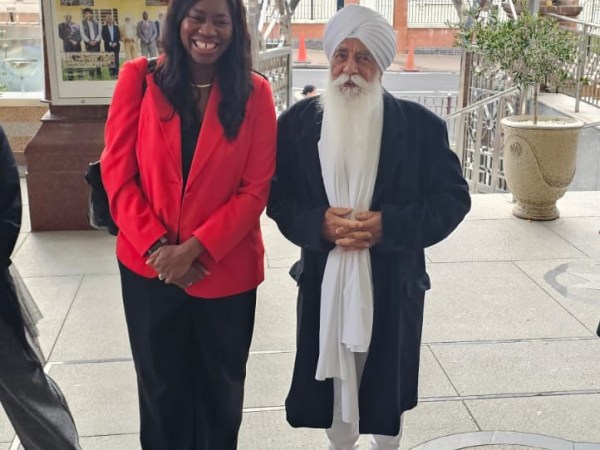
Baroness Scott of Bybrook, OBE, Parliamentary Under-Secretary of State for Social Housing and Faith, embarked on a significant visit to a Sikh Gurudwara and the Nishkam Campus on February 1, 2024. The visit aimed to deepen her understanding of Sikhism and to explore the impactful work carried out by Guru Nanak Nishkam Sewak Jatha (GNNSJ), MSS, Nishkam Schools, Nishkam Healthcare Trust, and Nishkam Civic Association.

Baroness Scott, a distinguished figure in UK politics, played a pivotal role in steering key government Bills during the 2022-23 Parliamentary session, including the Levelling-up and Regeneration Act 2023, and the Social Housing (Regulation) Act 2023. As the Government spokesperson on several successful Private Members’ Bills, she has shown a commitment to legislative initiatives that promote societal well-being.

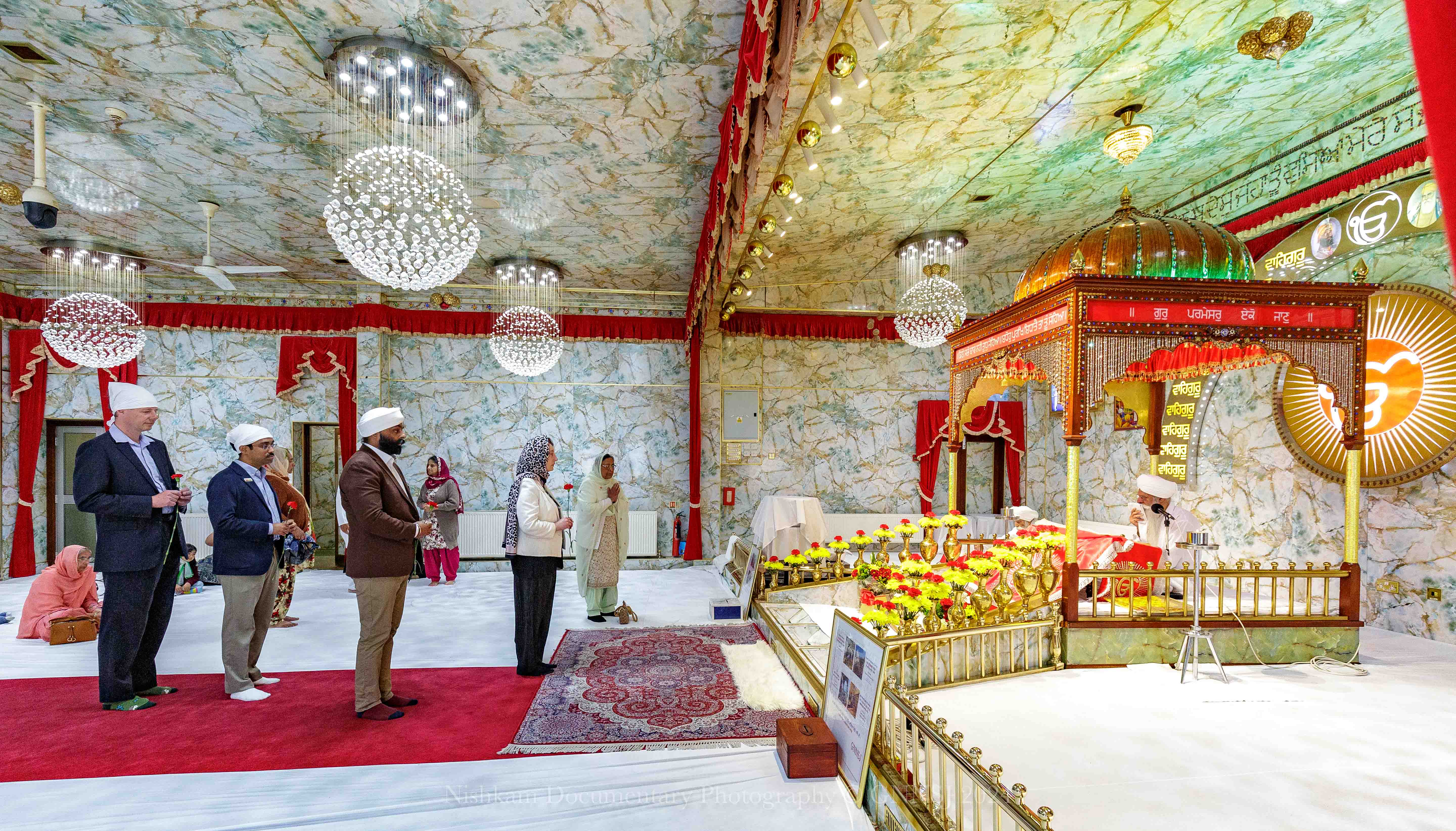
Expressing a specific interest in Sikh culture and community service, Baroness Scott commenced her visit at the Gurudwara, where she paid obeisance to Guru Granth Sahib Ji, the Sikh holy scripture. The spiritual leader of GNNSJ and founder of the Nishkam group of charities, Bhai Sahib Professor Mohinder Singh, hosted the Baroness during her tour of the Nishkam Campus.

The visit included stops at MSS (Community Cooperative); the Pharmacy and Healthcare Centre (including the new Elderly Support Apartments); and the Nishkam Primary School. Baroness Scott engaged with the teams behind these initiatives, gaining valuable insights into their contributions to regeneration, healthcare services, community engagement and education.

The visit culminated at the Nishkam Civic Association, where Baroness Scott had the opportunity to delve into the organisation’s work in Handsworth, other regions of England, Kenya, and India. Discussions covered a range of topics, from community development to global outreach, the Peace Charter for Forgiveness and Reconciliation, showcasing the extensive impact of the Nishkam group’s charitable endeavours.

Baroness Scott commended the commitment of the Nishkam group in fostering community well-being and expressed her gratitude for the warm reception during the visit. This experience is expected to further inform her role in advocating for faith-based initiatives and social housing in the UK.

Ends

About Baroness Scott of Bybrook, OBE:

Baroness Scott of Bybrook, OBE, currently serves as the Parliamentary Under-Secretary of State for Social Housing and Faith. With a notable career in politics, she has been at the forefront of crucial legislative initiatives, demonstrating a commitment to social welfare and community development.

About Guru Nanak Nishkam Sewak Jatha (GNNSJ) and Nishkam Group of Charities:

Guru Nanak Nishkam Sewak Jatha (GNNSJ) is a prominent Sikh organization dedicated to selfless service and community development. The Nishkam Group of Charities encompasses various initiatives, including MSS, educational institutions, healthcare trusts, and civic associations, working towards fostering well-being in local and global communities.